January Wellness Challenge: Reset and Declutter Space and Mind
January feels like a clean slate. Let’s be real, resolutions often fade when life gets busy. The fix is action you can keep up with, not a giant overhaul.
This January Wellness Challenge is a simple 31-day plan for women to reset. We’ll clear physical clutter and the mental noise that comes with it, one small task at a time.
You’ll learn how to make space for self-care, gain more calm and focus, and feel real joy in your daily routine. This post shares the benefits, easy tips, and motivation ideas, with real-life examples made for busy women who want balance without the stress.

Why a January Declutter Boosts Your Overall Wellness
January brings fresh energy. Use it to clear space you can actually live in. A tidy home and a lighter mind make daily habits easier, like better sleep, healthier meals, and time for yourself. Think of this reset as a small, steady lift for your mood, your body, and your routine.
Physical Benefits of a Clutter-Free Home
A cluttered room traps dust, pet dander, and pollen. Clear surfaces and open floors make it easier to clean, which cuts down on allergens and irritants. If you have asthma or seasonal allergies, less dust means fewer triggers and calmer breathing.
Beyond the physical impact, there is also a stress angle. In one well-known study, women who viewed their homes as cluttered had higher daytime cortisol, the body’s main stress hormone. Lower visual chaos can help your nervous system settle. See the summary in WebMD’s overview on how clutter affects health.
Decluttering also gets you moving. Sorting, lifting bins, and wiping shelves all count as light to moderate activity. Physical activity supports steadier cortisol and better sleep quality over time. A review on cortisol and sleep notes that movement can improve both systems in several ways, which is a win during dark winter weeks when energy dips. You can skim the findings here: The effects of physical activity on cortisol and sleep.

For women, small home edits make healthy choices easier to keep:
- Serene bedroom: Clear nightstands, hide cords, and wash bedding weekly. Fewer visual cues, more calm. This can help you fall asleep faster and wake up less often.
- Streamlined kitchen: Keep a clean counter, a sharp knife, and a produce bowl in view. When it is easy to prep, you cook more at home and rely less on takeout.
- Entry drop zone: Hooks, a catch-all tray, and a hamper for gym gear. Less scrambling, more morning walks and consistent workouts.
Try quick wins that stack up:
- Bag expired pantry items and duplicate gadgets.
- Create a “clean plate” zone on the kitchen counter.
- Empty the floor of your bedroom closet, then vacuum and donate what you no longer wear.
These steps reduce sneaky stress, lower dust, and invite daily movement without a big time sink.
Mental and Emotional Gains from Clearing Your Mind

Mental clutter feels like too many browser tabs open at once. When you let some go, focus returns and anxiety eases. Decluttering tasks give you a sense of control, which supports a calmer mood and better attention. Research ties tidy spaces to less stress and more energy for what matters. For a helpful overview, see The Connection Between Cleanliness and Mental Health.
Start with gentle self-checks:
- Notice attachments: Are you keeping something out of guilt or fear you might need it someday? Name the feeling, then decide if the item supports your current life.
- Set a limit: Keep a small box for sentimental items and honor that boundary.
- Practice a release phrase: “This served me, and now I am passing it on.”
A clearer mind makes daily decisions quicker and lighter. You spend less time hunting for keys or debating outfits and more time on what fills your cup. That extra bandwidth fuels creativity and confidence. Ideas flow when your desk is open, your calendar has white space, and your to-do list fits on one page.
Tie your January challenge to self-care goals:
- Create space for hobbies: A tidy craft drawer means you pick up the project you love, even for 10 minutes.
- Protect family time: Fewer piles on the coffee table means it is easier to sit, talk, and play a game after dinner.
- Build a calm morning: A simple closet and a clear bathroom counter make getting ready quick, which sets a steadier tone for the day.
January is a natural reset, not a pressure cooker. Pick one room, one shelf, or one thought pattern at a time. Each small release gives you more calm, more clarity, and more room for the life you want this year.
Step-by-Step Guide to Declutter Your Space and Mind
This 30-day reset builds momentum with tiny wins. You will rotate between small physical tasks and light mental resets so it never feels heavy. Keep the pace gentle, pause when needed, and celebrate progress, not perfection.
Tackling Your Physical Space Room by Room
Start where you feel the most friction. Closets, entryways, desks, and nightstands are high-impact zones that change your day right away.
Try these quick methods to make decisions easier:
- 5-minute rule: Set a timer and clear one drawer, one shelf, or 10 items. Stop when the timer ends. The point is consistency, not marathons.
- Three-box method: Label boxes or bags keep, donate, trash. Touch each item once, then place it without second-guessing.
- One-in, one-out: If something new enters, choose one item to release.
Room-by-room game plan:
- Closet: Pull only what you wear on weekdays. Everything else waits. Ask, does this fit my life now? Create a small go-to rack with 10 mix-and-match pieces.
- Desk: Clear the surface, keep only a notebook, pen, and laptop. File or scan papers. Create a small inbox tray so future paper has a home.
- Kitchen: Empty one cabinet. Toss expired items, donate duplicates, keep your best tools in reach.
- Bathroom: Check dates on products, corral daily items in one bin, store backups in a labeled box.
- Entry: Hooks for bags, tray for keys, bin for returns. Reduce morning scrambling.
Eco-friendly donation tips:
- Choose charities that reuse, repair, or recycle. See this guide on green decluttering and sustainable donation for what to donate and how to prep items.
- If you prefer pickup, this list of eco-friendly donation pickup ideas can save time and keep items out of landfills.
Extend the reset to your digital space:
- Empty your desktop into one “Sort” folder, then file or delete for 5 minutes daily.
- Unsubscribe from 5 newsletters.
- Archive old photos into yearly folders, delete dupes, and back up to the cloud.
Stay kind to yourself. If you feel rushed, reduce your goal to five items or five minutes. Consistency beats a binge clean that leads to burnout.
Simple Practices to Reset Your Mental Clutter
Clearing your mind takes the same small-steps approach. Choose one practice and tie it to an existing habit, like morning coffee or your evening skincare.
Beginner-friendly tools:
- Daily journaling: Write one page. Try prompts like “What is weighing on me today?” and “What do I need less of?” Keep it messy and honest.
- Breathwork: Inhale for 4, hold for 4, exhale for 6, repeat 8 times. This calms the nervous system and helps you reset in minutes.
- Gratitude list: Note three specific things you appreciate. Reach for details like “sun on my desk” or “my daughter’s laugh.”
- Boundary-setting: Write one gentle boundary for the week. Example: “No phone after 9 p.m.” or “I will say no to extra tasks on Thursdays.”
Make it stick without pressure:
- Pair practices with cues you already do. Journal after coffee. Breathe while the kettle boils. Gratitude at lights-out.
- Keep tools visible. A notebook by your bed, a sticky note with your boundary on your mirror.
- Track wins, not misses. A single minute counts on hard days.
Prompts you can reuse:
- What can wait until next week?
- What drains me, even a little?
- What feels light and worth keeping?
Combining Space and Mind Decluttering for Daily Wins
Pairing a small tidy with a short mental practice helps both stick. It turns routine minutes into quick resets you can actually keep.
Try these hybrids:
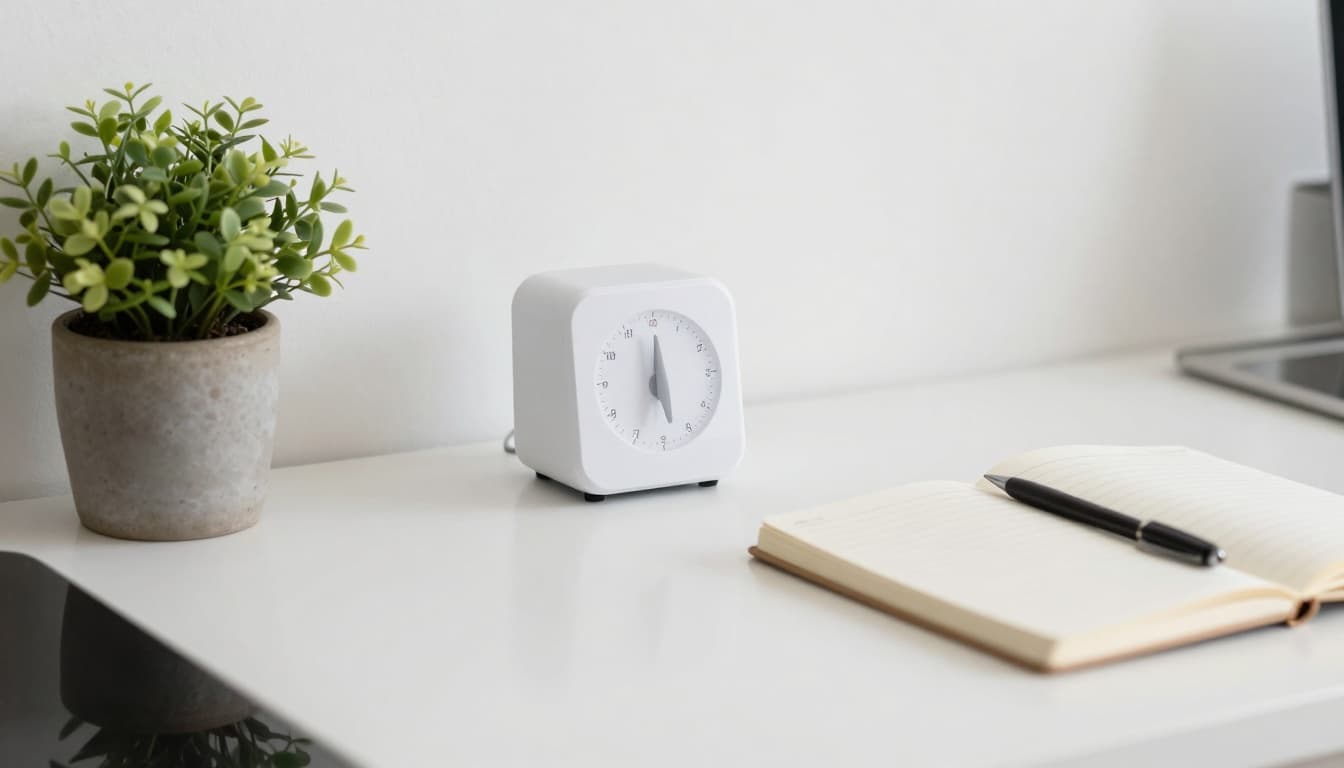
- Meditation + tidying: Set a 5-minute timer. Breathe in for 4, out for 6 while you clear 10 items from your desk.
- Closet edit + mantra: As you sort, repeat, “This served me, now I release it.” It eases guilt and speeds decisions.
- Photo cleanup + reflection: Delete duplicates while you name one memory you want to keep. Save a top 10 album for each year.
- Dishwashing + gratitude: List three small wins while you rinse. Simple, grounding, done.
- Email triage + boundary: Unsubscribe from five lists, then set a rule for when you will check email tomorrow.
Use this 31-day plan to stay steady. Each day takes 10 to 20 minutes. Alternate physical and mental tasks so your energy stays even.
Day-by-day mini plan:
| Day | Task |
|---|---|
| 1 | Clear your nightstand for 5 minutes, then write one intention for January. |
| 2 | Inbox: unsubscribe from 5 emails, breathe 4-4-6 for 2 minutes. |
| 3 | Entryway reset: hooks, tray, returns bin. End with a 3-line gratitude list. |
| 4 | Closet: choose a 10-piece go-to rack. Release 3 items. |
| 5 | Journal: what is one worry I can park for a week? |
| 6 | Kitchen cabinet: toss expired items, donate duplicates. 5 minutes only. |
| 7 | Nature break: 10-minute walk, phone on silent. One sentence journal entry. |
| 8 | Desk surface clear, keep only essentials. End with 5 slow breaths. |
| 9 | Photos: delete 50 duplicates, make a 2023 album. |
| 10 | Bathroom sweep: check dates, corral daily items in one bin. |
| 11 | Gratitude list: 5 tiny things. Stretch for 3 minutes. |
| 12 | Laundry zone: set a hamper plan, fold one load mindfully. |
| 13 | Boundary: write one for the week and share it with someone. |
| 14 | Paper pile: create one inbox tray, recycle 10 papers. |
| 15 | Digital desktop: move all to “Sort,” file for 5 minutes. |
| 16 | Donation day: pack one bag, schedule pickup or drop-off. |
| 17 | Breathwork: 3 rounds of 4-4-6, then journal one line. |
| 18 | Pantry quick check: remove 10 old or unused items. |
| 19 | Calendar clean: cancel one non-essential plan, add one rest block. |
| 20 | Kids’ or hobby zone: tidy for 10 minutes, choose a keep bin. |
| 21 | Self-check: what can I release this week, physically or mentally? |
| 22 | Fridge edit: clear door shelves, wipe, plan two easy meals. |
| 23 | Email rules: set one filter, archive 100 old emails. |
| 24 | Car tidy: remove trash, add a small tote for returns. |
| 25 | Gratitude walk: list three wins out loud while you move. |
| 26 | Linen shelf: keep two sets per bed, donate extras. |
| 27 | Reflection: write 5 sentences on what feels lighter now. |
| 28 | Books and magazines: choose 5 to donate, 5 to keep. |
| 29 | Phone reset: delete unused apps, silence one noisy thread. |
| 30 | Celebrate: take photos of your progress, plan your next tiny step. |
| 31 | Integrate: Sit in a cleared space, reflect on what changed, choose one habit to carry into February. |
Gentle guardrails:
- Keep tasks small. Stop when the timer ends.
- Do not skip rest. If you miss a day, pick up where you left off.
- Avoid guilt. Let your space and mind breathe while you build steady habits.
For more ideas on keeping items out of landfills while you declutter, this guide on eco-friendly decluttering and recycling basics offers simple, practical steps.
Sustain Your Wellness Challenge Beyond January
January got you moving. Now lock in simple habits so your space and mind stay light all year. Think small, regular actions that protect your energy. When you maintain what you built, you free time for what you care about most. The reflection you did on Day 31 becomes your guide for which habits deserve a permanent place in your routine.
Setting Up Routines for Long-Term Clarity
Keep momentum with short, repeatable check-ins. Aim for weekly touch-ups and a monthly mind-check that fits into a busy week.
Try this easy cadence:
- Weekly touch-ups: Pick one 15-minute block. Reset hotspots like the entry, kitchen counter, nightstand, and your desktop. Set a timer and stop when it rings.
- Monthly mind-checks: Book 20 minutes on your calendar. Review what felt heavy, what felt good, and what to release next month. Use three prompts: What helped my energy? What drained it? What one change will I try?
Simple trackers help without adding tech stress:
- Low-tech: A sticky note on the fridge with checkboxes for weekly resets.
- Phone basics: Use your Reminders or Calendar for repeating tasks. Keep it to one list titled “Resets.”
- One planner you actually use: If you like paper, the undated format in The Self-Care Planner by Simple Self makes it easy to log sleep, mood, movement, and wins.
Build a quick refresh loop:
- Sunday: 15-minute home tidy plus a two-line plan for the week.
- Midweek: 5-minute inbox or photo cleanup.
- Month-end: Mind-check and donation bag drop-off or pickup.
Why it matters: small maintenance keeps clutter from spiking, which protects your focus and mood. That steady clarity fuels sustained energy for personal goals like a daily walk, a weekly art night, or a side project.
For extra structure, create a short self-care checklist that covers body, mood, and mind. This guide on building a self-care checklist can help you choose what to track without adding pressure.
Seasonal cues keep things fresh. Use the first day of spring, summer, fall, and winter for a 30-minute reset. Swap coats, refresh your go-to rack, clear expired items, and recheck boundaries.
Overcoming Common Challenges and Staying Motivated
Setbacks happen. You are not starting over, you are starting again. Use kind strategies that meet you where you are.
If emotions make it hard to let go:
- Container rule: Keep sentimental items to one box. When it is full, choose what stays inside.
- Photo keepsake: Take a picture of meaningful items before donating. Keep the memory, not the bulk.
- Future-self test: Ask, would I pack and move this next year? If not, bless and release.
If time is tight:
- Two-minute rule: If it takes two minutes, do it now. Return shoes, file one paper, wipe a shelf.
- Micro-sprints: Three times a day, clear five items. Morning, noon, evening.
- Batching: Group tasks by zone. Entry on Mondays, kitchen on Wednesdays, digital on Fridays.
Motivation fades without rewards. Tie wins to self-care that refills your cup:
- After a 15-minute declutter, take a relaxing bath with a face mask.
- After your monthly mind-check, read a chapter of a novel or watch your favorite show.
- After a donation drop, treat yourself to a quiet coffee or a nature walk.
Make it social to stay consistent:
- Share a before-and-after photo with a close friend every Friday.
- Start a text thread called “Tiny Wins.” Post one line after each reset.
- Host a 20-minute “reset on Zoom” once a month. Cameras on or off, timers set, music optional.
Plan gentle guardrails for dips:
- Use a restart phrase: “Next right step.” Then do one minute.
- Keep a “parking lot” bin for I-don’t-know-yet items. Revisit at your monthly check.
- When life gets heavy, shrink the goal. One drawer, one email rule, one bag out.
Add seasonal refresh reminders to keep motivation high. At the start of each season, pick one room and one mental habit to tune. You will stay aligned with your current life, not last year’s version of you.
Creating Space That Supports You All Year

The January Wellness Challenge turns small daily choices into a calmer home and a clearer head. One drawer, one inbox rule, or five slow breaths is enough to begin. In the end, what matters most is not how much you cleared, but how supported you feel in your space and your routine.
Day 31 reminds you to pause and notice what shifted. The habits that brought relief and ease are the ones worth carrying forward. Keep it simple. From there, choose one reset to repeat weekly, and let everything else evolve with the season you are in.
Please pin one of these images to your favorite Pinterest board.
This simple share makes a big difference to my blog. Thank you!



Michelle D. Garrett is the founder of Divas With A Purpose.
She focuses on sharing resources for being purposely productive; setting personal and professional goals and achieving them through daily action; and successfully running a business while focusing on your mental health. Michelle is a full-time entrepreneur who specializes in teaching female entrepreneurs how to show up consistently in their business – online and off.