Be Confident in Yourself: Simple Daily Habits for Women

Ever feel that small voice saying you’re not ready, not qualified, or not enough? It sneaks in at work, in tough conversations, and even when you look in the mirror. You’re not alone. Many confident women you admire still face that voice, they just answer it differently.
Here’s the truth: when you build self-confidence, you unlock choices. You speak up in meetings, ask for what you need, and set clear boundaries. You chase the goal, not the doubt. Confidence isn’t magic, it’s a trainable skill built from simple daily habits.
This post shares practical steps tailored for women, so you can start where you are. We’ll use quick mindset shifts, small behavior tweaks, and repeatable routines that fit real life. Think coaching, not perfection. If you want a deeper primer, these steps to building self-confidence are a strong foundation.
Expect a supportive, step-by-step approach that helps you act even when nerves kick in. You’ll learn how to replace harsh self-talk, claim your wins, and practice body language that signals calm and power. You’ll also get scripts for boundaries (because clarity is kind), and a tiny daily ritual to keep momentum.
Up next: morning mindset resets, confidence cues in your body language, boundary scripts that stick, and a simple tracker for tiny wins. Let’s build the habits that help you feel steady, clear, and ready to move. You’ve got this, and we’ll take it one small step at a time.

Quick Confidence Boosters
• Start your day with one positive affirmation
• Track one small win each day
• Practice confident posture and eye contact
• Replace negative thoughts with evidence-based ones
• Celebrate progress, not perfection
What Does True Confidence Look Like for Women?
True self-confidence is believing in your abilities and worth, not pretending to be perfect or louder than others. It shows up in everyday moments, like raising your hand in a meeting, trying a new class, or owning a mistake without spiraling. Confidence is not innate or fixed. It is a skill you build with practice, feedback, and small wins. Start by naming what you do well, then act like those strengths matter. That is how women’s confidence grows, one choice at a time.
Signs You’re Ready to Boost Your Confidence

Noticing the friction is the first step. If any of these feel familiar, you are not alone. Here is why they happen and how they ripple into daily life.
- Avoiding eye contact: This can come from fear of judgment. It signals discomfort and can make you seem unsure, which may limit connection or credibility in key moments.
- Second-guessing decisions: Perfection pressure or past criticism can cause overthinking. You lose time and momentum, and simple choices feel heavy.
- Comparing yourself to others: Social media highlights reels can skew your view. Constant comparison can drain joy and stop you from taking risks that suit your path.
- Downplaying wins: If you brush off praise with “it was nothing,” you teach your brain your work does not count. Over time, this lowers motivation and visibility.
- People-pleasing: Saying yes to avoid conflict feels safe, yet it erodes boundaries and builds quiet resentment.
If you want a deeper overview of warning signs, review this guide to signs of low self-esteem or these causes and coping methods.
Quick exercise (5 minutes):
- Write three strengths you use weekly.
- Note one recent win and what you did to create it.
- Choose one small action today that uses a strength on purpose.
Confidence does not come from being perfect. It grows from showing up, learning, and trying again.
michelle d garrett, divas with a purpose
The Life-Changing Benefits of Embracing Confidence
When you act from grounded belief, doors open. The benefits of confidence for women touch every part of life.
- Career growth: Confident women ask for resources, stretch roles, and negotiate raises. For example, prepare three value points and one market data point, then make a clear ask.
- Stronger relationships: You set boundaries, say what you need, and listen with respect. This builds trust and reduces conflict.
- Improved mental health: Self-trust eases anxiety and reduces rumination. You recover faster after setbacks because you expect yourself to learn.
- Bolder choices: You try new skills, pitch ideas, and handle feedback without shrinking. Progress compounds.
- Authentic presence: Body language aligns with your words, which makes you feel and look steady.
Keep building women’s confidence by tracking small wins, using your strengths daily, and speaking up even when your voice shakes. Confidence grows with action.
5 Simple Daily Habits to Build Lasting Self-Confidence
Confidence grows from what you do every day. These daily habits for self-confidence help women build belief in themselves over time. Start small, keep it simple, and let progress stack. These habits for confident women help you build confidence daily without adding pressure.

1 – Start Your Day with Positive Affirmations
Affirmations are short, positive statements you repeat to counter negative self-talk. With repetition, you train your brain to expect a steadier, kinder story about you. This pattern-building is called neuroplasticity, and studies show self-affirmation activates brain systems tied to self-worth and behavior change. If you want a quick look at the research, see this overview on the science of affirmations.
Try 5 to 7 statements each morning. Say them out loud in the mirror, breathe, and stand tall. Speak slowly and with intent.
- I am capable and strong.
- I trust my voice in every room.
- My ideas are valuable and clear.
- I handle challenges with calm focus.
- I deserve rest, respect, and results.
- I learn fast and finish what I start.
- My presence makes a difference.
Tip: Write your own words. Use “I” statements, present tense, and keep them short. Personalization helps the brain accept them as real.
2 – Set and Celebrate Small Wins to Grow Confidence
Tiny goals build momentum. Choose one clear action per day, like asking one question in a meeting, trying a new hobby class, or sending a brave email. Make it specific, simple, and doable.
- Set a daily goal.
- Track it in a small journal.
- Celebrate with a check mark, a note, or a 30-second happy dance.
Story: Maya felt stuck sharing ideas at work. She set a 2-week plan to speak once per meeting, logged each attempt, and noted how it went. By week two, she spoke twice without notes. Her manager noticed. That visible progress unlocked her next stretch project. Wins invite bigger wins.
3 – Surround Yourself with Uplifting Influences
Your circle shapes your courage. Choose friends, mentors, or online communities that speak life, share resources, and cheer your steps. Limit toxic influences that mock goals, dismiss feelings, or drain energy.
Where to find support:
- Join local women’s empowerment events or professional groups.
- Seek professional mentorship in corporate settings.
- Follow role models who model calm confidence and clear boundaries.
- Read practices from the daily habits of strong women to keep your routine grounded.
Quick filter: Do I feel seen, challenged, and encouraged after time together? Keep what lifts you. Release what dims you.
Overcoming Self-Doubt: Strategies for Confident Living

Self-doubt is sneaky. It borrows old criticism, social pressure, and fear of failure, then plays them on repeat. You can break that loop. Build a confident mindset for women by training your brain to spot unhelpful stories and replace them with clear, grounded truth. Small shifts, practiced daily, help you act with courage even when nerves show up.
4 – Challenge Negative Inner Voices
Start with awareness, not judgment. Your inner critic is loud, but it is not a fact-checker. Use this simple process to overcome self-doubt and create a steadier story.
- Notice
- Name the thought: “I am not qualified.”
- Label the trigger: a mirror moment, a team meeting, a social post.
- Question
- Ask, “What is the evidence for and against this?”
- Check for common thinking traps: all-or-nothing, mind reading, catastrophizing.
- Replace
- Write an evidence-based statement: “I led two projects to completion and earned positive feedback.”
- Add a calm cue: “I can learn what I do not know.”
Examples you may recognize:
- Body image: “My body is wrong” becomes “My body carries me through my life. I fuel it, care for it, and dress it with respect.”
- Career imposter syndrome: “I just got lucky” becomes “I prepared, showed up, and delivered results that matched the goal.”
Try quick journaling prompts to retrain your narrative:
- What did I do today that shows skill or care?
- Where did I handle discomfort better than last time?
- If my best friend had this thought, what would I say to her?
For more ideas on practical thought shifts, this guide on how to overcome self-doubt adds helpful context you can adapt.
5 – Handle Setbacks Without Losing Your Confidence

Setbacks are part of growth. A failed pitch, a missed workout week, or a tense talk does not make you less worthy. Treat each one as data, not a verdict.
Use two core tools:
- Reframing: Move from “I failed” to “I learned what to improve next time.” Name the lesson in one sentence.
- Self-compassion: Speak to yourself like a kind coach. Short and steady: “This is hard. I am learning. I can try again.” A quick read on how to practice it well is here: Overcome Self-Doubt: How to Truly Believe You Are Enough.
A short story: After being passed over for a promotion, Tiana gave herself a week to reset. She listed what went well, noted two skill gaps, and booked a mentoring chat. She then asked for a stretch assignment that matched those gaps. Three months later, she led a cross-team project and presented the results to senior leaders. The original no became a season of growth, which made her confidence sturdier, not shakier.
Keep the long view. Confidence grows when you collect lessons, repeat small improvements, and trust your capacity to recover. You are not behind. You are building.
Conclusion
You started by naming that small, doubting voice, and you learned how confidence grows through clear habits and kinder thoughts. The path is simple and steady: know your strengths, act on them daily, and use practical tools to quiet self-doubt. When you be confident in yourself, you choose your next step with clarity, not fear.
Pick one action now. Say one affirmation, log one tiny win, or use one boundary script. Keep it small, repeat it tomorrow, and let the wins stack. If you want a quick refresher on presence and self-talk, revisit these ideas in Express Yourself with Confidence.
Your voice matters. Your work matters. Thank you for reading and showing up for yourself today. Share your next step or a recent win in the comments, and cheer on another woman who is doing the same. You are building something real, one choice at a time. Keep going.

Frequently Asked Questions About Confidence
Can confidence really be learned?
Yes. Confidence grows through repeated action, positive reinforcement, and supportive habits.
How long does it take to build confidence?
Small changes can begin quickly, but lasting confidence develops through daily practice over time.
What is the fastest way to boost confidence?
Take one small action that moves you outside your comfort zone and acknowledge the win.
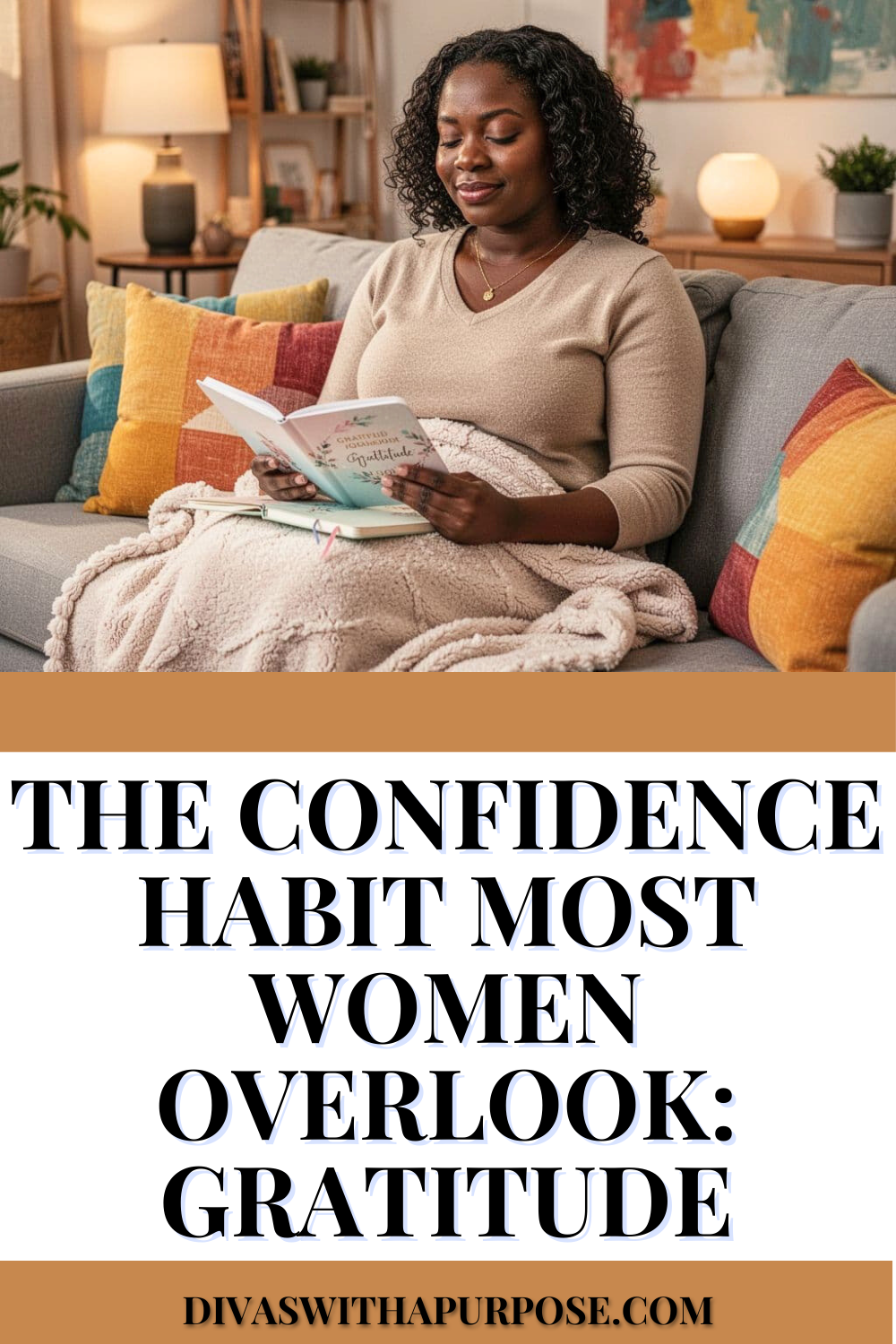
Please pin one of these images to your favorite Pinterest board.
This simple share makes a big difference to my blog. Thank you!


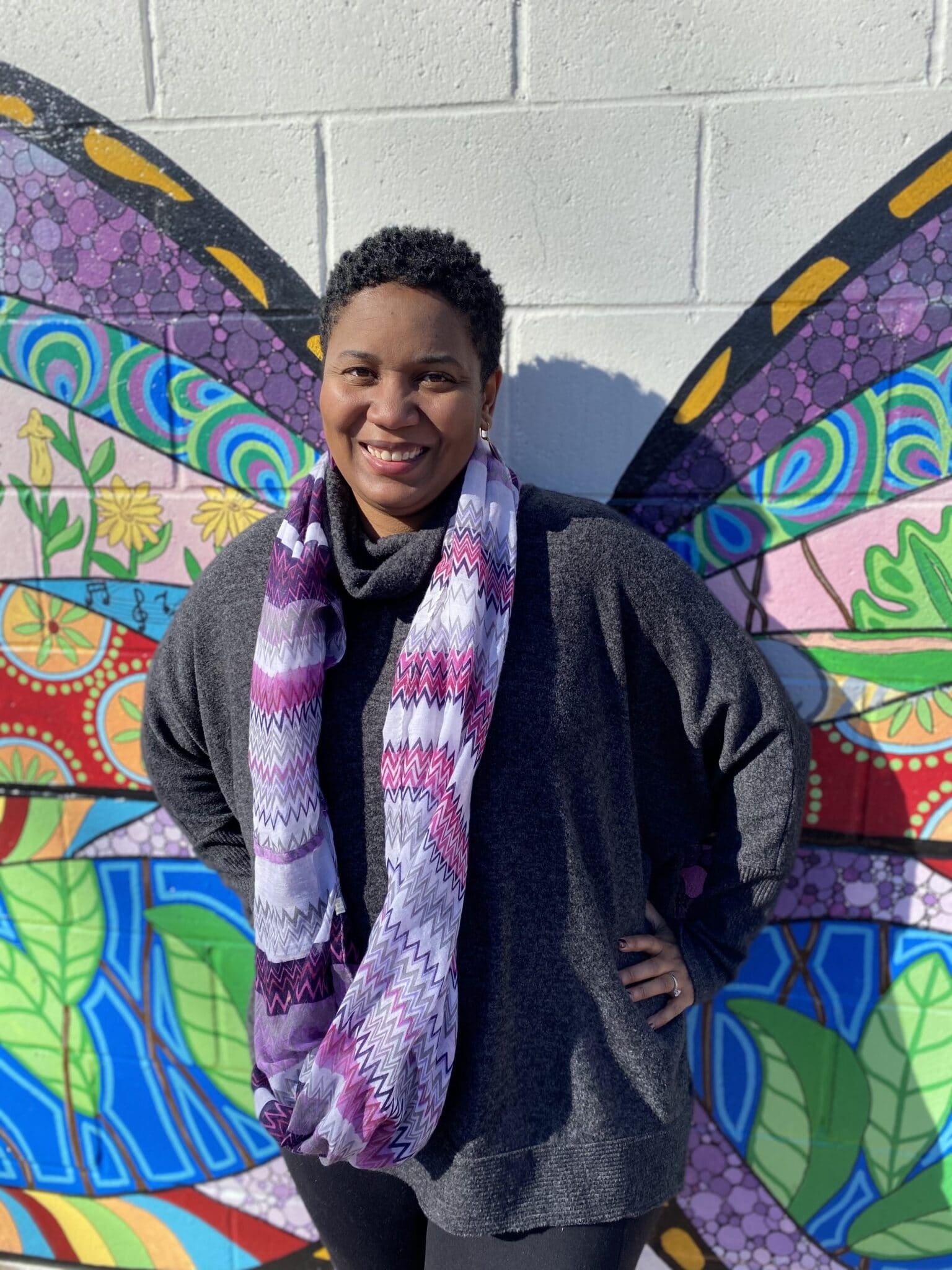
Michelle D. Garrett is the founder of Divas With A Purpose.
She focuses on sharing resources for being purposely productive; setting personal and professional goals and achieving them through daily action; and successfully running a business while focusing on your mental health. Michelle is a full-time entrepreneur who specializes in teaching female entrepreneurs how to show up consistently in their business – online and off.