
From structure to style: This is what dream kitchens are made of
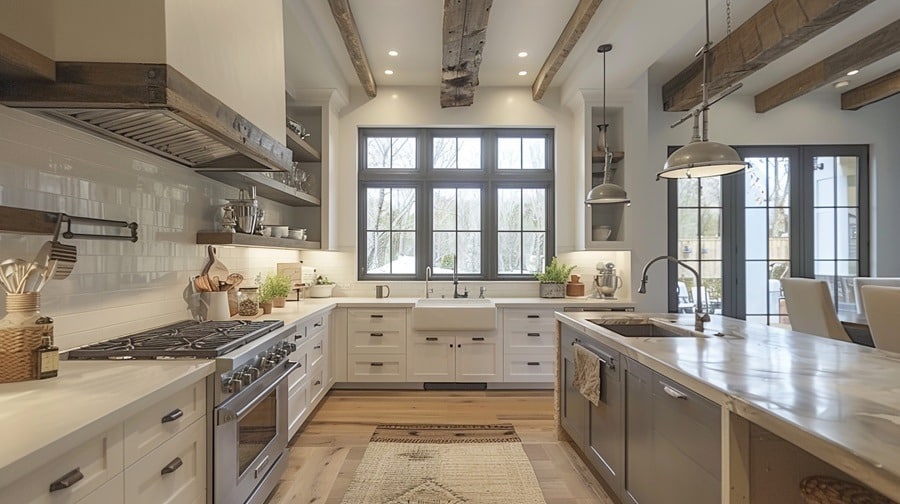
In interior design, as in life, people’s needs and preferences differ, so it comes as no surprise that homeowners take different paths to creating the ideal kitchen. Some are drawn to the sleekness and simplicity of the modern shaker range, while others lean towards industrial-looking kitchens or traditional spaces with rich ornamentation and vintage accents. The concept of a dream kitchen can have as many meanings and be as diverse and varied as the personalities of those who create them.
Unfortunately, when renovating, remodelling, or designing a kitchen from scratch, a lot of homeowners make the mistake of following the latest trends instead of staying true to their own tastes and lifestyle requirements. The influence of social media and the appeal of newness often prompt people to choose what’s fashionable over what’s functional or what would truly support their routines. While trends can certainly serve as a source of inspiration, one should never chase them blindly and let them dictate choices that they’ll have to live with for years.
But here’s a trick that can help you avoid this common pitfall and resist the siren call of fleeting trends: before you begin your kitchen project, make a list with the core design principles and essential features that every kitchen should include, and let these guide your steps instead of perfectly curated Instagram aesthetics and other people’s choices. And that applies to projects everywhere, whether it’s stylish Yorkshire kitchens or more modest remodels.
To make matters even easier, we’ve created that list for you. So, in case you were wondering, a dream kitchen should…
Be Functional
The perfect kitchen should be practical first and foremost. This means having an efficient layout that allows you to move around with ease and make the most of every square inch available. You should arrange the space in a way that enables you to carry on with your daily chores unobstructed and with minimum effort. Consider organizing the kitchen into specific zones and plan with the work triangle in mind. A functional kitchen needs to feel intuitive, with everything positioned where you would expect it to be. The more your layout anticipates your movements, the more enjoyable and effortless your time in the kitchen will be.
Include the Right Appliances
Appliances are a must in any kitchen as they can simplify daily tasks and make your life infinitely easier. But they can also make it more complicated if you don’t know how to choose the right ones. The trick here is to focus on performance, size, energy efficiency, and how well each appliance fits into your daily habits. If you cook frequently, investing in a high-quality range, a reliable oven, and a spacious refrigerator is essential. If you’re not much of a cook and only use your kitchen sparingly, when you have friends over, compact appliances or multifunctional units that save space might be a better option for you.
Be Easy to Clean
A dream kitchen isn’t just about putting nice-looking pieces together. Looks will cease to impress and delight if the space is a nightmare to clean and keep tidy. Surfaces that show every stain and smudge, or materials that attract and retain dirt, can quickly turn even the prettiest kitchen into a source of frustration. That’s why it’s wise to choose low-maintenance materials, at least for the main components. For example, for countertops, quartz, granite, or high-quality laminates are all smart choices as they combine durability with effortless upkeep.
When it comes to cabinetry, consider slab or shaker-style doors and high gloss finishes, as their sleek and streamlined design allows for easy wiping. As for floors, non-porous materials like ceramic tiles, luxury vinyl tiles (LVT), or natural stone tend to be far more forgiving and time-saving.
Offer Enough Storage Space
Storage is one of the most important aspects in kitchen design, but also one where most kitchens tend to fall short. And it’s usually not because of a lack of space but because a lot of people don’t know how to organize it properly or use the right storage solutions. From deep drawers and pull-out shelves to vertical dividers, corner solutions, and pantry cabinets, there are plenty of ways to maximise capacity even when space is limited. The goal is to create a place for everything and try to keep your countertops free of unnecessary items, so your workflow stays smooth. You want your kitchen to offer comfort and convenience, not just functionality, and smart storage can do that for you.
Align With Your Personal LIfestyle
Are you the type of person who loves to cook for friends and hold dinner parties – which inevitably turns the kitchen into a social hub – or are you someone who sees the kitchen more like a coffee stop or a place that doubles as an office? Whatever the case might be, you need to make sure your kitchen supports your personal needs.
A kitchen designed for entertaining may include an island with seating, open shelving for display, or a layout that encourages conversation. Meanwhile, a more utilitarian kitchen might prioritise ample prep space, quiet appliances, or a layout optimised for speed. When the kitchen supports your lifestyle through every element, from lighting to layout, it becomes more than just a room and turns into a natural extension of your routines.
Meet Your Design Vision
Beyond function, your kitchen should feel like a space that genuinely represents your taste. Whether you prefer bold colours, minimalist lines, or vintage charm, your design choices should reflect these preferences and serve as a canvas for you to express your personality. Don’t shy away from mixing textures, finishes, or styles if that helps you create a space that feels layered and personal. A cohesive design doesn’t require uniformity—it simply requires intention. By making decisions based on your own aesthetic preferences instead of trends, you can create a kitchen that feels timeless, welcoming, and truly yours.
Stand the Test of Time
You can only tell how sturdy and long-lasting a kitchen truly is in time, as you use the space and everything inside it. But you can certainly enhance your kitchen’s lifespan and make sure it still looks good after many years of use by investing in quality materials and craftsmanship, and choosing a timeless colour palette and style from the start.
While everyone has different needs and preferences in terms of interior design, focusing on these principles can get you closer to achieving the kitchen of your dreams, no matter the form, colour, or shape it comes in.