
From Overwhelmed to Organized: Planning Balanced Weekly Meals With Intention
Between work, family responsibilities, and personal commitments, dinner can quickly become another item on an already packed to-do list. Too often, that pressure leads to last-minute takeout, repetitive meals, or skipped plans altogether.
Planning balanced weekly meals with intention offers a different path. It shifts food from a daily stressor to a steady rhythm in your home. With a thoughtful approach, you can reduce decision fatigue, nourish your family well, and reclaim time during the week. The goal is to maintain clarity, consistency, and peace around the table.
Start With a Clear Weekly Framework
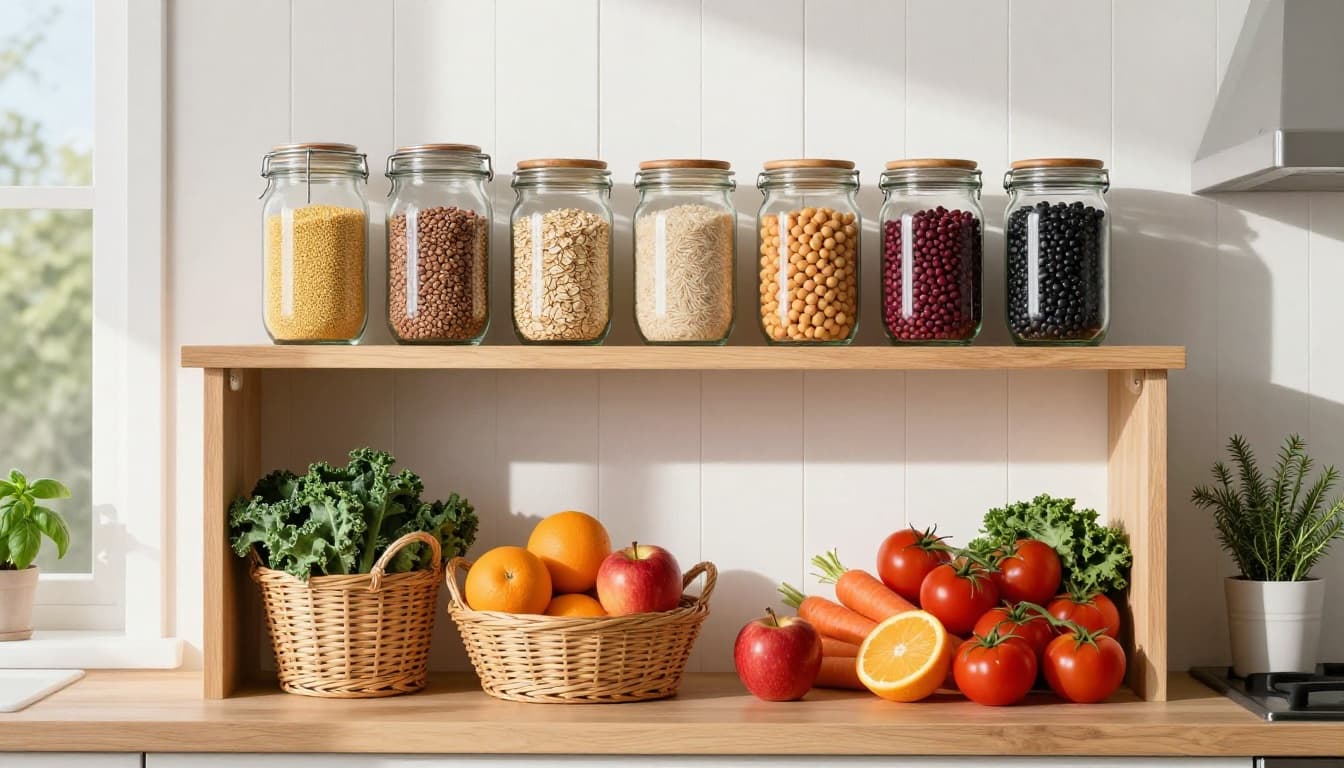
Before choosing recipes or writing a shopping list, step back and look at your week as a whole. Consider your schedule realistically. Which evenings are busiest? When do you have more time to cook? Are there evenings when leftovers would be helpful?
Create a simple structure that fits your lifestyle. For example, you might designate:
- One slow-cooker or hands-off meal
- One quick 30-minute dinner
- One leftover night
- One meatless option
- One family favorite
This type of framework reduces overwhelm by eliminating the need to start from scratch each week. Instead of wondering, “What should we eat?” you’re filling in categories. That small shift eliminates unnecessary mental load and helps you stay consistent.
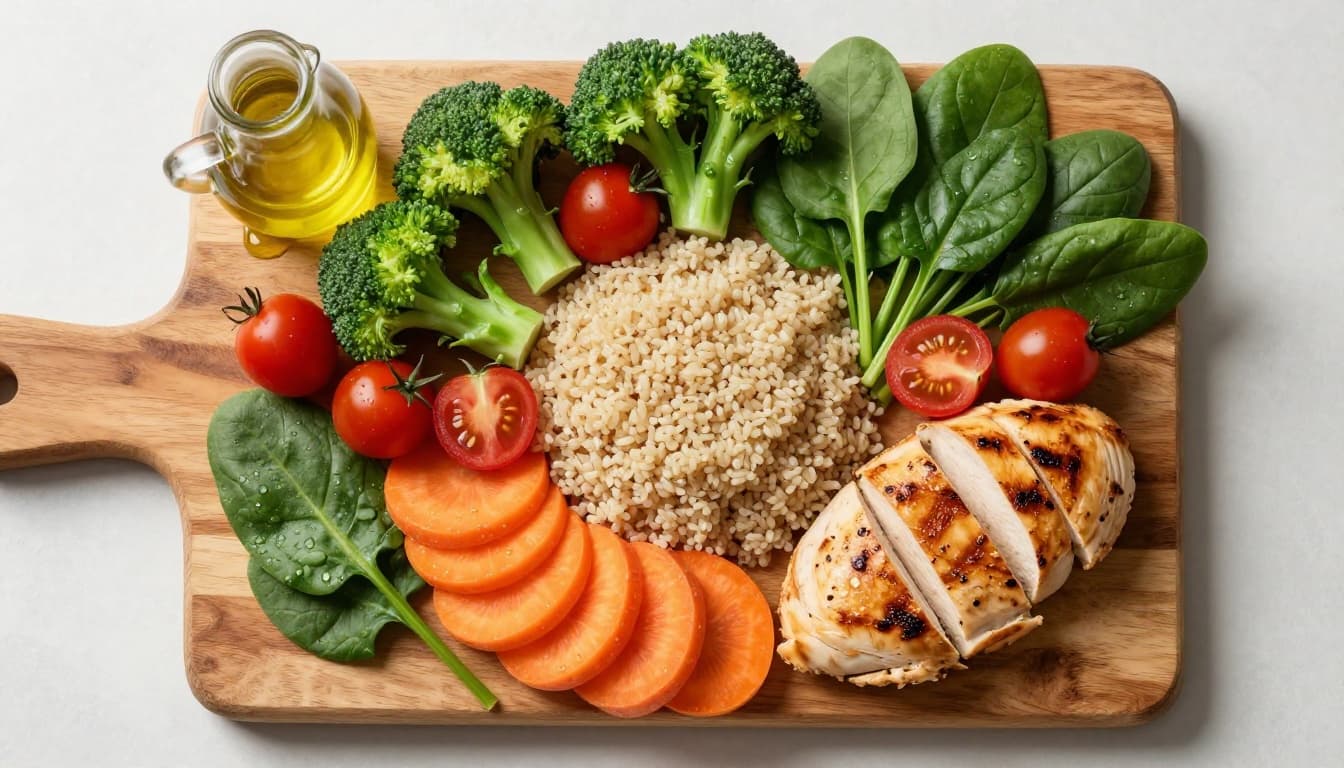
Balanced meal planning also becomes easier when you think in components rather than complicated recipes. Aim to include:
- A quality protein
- A variety of vegetables
- A whole grain or satisfying carbohydrate
- A healthy fat
This formula keeps meals simple while still nourishing.
Build Meals Around Quality Protein Sources
Protein often anchors a balanced meal. Choosing it first makes planning more straightforward because the rest of the dish can be built around it.
When selecting chicken, for example, many home cooks look for responsibly sourced options that support both health and ethical farming practices. That’s where brands like Organic Butchery come in. They offer reliable access to high-quality organic chicken, allowing you to design meals with confidence, knowing the foundation of your dish meets your standards. When your protein choice is settled, the rest of the meal falls into place more easily.
If you’re planning multiple dinners around chicken, consider variety in preparation rather than constantly searching for new proteins. Roast a whole bird early in the week and use leftovers in salads, wraps, or soups. Grill the marinated pieces for a lighter meal, and repurpose any extras into grain bowls the next day.
Intentional planning at this stage prevents midweek grocery runs and impulse purchases. It also encourages you to cook once and use ingredients multiple times, saving both time and effort.
Create a Realistic Prep Routine
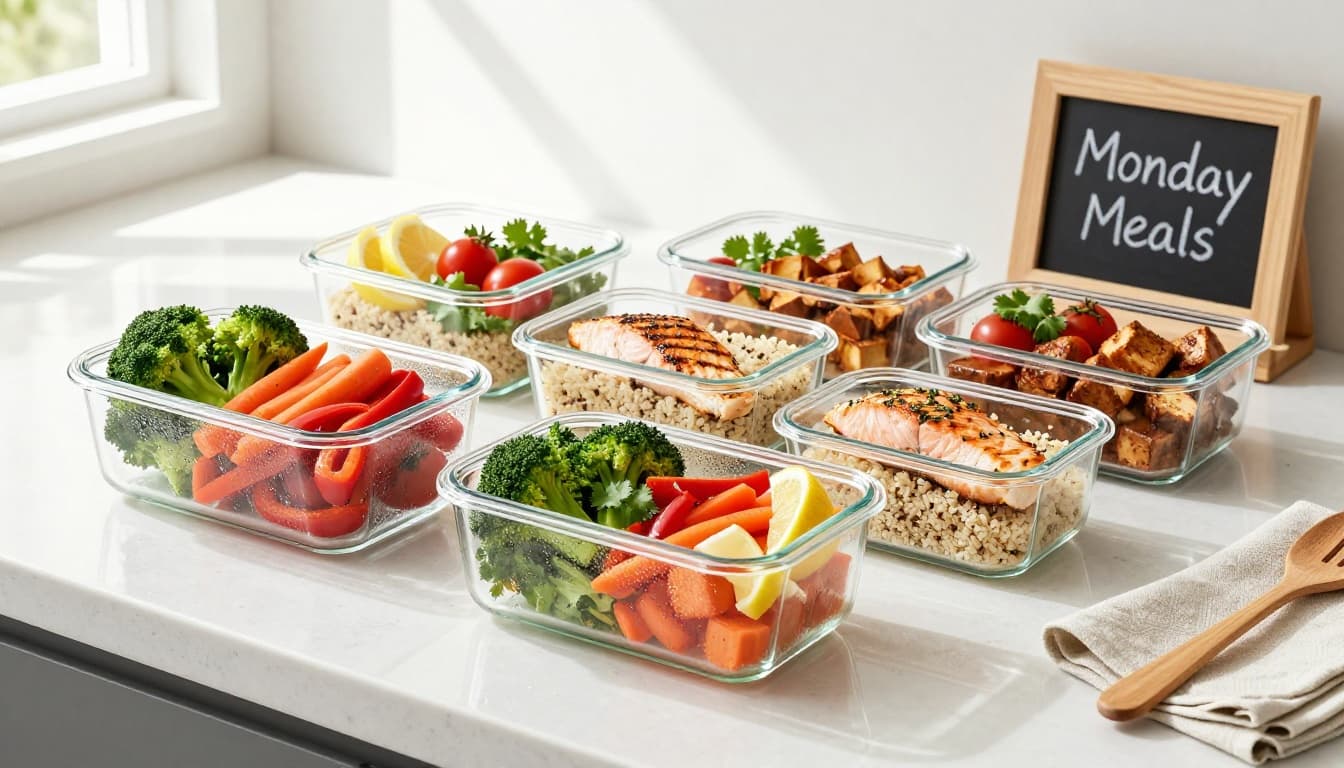
Even the best meal plan won’t help if preparation never happens. That’s why setting aside a small window for preparation is key. It doesn’t have to be an entire Sunday afternoon. Thirty to sixty focused minutes can make a noticeable difference.
Start with tasks that remove friction during the week:
- Wash and chop vegetables
- Marinate proteins
- Cook a batch of rice or quinoa
- Portion snacks
- Pre-measure ingredients for one or two meals
This front-loading reduces the number of steps required on busy evenings. When vegetables are already chopped, and protein is ready to cook, dinner feels manageable rather than overwhelming.
Keep your prep routine flexible. Some weeks will allow more time than others, but what matters is consistency. Even minimal preparation can prevent the cascade of stress that leads to abandoning your plan entirely.
Shop With Intention, Not Impulse
A thoughtful grocery strategy supports your weekly framework. Instead of wandering the aisles, build your list directly from your meal plan. Group ingredients by category to make the trip efficient.
Prioritize whole foods along the perimeter of the store: produce, proteins, and dairy. Then fill in pantry staples as needed. Buying only what you need for your weekly plan reduces waste and keeps your kitchen aligned with your goals.
It’s also helpful to keep a short list of dependable staples. Frozen vegetables, canned beans, and simple grains act as backup when plans shift unexpectedly. Having these on hand prevents last-minute substitutions that derail balance.
Rotate, Reflect, and Refine
One reason meal planning feels exhausting is the pressure to constantly innovate. In reality, repetition can be your ally. Develop a rotation of 10 to 15 dependable dinners that your household enjoys. Cycle through them with small seasonal adjustments.
After each week, take a moment to reflect:
- Which meals felt easy?
- Which nights felt rushed?
- Did leftovers work well?
- Were portion sizes realistic?
These quick reflections help you refine your plan over time. Perhaps you learn that Wednesdays need simpler meals or that doubling a recipe on Monday reduces stress later. These insights allow your system to evolve.
You might also find that certain ingredients consistently anchor your success. If high-quality chicken dishes become a reliable part of your rotation, keeping that supply steady through sources like Organic Butchery can reinforce your routine and reduce guesswork.
Meal planning doesn’t have to be a rigid formula. It’s a living process that adapts to your family’s changing needs.
Make the Table a Place of Purpose
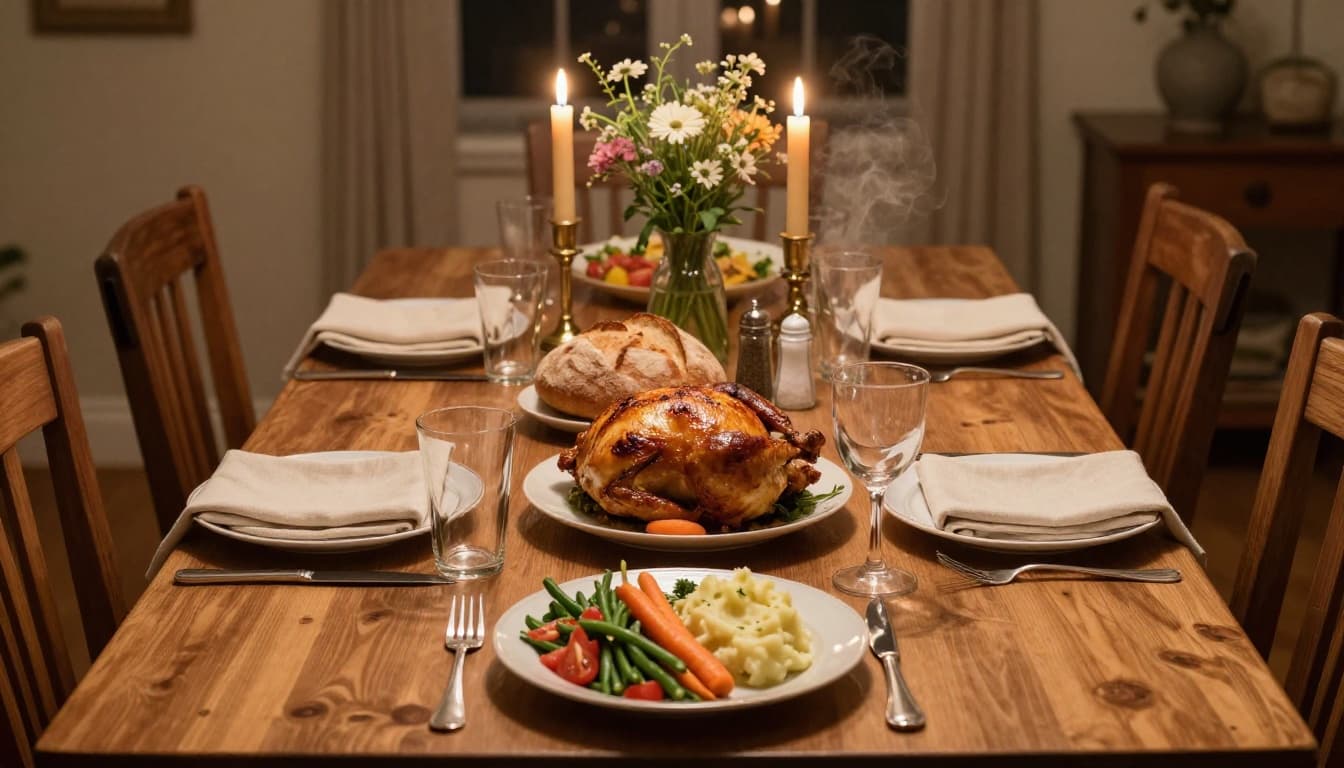
Planning balanced weekly meals is also about creating space for connection. When dinner feels organized rather than chaotic, you can focus on conversation instead of scrambling in the kitchen.
Consider small rituals that bring intention to the table:
- Ask one thoughtful question each night
- Share a highlight and a challenge from the day
- Invite children to help serve or clear
These simple practices transform dinner from a task into a shared experience. The effort you put into planning earlier in the week pays off in calmer evenings and a deeper connection.
Over time, these moments shape family culture. Consistent, balanced meals communicate care and stability. They teach children about nourishment, preparation, and shared responsibility.
Final Thoughts
Planning balanced weekly meals with intention doesn’t require elaborate recipes or rigid rules. It starts with a clear framework, thoughtful sourcing, realistic preparation, and a willingness to refine your approach. When you reduce overwhelm at the planning stage, you create room for what truly matters: nourishment, rhythm, and connection around your table.
Begin with one small change this week, map out five dinners, and prep a few ingredients ahead of time. Notice how it shifts your evenings. Organization in the kitchen often leads to greater calm in the rest of your home, one meal at a time.