
Finding Your Rhythm: How Music Rituals Can Support Personal Growth and Daily Balance
In a world that constantly demands attention, finding moments of calm can feel like a challenge. Many people turn to meditation, journaling, or exercise to reconnect with themselves, but one powerful tool is often overlooked: music. More than just background noise, music has the ability to shape emotions, influence mindset, and create meaningful pauses in an otherwise busy day.
When approached intentionally, listening to music can become a ritual rather than a passive habit. A ritual invites presence. It encourages awareness. Instead of scrolling through playlists while multitasking, slowing down to truly listen creates space for reflection and emotional clarity. This shift transforms music into a grounding practice that supports both personal growth and daily balance.
Why Rituals Matter In Everyday Life
Rituals are small, consistent actions that bring structure and meaning to daily routines. Unlike habits, which can become automatic, rituals are done with intention. They help anchor the day and provide a sense of stability, especially during stressful or uncertain times.
Music rituals, in particular, can serve as emotional checkpoints. Starting the morning with an uplifting song can set a positive tone. Taking a midday pause with calming instrumentals can reduce stress. Ending the evening with reflective tracks can encourage gratitude and self-awareness.
These moments do not need to be long or elaborate. Even five minutes of focused listening can shift mood and energy. Over time, these small practices build a deeper connection to self and create a rhythm that supports well-being.
Creating A Personal Music Ritual
Building a music ritual starts with intention. Rather than choosing songs at random, consider what is needed in a specific moment. Is it motivation, relaxation, or reflection? Matching music to emotional needs helps make the experience more meaningful.
Start by selecting a dedicated time each day. This could be during a morning coffee, a walk, or winding down before bed. Choose a few songs that align with the desired mood and commit to listening without distractions. Put the phone aside, close the laptop, and focus on the sound.
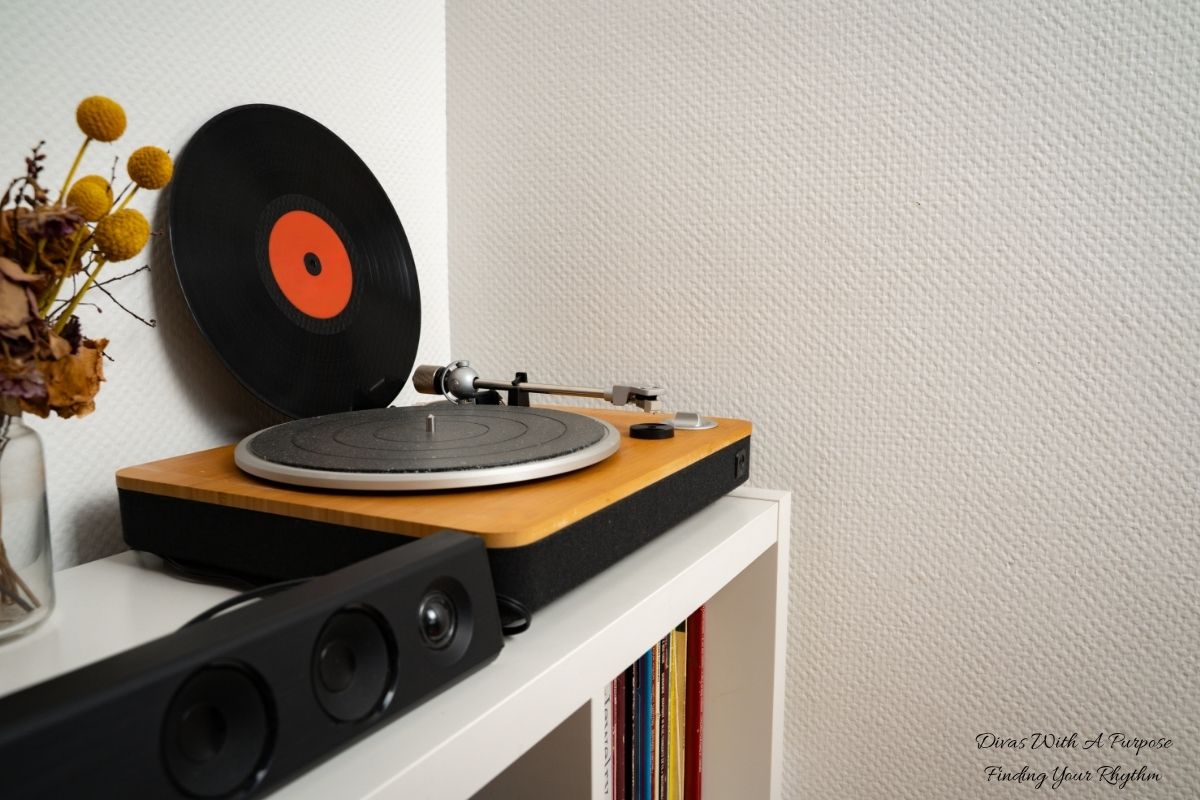
The physical experience can also enhance the ritual. Playing music through a turntable or dedicated speakers creates a more immersive atmosphere. For those exploring analog formats, browsing collections from an Evergreen Vinyl record shop can be a way to discover albums that feel intentional and timeless, rather than fleeting digital tracks.
Over time, this process becomes something to look forward to. It shifts from a simple activity into a meaningful part of the day.
The Role Of Music In Emotional Awareness
Music has a unique ability to access emotions that are often difficult to express. A song can bring comfort during challenging moments or amplify feelings of joy and excitement. This emotional connection makes music a valuable tool for self-awareness.
By paying attention to how certain songs make one feel, it becomes easier to identify emotional patterns. For example, noticing a preference for calming music during stressful periods can highlight the need for rest. Similarly, gravitating toward energetic tracks may signal a desire for motivation or change.
Using music as a mirror encourages reflection. It helps individuals tune into their inner world and respond with greater understanding and compassion. This awareness is a key component of personal growth.
Slowing Down In A Fast-Paced World
Modern life often prioritizes speed and productivity. Multitasking has become the norm, and moments of stillness are rare. Music rituals offer an opportunity to slow down and reconnect with the present.
Listening to a full album, rather than skipping between songs, encourages patience and attention. It invites the listener to experience music as a journey, with a beginning, middle, and end. This approach contrasts with the quick consumption patterns of digital culture.
Slowing down in this way has benefits beyond music. It trains the mind to focus, reduces stress, and creates a sense of calm. These effects can carry into other areas of life, improving overall balance and well-being.
Music As A Tool For Daily Balance
Balance is not about perfection. It is about creating harmony between different aspects of life. Music can play a role in achieving this balance by supporting transitions throughout the day.
For example, a morning playlist can energize and prepare the mind for the day ahead. Midday music can serve as a reset, helping to manage stress and maintain focus. Evening listening can signal the body to relax and unwind.
These transitions are important. They create boundaries between different parts of the day and prevent burnout. Music becomes a guide, helping to navigate the natural flow of energy and emotion.
Building Consistency Without Pressure
One of the challenges of creating new routines is maintaining consistency. Music rituals offer a flexible and enjoyable way to build consistency without feeling restrictive.
There is no need for strict rules. Some days, the ritual may be a full listening session. Other days, it may be a single song. What matters is the intention behind it. Keeping the practice simple and adaptable makes it easier to sustain over time.
It is also important to allow the ritual to evolve. Musical preferences change, and so do emotional needs. Staying open to new genres, artists, and formats keeps the experience fresh and engaging.
Integrating Music Into A Meaningful Lifestyle
Music rituals are not just about listening. They can extend into other areas of life, creating a more intentional and meaningful lifestyle. Organizing a music collection, exploring new artists, or sharing favorite songs with others can deepen the experience.
These activities encourage curiosity and creativity. They provide opportunities for connection, both with oneself and with others. In a world that often feels disconnected, music offers a simple yet powerful way to build bridges.
Incorporating music into daily life does not require major changes. Small, thoughtful actions can have a lasting impact. Over time, these moments create a sense of rhythm that supports both personal growth and daily balance.
Finding Your Unique Rhythm
There is no single way to create a music ritual. Each person’s rhythm will be different, shaped by individual preferences, schedules, and goals. The key is to approach the process with curiosity and intention.
Experiment with different times, genres, and formats. Notice what feels most supportive and enjoyable. Allow the ritual to reflect personal values and needs.
Finding a rhythm is not about following a perfect routine. It is about creating space for moments that matter. Through music, it becomes possible to slow down, reconnect, and move through life with greater balance and awareness.
By turning listening into a ritual, music transforms from a background activity into a meaningful practice. It becomes a steady companion in the journey toward personal growth, offering both comfort and inspiration along the way.