
Simple Ways to Build a Stronger and More Resilient Home


Your home should feel like a haven, a place where you can truly relax. But making it feel that way means more than just picking out paint colors. Building a truly strong home means taking steps to protect it, inside and out. This guide will help you create a home that can handle whatever comes its way, giving you a solid foundation for your life.
Why Home Resilience Matters
Home resilience is all about getting your property ready for everyday wear and tear, plus anything unexpected that might pop up. It’s the difference between a small annoyance and a huge problem. When your home is resilient, it’s much better at dealing with everything from a big rainstorm to the usual daily grind. This way of thinking ahead helps protect your money and cuts down on the stress of sudden repairs.
It’s also helpful to think about resilience on a bigger scale. City planners often use a resilient housing guide to design homes that are tougher and work better. You can use these same ideas for your own place by focusing on smart upkeep and good preparation. A resilient home gives you and your family a stable and dependable base.
Creating a Proactive Maintenance Schedule
If you just wait for things to break, you’re setting yourself up for stress and expensive bills. A regular maintenance schedule helps you move from reacting to problems to being ready for them. The trick is to group tasks by season, when they make the most sense. For instance, you might check your air conditioning in the spring before summer heats up, and look at your heating system in the fall before it gets cold.
You don’t need a fancy system to start. A simple digital calendar or even a notebook can work perfectly. To get a good idea of what to include, you can find great examples online to help you create a home preventative maintenance schedule for your specific property. Set reminders for things like cleaning gutters, testing smoke detectors, and checking under sinks for leaks.
Protecting Your Foundation from Water
Water is one of the biggest ongoing threats to how solid your home is. Keeping your foundation safe starts outside. Make sure to clean your gutters regularly so water can flow freely, and check that your downspouts send water at least five feet away from your house. The ground right around your foundation should slope away from the walls, which stops water from collecting and seeping into your basement or crawlspace.
If your home has a basement or crawlspace, your sump pump helps direct groundwater away from the foundation before it can cause costly damage. Regular testing and routine maintenance can help you spot small problems before they become emergencies. If you discover your sump pump not draining, don’t ignore it. Common causes include blocked discharge lines, float switch problems, power issues, or debris inside the pump, and identifying the cause early can help prevent basement flooding and expensive repairs.
Emergency Preparedness Essentials
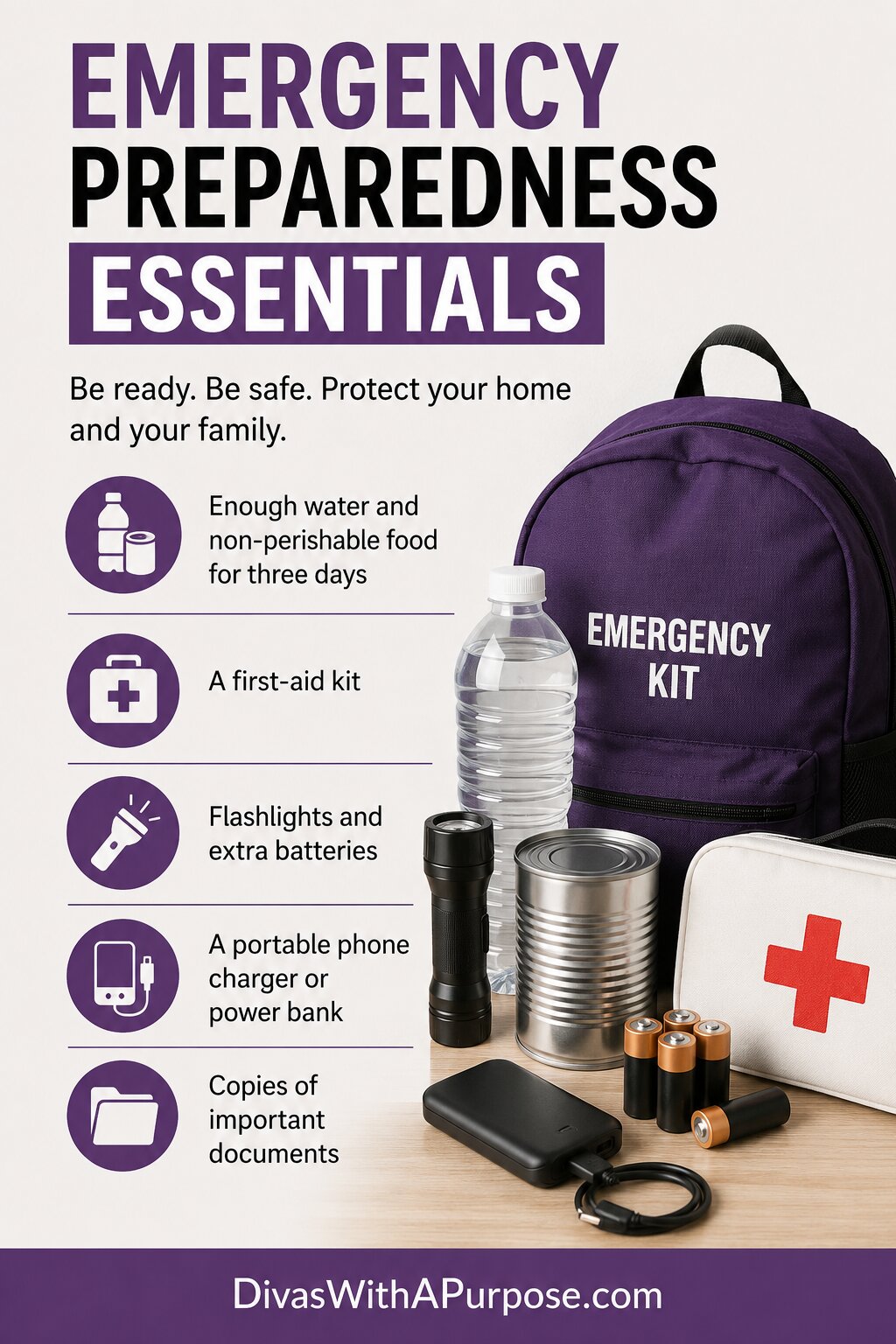
Being ready for emergencies is a key part of having a resilient home. This doesn’t mean expecting the worst, but rather having a plan so you can handle unexpected situations calmly. Start by putting together a basic emergency kit with essential items for you and your family.
Your kit should have:
- Enough water and non-perishable food for three days
- A first-aid kit
- Flashlights and extra batteries
- A portable phone charger or power bank
- Copies of important documents
Besides the kit, make sure you know where your home’s main utility shutoffs are. Find the main water valve and the main circuit breaker. If there’s a big leak or an electrical problem, being able to quickly turn off the source can prevent a lot of damage.
Budgeting for Home Longevity
A resilient home also means one that’s financially stable. Big repairs, like a new roof or an HVAC system, can really hit your budget hard if you’re not ready for them. The best way to handle these costs is to plan by saving money in a dedicated home maintenance fund.
Financial experts often suggest putting aside 1% to 3% of your home’s value each year for upkeep and repairs. So, if your home is worth $300,000, that would mean saving between $3,000 and $9,000 annually. This might sound like a lot, but it creates a vital safety net that turns a potential crisis into something you can manage. This fund makes sure you can fix problems as they come up without messing up your other financial goals.
Building a stronger, more dependable home is an ongoing process of care. Every little step you take helps create a safer and more secure place for you and your loved ones.