Anxiety Management Coping Skills That Actually Work in Real Life

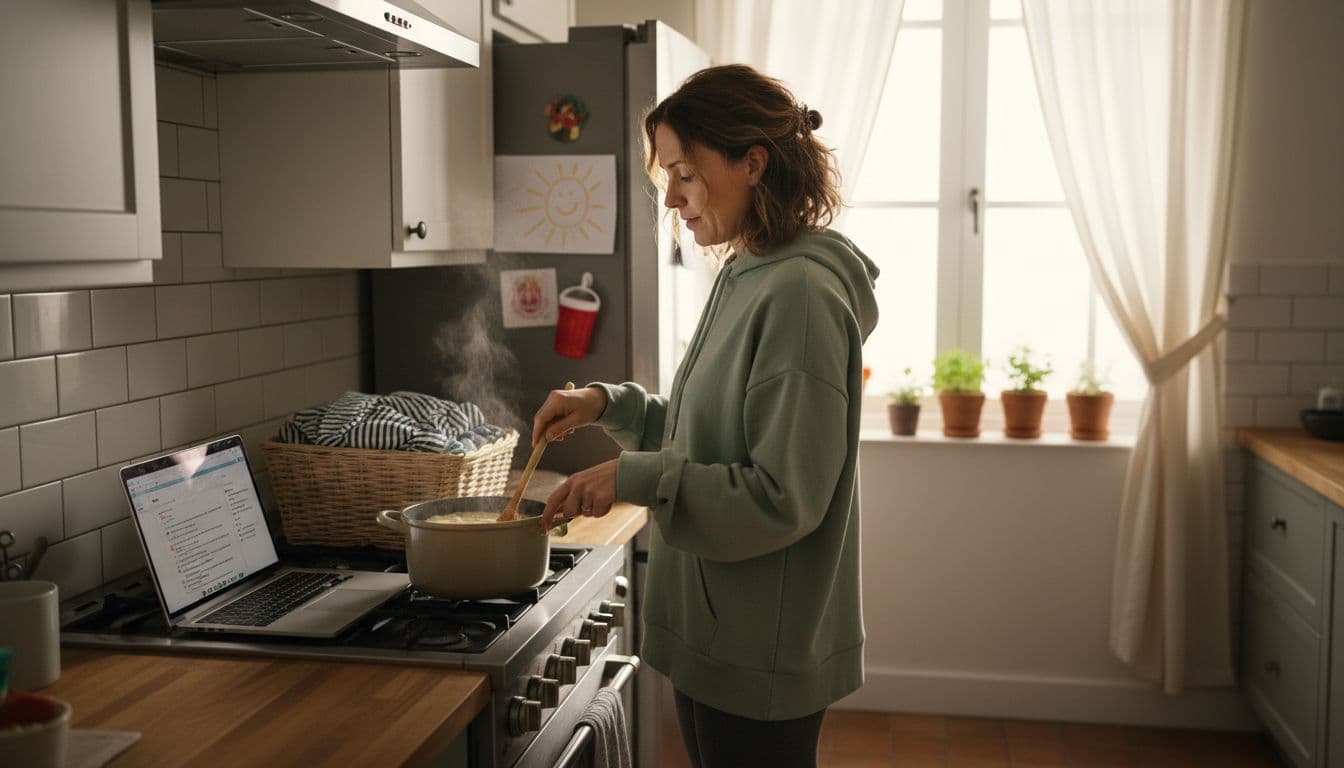
Anxiety management coping skills can make a real difference when your day feels overwhelming. Anxiety can slip in at the school drop-off, during a Zoom call, or when you finally sit down to breathe. If you’re juggling work, family, and a never-ending to-do list, you’re not imagining it.
Stress builds, your heart races, and your mind starts to spiral.
You are not alone, and you are not broken.
This article shares simple anxiety management coping skills you can use in real life, without changing your entire routine. These are small, doable steps that fit into your day and help you feel more in control.
You’ll learn how to:
- spot your anxiety triggers early
- use quick coping skills in the moment
- build daily habits that support long-term calm
- set boundaries that protect your energy
Take a breath. Pick one strategy, try it today, then build from there.
Spotting Triggers: The First Step in Anxiety Management Coping Skills
One of the most powerful anxiety management coping skills is learning to recognize what triggers your stress.
This is not about blaming yourself. It is about understanding your patterns so you can respond with intention instead of reacting on autopilot.
Common Everyday Anxiety Triggers
Many triggers show up in daily life. Once you notice them, you can start making small shifts.
Morning chaos
Rushing, missing items, and tight schedules can instantly raise stress levels. Try prepping the night before or giving yourself a small time buffer.
Work overload
Back-to-back tasks and unclear priorities keep your brain in overdrive. Choose your top 3 tasks and give yourself short breaks.
Social media stress
Comparison and constant noise can trigger anxiety. Set limits or unfollow accounts that drain you.
Relationship tension
Unspoken needs or difficult conversations can weigh heavily. Plan calm, intentional times to talk things through.
Money and life logistics
Bills and unexpected issues can feel overwhelming. Focus on one next step instead of the whole problem.
When you can name the trigger, you can choose a better response. That is where your anxiety management coping skills begin to work.
A Simple Journal to Strengthen Your Coping Skills
Tracking your experiences is one of the easiest anxiety management coping skills to build awareness.
Keep it simple with this quick method:
- Time and place: “7:40 a.m., kitchen”
- Situation: “Running late, spilled coffee”
- Thoughts and body: “Tight chest, racing thoughts”
- What helped: “Took a breath, reset timeline”
Keep it short, about one minute. This is about noticing patterns, not writing a perfect journal entry.
Over time, you will start to see what triggers your anxiety and what helps calm it. That awareness is powerful.
Quick Anxiety Management Coping Skills for Instant Relief
When anxiety hits, you need tools that work right away.
These quick anxiety management coping skills can help calm your body and mind in just a few minutes.
Try the 4-7-8 Breathing Technique
This simple breathing pattern helps your body shift out of stress mode.
- Inhale through your nose for 4 seconds
- Hold for 7 seconds
- Exhale slowly through your mouth for 8 seconds
Repeat for 4 cycles.
This works because longer exhales signal safety to your brain. Your heart rate slows, and your thoughts begin to settle.
If needed, adjust the timing to something comfortable like 3-5-6.
Use 60-Second Mindfulness Resets
You do not need a full meditation session. Short pauses can make a big impact.
Try these:
Body scan
Close your eyes and mentally scan from head to toe. Tell each area to “soften.”
Gratitude reset
Name three small things going right in your day.
Grounding moment
Place your feet firmly on the floor, take a deep breath, and focus on what you can control right now.
These anxiety management coping skills work best when you connect them to things you already do, like making coffee or getting ready for bed.

Daily Habits That Support Long-Term Anxiety Management
Quick fixes help in the moment, but daily habits build a calmer foundation.
Simple lifestyle-based anxiety management coping skills include:
- Consistent sleep routines to help your body reset
- Balanced meals that support steady energy
- Movement you enjoy, like walking or stretching
- Reducing overload, especially from screens and noise
You do not need to do everything at once. Choose one habit and stay consistent.
Setting Boundaries as a Coping Skill
Boundaries are one of the most important anxiety management coping skills, especially if you tend to take on too much.
Start small:
- say no to one thing that drains you
- delay responding instead of reacting immediately
- create space in your schedule for yourself
Protecting your time and energy is not selfish. It is necessary.
When to Seek Extra Support
Anxiety management coping skills are powerful, but you do not have to do this alone.
Support can include:
- therapy or counseling
- support groups or community spaces
- medical guidance if needed
These are not last resorts. They are tools that help you care for yourself fully.

Final Thoughts: Start Small and Stay Consistent
You do not need a perfect plan to manage anxiety.
Start with one anxiety management coping skill:
- a 60-second breathing exercise
- a quick journal note
- a small boundary
Then repeat it tomorrow.
Small actions, done consistently, create real change.
You are not behind. You are learning how to support yourself in a new way.
What is one coping skill you can try today?
Please pin one of these images to your favorite Pinterest board.
This simple share makes a big difference to my blog. Thank you!

Michelle D. Garrett is the founder of Divas With A Purpose.
She focuses on sharing resources for being purposely productive; setting personal and professional goals and achieving them through daily action; and successfully running a business while focusing on your mental health. Michelle is a full-time entrepreneur who specializes in teaching female entrepreneurs how to show up consistently in their business – online and off.