How Women Entrepreneurs Choose a Supplement Manufacturer
Women entrepreneurs launching a supplement or wellness brand face a contract manufacturer conversation that shapes the first 12 to 24 months of the business. Formulation, ingredient sourcing, packaging, regulatory compliance, and fulfillment all flow from that decision. The choice of manufacturer shapes both the immediate product quality and the brand’s long-run ability to scale.
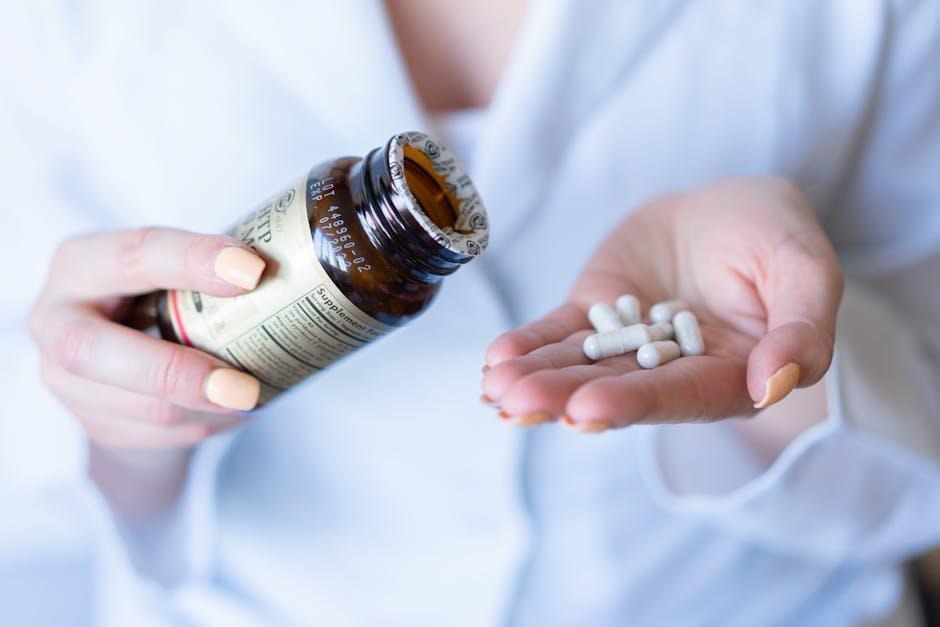
Women founders building a supplement brand often look for contract manufacturers that combine turnkey services with hands-on support. Specialist contract manufacturers like Superior Supplement Manufacturing show the depth founders should look for. The Fountain Valley, California-based partner handles formulation, R&D, ingredient sourcing, multiple delivery formats, label design, packaging, warehousing, and fulfillment under one roof. The model suits founders who want to focus on brand-and-customer work rather than supply-chain operations.
Why Has the Contract Manufacturer Decision Become More Strategic?
Three structural realities make manufacturer selection one of the more consequential decisions for a new wellness brand:
- Capital efficiency: A contract manufacturer absorbs the upfront cost of facility build-out, allowing founders to launch with less capital
- Speed-to-market: Turnkey partners compress the timeline from formulation to first product run from 18 months to 6 months in many cases
- Compliance depth: Reputable manufacturers carry GMP, NSF, USDA Organic, Kosher, and Halal certifications that founders cannot reproduce solo
A contract supplement manufacturer is a third-party producer that handles the full production stack from formulation through fulfillment. The right partner becomes a long-term operating relationship rather than a one-off transaction.
What Should Women Founders Verify Before Engaging?
Six criteria belong on every shortlist. The table below summarises what founders should weigh before commitment.
| Criterion | Why It Matters | What to Confirm |
| Certifications | Regulatory and trust signal | GMP, NSF, USDA Organic, Kosher, Halal |
| Delivery formats | Product roadmap fit | Capsules, tablets, powders, gummies, liquids, softgels |
| Minimum order quantities | Capital alignment | Realistic first-run MOQs for the brand stage |
| Formulation support | R&D depth | In-house formulation team available |
| Fulfillment options | Operational simplicity | Warehousing and direct-to-consumer fulfillment |
| Communication cadence | Founder support | Named contact and documented protocol |
A manufacturer that produces clear answers across these six points signals a partner worth retaining. A manufacturer that deflects on any of them signals a setup that may not match a founder-led brand’s needs. The FDA’s dietary supplement guidance hub outlines the foundational regulatory framework supplement founders should reference.
Which Brand Categories Reward Specialist Counsel Most?
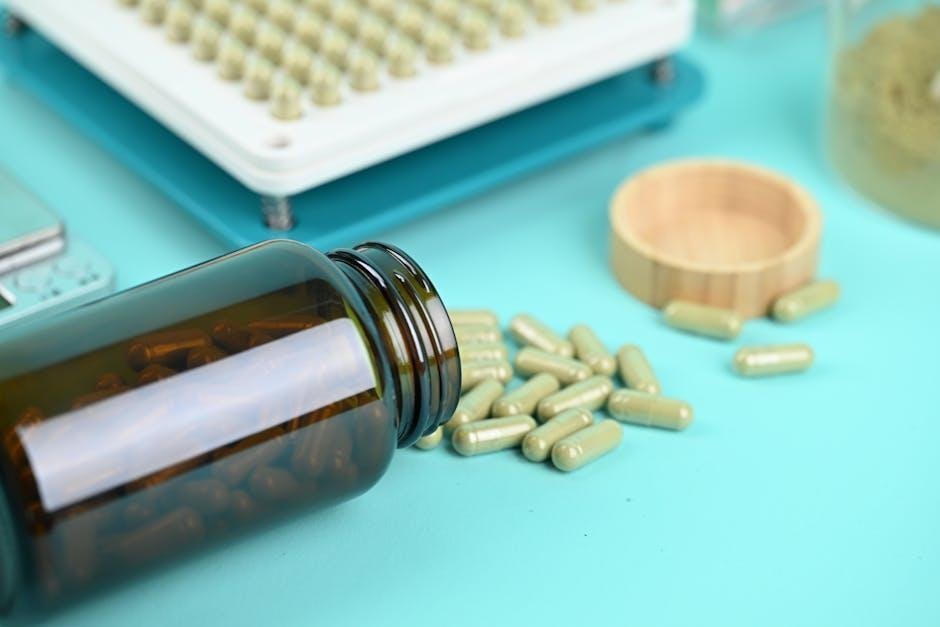
Three founder categories reward manufacturer depth more than the others:
- First-time founders without existing manufacturing relationships who need formulation and regulatory guidance through the launch
- Direct-to-consumer brands scaling from initial e-commerce sales to broader retail distribution where fulfillment integration matters
- Multi-product roadmap brands planning to expand from a single hero product to a category portfolio across formats
The FTC’s dietary supplement advertising guidance outlines the broader framework founders should reference for marketing claims and labelling. The first manufacturer conversation typically runs 30 to 60 minutes covering brand vision, format selection, and a written follow-up summary.
What Common Errors Surface in Founder Supplement Launches?
Several patterns recur:
- Choosing on price alone while ignoring certifications and formulation depth
- Underestimating minimum order quantities that lock founders into inventory beyond initial demand
- Skipping the in-person facility visit before committing to a long-term partner
- Forgetting the fulfillment integration which materially affects unit economics
- Treating the manufacturer as a vendor rather than a strategic partner across the brand-building years
Coverage of building a teen son’s self-esteem reminds founders that thoughtful long-term decisions compound. Manufacturer selection follows the same principle across the brand-building horizon.
What Is the Bottom Line for Women Wellness Founders?
The manufacturer decision rewards founders who plan rather than improvise. The window for thoughtful preparation typically runs from the early concept phase through to the first commercial production run. The right partner coordinates formulation, sourcing, production, packaging, and fulfillment under one engagement rather than splitting work across multiple parties.
Whether the founder is building from a kitchen-table concept, expanding a wellness service into a product line, or scaling an existing direct-to-consumer brand, the criteria translate cleanly. The first manufacturer conversation should answer specific questions about MOQ, certifications, and timeline. Founders who run real comparison processes early end up with cleaner long-run outcomes than those who default to whichever partner appeared first in a search.
Pre-engagement preparation pays back across the entire brand-building cycle. Coverage of the importance of the 35th birthday milestone reminds women founders that life-stage transitions often spark business-launch decisions. The right contract manufacturer turns that vision into a real product. Specialist partners like Superior Supplement Manufacturing typically charge a premium relative to bargain-tier manufacturers. The premium typically returns through tighter formulation, cleaner regulatory compliance, and meaningfully better fulfillment outcomes that protect the brand’s reputation across years of growth.
Frequently Asked Questions
What Are Typical Minimum Order Quantities for Supplement Manufacturing?
MOQs vary by delivery format and manufacturer. Capsule and tablet runs typically start at 1,500 to 5,000 units per SKU. Gummy runs often start at 5,000 to 10,000 units. Powder runs tend to start at 250 to 500 pounds. Some manufacturers offer lower-MOQ launch programs for first-time founders.
How Long Does a Typical First Production Run Take?
Plan for 12 to 20 weeks from contract signing to first product delivered. Formulation and stability testing typically take 4 to 8 weeks. Ingredient sourcing and label production run 4 to 6 weeks. Production and packaging usually take 2 to 4 weeks. Quality testing adds 1 to 2 weeks before product ships.
What Certifications Should I Look for in a Supplement Manufacturer?
GMP certification is the regulatory baseline. NSF certification adds independent quality verification. USDA Organic, Kosher, and Halal certifications matter for specific consumer segments. Founders building premium or specialty-positioned brands often need three or more certifications to satisfy retailer and consumer expectations.
How Much Capital Does Launching a Supplement Brand Typically Require?
Most direct-to-consumer supplement brands launch with 50,000 to 250,000 dollars in initial capital. The figure covers first production runs, label and packaging design, brand and website development, regulatory consultation, and initial marketing. Higher-end brands targeting retail distribution often require 250,000 to 750,000 dollars in launch capital. Founders raising outside investment often time the first close to coincide with the first production run rather than well in advance.