
Tiny Wellness Habits for Winter (Stress Relief for Busy Women)

Short days, gray skies, and nonstop to-do lists can make winter feel heavy. If you’re juggling work, family, and a calendar that never quits, the cold can sap your energy and spike stress. That’s why simple winter wellness habits matter so much this time of year. Fatigue creeps in, motivation dips, and even small tasks feel louder than they should, but a few small daily shifts can help you feel steadier and more like yourself again.
Here’s the good news. Tiny winter wellness habits, the kind that take just a few minutes, can steady your mood and help you feel more like yourself. They fit inside a packed schedule, no extra gear or major planning, just small actions that stack up.
In this guide, you’ll find simple winter wellness habits for morning (think light, movement, and calm), midday (quick resets that cut tension), and evening (wind-down moves that support sleep). You’ll learn how to warm your body, clear mental clutter, and keep your energy steady without adding stress.
These habit ideas are practical, flexible, and kind. Pick one or two, then build from there when you’re ready. Even on chaotic days, you can make space for care that actually works.
If winter’s got you feeling stretched thin, you’re not alone. With a few small shifts, you can lift your mood, ease the pressure, and get through the season with more comfort and ease. Let’s keep it simple, doable, and friendly to your real life.
Kick Off Your Mornings with Simple Stress-Busting Rituals
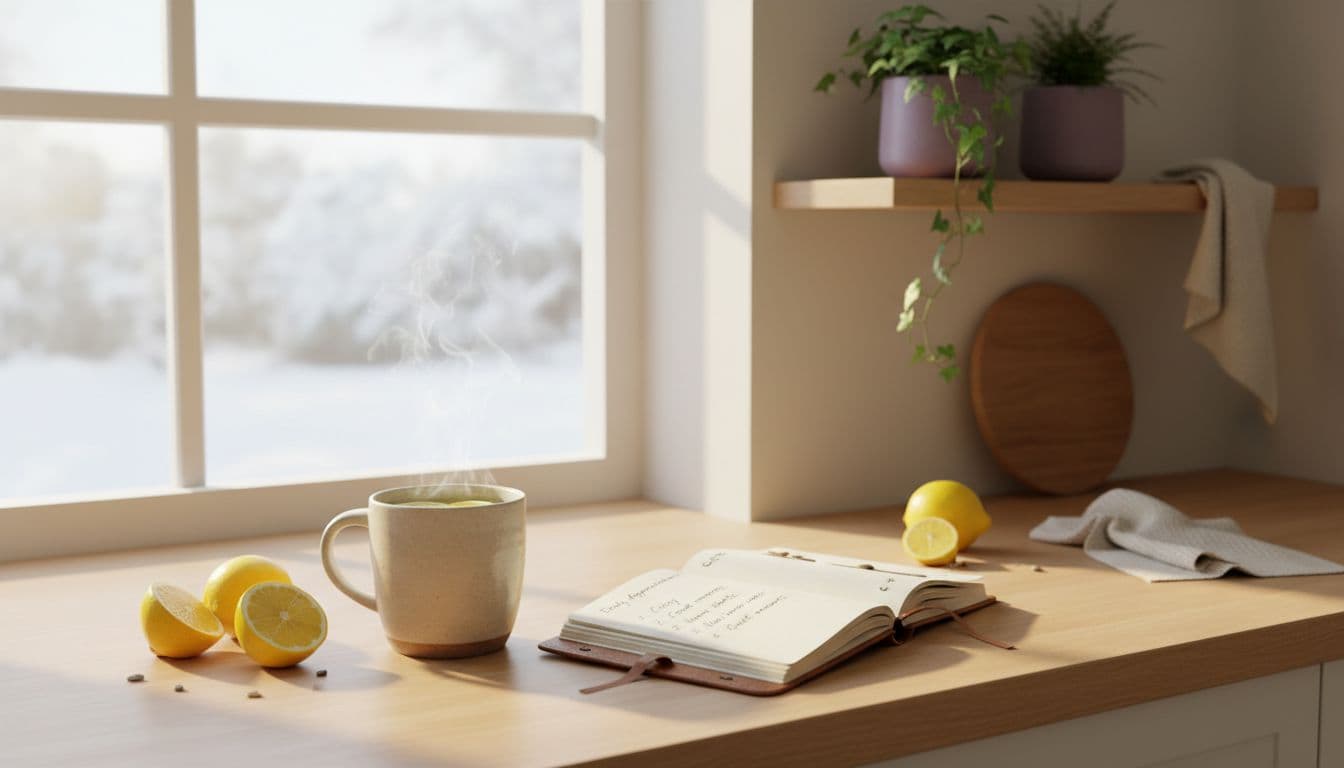
Morning winter wellness habits set the tone for everything that follows. Beat winter sluggishness with a tiny stack of rituals that takes less than 10 minutes. These moves hydrate you, lift your mood, and ease your body into motion. Pair them with your coffee brewing or tea steeping so they happen on autopilot.
Sip Warm Lemon Water to Wake Up Gently
Start your day with 8 ounces of warm water and a squeeze of fresh lemon. Add a dash of honey if you like a softer taste. The warmth wakes your digestive system, and the lemon offers vitamin C to help your immune system during cold season. Hydration also fights dry indoor air, which can make you feel sluggish and foggy.
- How to do it: Heat water so it’s warm, not hot. Squeeze in 1 to 2 teaspoons of lemon juice, stir, and sip slowly.
- Why it helps: It signals your body to ease into the day, cutting grogginess and stress. It also supports digestion and hydration first thing.
Curious about benefits and caveats? See this quick overview from the Cleveland Clinic: What Are the Benefits of Drinking Lemon Water?
Jot Down Three Things You’re Grateful For
Keep a small notebook on your nightstand. Take one minute to list three gratitudes. Focus on small wins or winter comforts: a heated mug, a cozy blanket, the quiet before emails. This simple gratitude practice is one of those winter wellness habits that quietly shifts your mindset before the day even begins.
Try these prompts when you feel stuck:
- Comfort you noticed: The warm shower steam, your favorite sweater.
- Connection you felt: A kind text, your child’s laugh, a helpful coworker.
- Progress you made: Sent one important email, folded a load of laundry, prepped dinner.
Keep it short and simple. One line each. No pressure to write a perfect sentence.
Do a Two-Minute Stretch Facing the Sunlight
Stand by a window for natural light while you loosen tight spots from sleep. Morning light supports your body clock, and sunlight exposure helps with vitamin D, which is often low in winter months. Gentle movement releases neck and shoulder tension so you start calm, not clenched.
Try this mini flow:
- Stand tall, feet hip-width. Roll your shoulders back 5 times, then forward 5 times.
- Drop your right ear toward your right shoulder. Hold 10 seconds. Switch sides.
- Interlace fingers, press palms forward, and reach arms up. Take 2 slow breaths.
- Open your chest by reaching arms wide, then give yourself a hug. Breathe in and out.
Want an extra calm boost? Add 60 seconds of box breathing at the end: inhale 4, hold 4, exhale 4, hold 4. This quick breath pattern can lower cortisol and steady your heart rate, which helps you meet the day with more focus and less anxiety.
Make these habits stick:
- Pair with coffee time: Sip lemon water while the machine warms up.
- Prep the night before: Put your lemon, mug, and notebook on the counter.
- Keep it visible: Stretch in front of the window you pass every morning.
- Track it: Check off a small box on your calendar. Progress motivates action.
These tiny steps set a calm tone before the day takes over. They’re quick, doable, and designed to help you feel lighter, even on the coldest mornings.
Ease Midday Tension with Quick Reset Habits

Midday stress can sneak up fast, especially in winter. A quick reset helps lower your heart rate, clear your mind, and get you back to work with more focus. These tiny habits are simple, warm, and realistic when time is tight.
Take a Short Indoor Walk to Clear Your Head
A five-minute walk shifts your mood and gets blood moving. Pace a hallway, loop your living room, or take the stairs. If you like, pop on a favorite upbeat song and match your steps to the rhythm. Movement triggers endorphins, which help ease stress and lift energy. It also boosts circulation, a handy counter to that cold, sluggish feeling.
- If sidewalks are clear, step outside for fresh air and a quick loop around the block. Layer a light base top, a warm mid layer, and a windproof jacket. Add gloves and a hat to hold heat.
- Snowed in? March in place beside your desk. Add gentle arm swings to warm your shoulders.
- Need motivation? Set a 5-minute timer and treat it like a meeting with yourself.
For extra encouragement, see how winter walking supports mood and energy in this overview on the benefits of winter wellness walks: Physical and Mental Benefits of Winter Wellness Walks. If you prefer to stay inside, quick indoor sessions can also support focus and lower anxiety: Indoor workouts for when it’s too cold to go outside.
Brew a Calming Herbal Tea Break
Make a mug of chamomile or peppermint and breathe while it steeps. Use the 4-7-8 breathing pattern to settle your nervous system: inhale for 4, hold for 7, exhale for 8. Repeat three to four rounds. The warmth soothes your body in winter, and the herbs can calm an uneasy stomach and quiet a busy mind. Tea also contains antioxidants, which support immune health during cold months.
Try this quick ritual:
- Put the kettle on. While it heats, place one hand on your chest and one on your belly.
- Practice 4-7-8 breathing for one minute.
- Pour and steep for 3 to 5 minutes. Keep breathing slow and steady.
- Sip mindfully. Feel the warmth, notice the flavor, and let your shoulders drop.
Use this break to reset your intention for the next hour. One sentence works: “I will finish my top task calmly.” You return to your day less keyed up and more clear.
Massage Your Hands for Instant Relief
Hands take a beating from typing, dishes, and cold air. A two-minute hand massage eases tightness and helps ground anxious thoughts.
- Rub your palms together briskly for 10 seconds to create heat.
- With a dab of lotion, press your thumb into the center of your opposite palm. Make small circles for 20 seconds, then switch.
- Slide your thumb up each finger from base to tip. Gently tug each fingertip.
- Massage the webbing between thumb and index finger. This spot holds a lot of tension.
- Finish with slow circles around each wrist.
Choose a lotion with a light lavender scent if you enjoy it. The aroma can add a sense of calm while also helping dry winter skin. After two minutes, your hands feel warmer, your jaw eases, and your mind feels steadier.
These mini resets fit between meetings, chores, or school pickups. Use one at lunch or stack two for a stronger effect. Expect better afternoon focus, steadier mood, and a little more ease to carry you through the rest of the day.
Wind Down Evenings for Better Rest and Recovery

Evening winter wellness habits help you downshift, sleep deeper, and wake ready for a new day. Keep it simple and repeatable. The goal is steady cues that tell your brain it is safe to rest.
Dim the Lights to Signal Relax Mode
About an hour before bed, switch off overheads and use soft lamps, warm bulbs, or candlelight. Lower light cues your brain to make melatonin, the sleep signal that often gets disrupted in winter when nights start during work hours. Bright, cool light in the evening can stall melatonin and keep you wired. Research shows that artificial light at night slows melatonin production and disrupts your circadian rhythm. Learn more here: Artificial light interrupts circadian cycle.
- Aim for warm light (2700K or lower) to support wind down.
- Put screens on night mode and drop brightness. Better yet, set them aside.
- Pair this with your midday tea habit for continuity. Sip chamomile or peppermint while lights dim and your mind follows.
If sleep has felt restless, consider this small swap as a non-negotiable. The shift is gentle, and the payoff is real. For a deeper dive into how evening light affects melatonin, see this study on home lighting and circadian timing: Evening home lighting adversely impacts the circadian system.
Enjoy a Warm Soak to Melt Away the Day
Heat relaxes muscles, eases tight shoulders, and drops stress fast. A quick soak raises your body temperature so you cool slightly after, which can help you fall asleep.
- Short on time? Do a 10-minute foot soak with warm water and 1 to 2 tablespoons of Epsom salts. Set a basin by the couch and let it work while you review tomorrow’s top task.
- Have a little more space? Take a full bath for 10 to 15 minutes. Add a few drops of lavender or cedarwood essential oil for cozy winter vibes.
- Keep it simple. Towel off, moisturize, and slip into warm socks to lock in heat.
Epsom salts contain magnesium sulfate, which many find soothing for tired legs and post-workout stiffness. Even the ritual itself signals your nervous system to stand down.
Read a Few Pages of a Feel-Good Book
Swap late-night scrolling for 10 to 15 minutes of light reading. Choose cozy genres that lift your mood, like gentle fiction, light romance, or memoirs with heart. Escapism gives your brain a soft landing and keeps blue light at bay.
Try a mini ritual:
- Pick a book that feels warm and easy. Nothing heavy or dark.
- Keep it on your nightstand with a soft bookmark.
- Set a gentle timer if that helps you stop at a good point.
This simple habit supports winter nesting. Picture a blanket, dim lamps, and a slow story that eases you out of the day. Your eyes relax, your shoulders drop, and sleep comes easier.
Try a Quick Body Scan for Deep Calm
A 5-minute body scan helps clear stress from your muscles and mind. It is mindfulness without pressure, and it fits right into your bedtime routine.
How to do it:
- Lie down on your bed or a mat. Close your eyes.
- Start at your toes. Notice sensations. Release any tightness.
- Move up through feet, calves, knees, and thighs. Soften each area.
- Scan hips, belly, and low back. Let your breath get slow and steady.
- Continue to chest, shoulders, arms, and hands. Unclench your jaw.
- End at your neck and face. Smooth your brow. Stay for three slow breaths.
This practice lowers anxiety, brings your attention back to your body, and tells your system that the day is done. If your mind drifts, that is normal. Gently come back to the spot you were scanning.
Each of these gentle winter wellness habits works together to reset stress and prepare your body for sleep. Nothing complicated, just small signals that say, “We’re done for today.”
Small evening habits stack up. Dim lights, warm soaks, cozy pages, and a short body scan work together to reset stress and prep you for tomorrow. Keep it guilt-free, low effort, and consistent. Winter will feel softer, and sleep will do more of the heavy lifting for you.
Conclusion
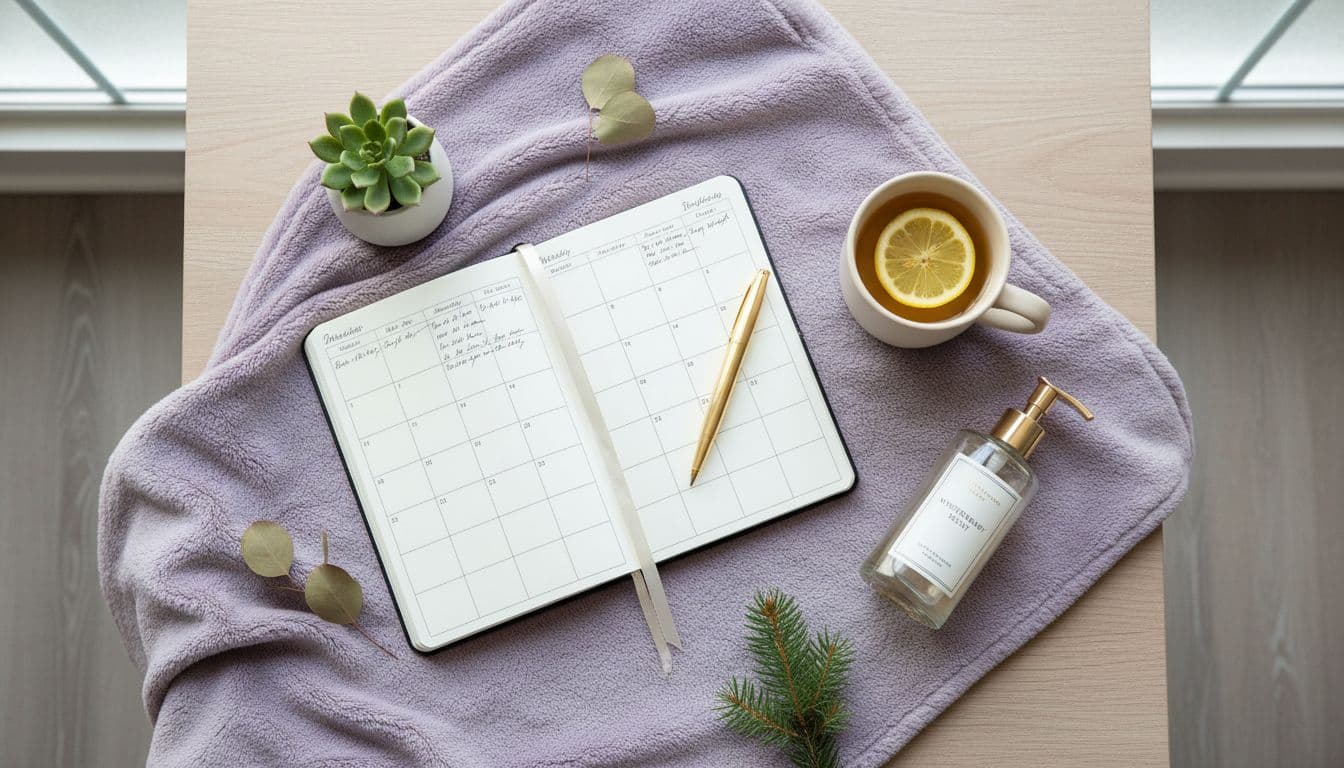
Small steps change how winter feels, even on your busiest days. Tiny wellness habits add up, steady your mood, and make stress easier to handle. Morning light and gentle movement set a calm tone. Midday resets, like a short walk or tea break, clear tension fast. Evening cues, from dim lights to a simple body scan, help you sleep deeper and wake with more ease.
Start simple. Pick one or two winter wellness habits that fit your life, then repeat them until they stick. Consistency beats intensity, especially when time is tight. When you feel ready, stack a second habit onto one you already do. You will build momentum without burning out.
Winter can be softer, warmer, and kinder with these tiny shifts. Energy feels steadier, your mind gets clearer, and your body feels more supported.
Pick a habit today and share in the comments how it helps. Your experience may inspire someone else to get started. Keep going, one small step at a time. Small actions lead to big wellness wins.