
How to Teach Teenagers Healthy Money Habits at Home

Money lessons don’t have to begin with a lecture, a spreadsheet, or a complex personal finance program. They can begin with the small choices your teen already makes, like buying snacks after school, saving birthday money, or tapping a phone to pay for something.
When you teach teenagers healthy money habits at home, you give them room to practice basic money management before the stakes get bigger. The goal isn’t to raise a teen who never makes a questionable purchase. It’s to build strong teen money habits so they can pause, think, ask questions, and make a better choice next time.
Start where your family is, use real life, and keep the conversation open to secure their financial future and establish lifelong financial habits.
Key Takeaways
- Teens learn essential money management skills faster when they can practice with real, age-appropriate decisions.
- Learning budget basics helps teens develop healthy spending habits and gives every dollar a purpose without making money feel restrictive.
- Saving works better when teens connect it to savings goals and broader financial goals they actually care about.
- Debit cards, credit, borrowing, and online payments all need clear conversations and foundational financial literacy before a teen uses them alone.
- Mistakes can become useful lessons in financial responsibility when shame stays out of the conversation.
Teach Teenagers Healthy Money Habits Through Everyday Life
Teens are already watching how money moves through your home. They notice when you compare prices at the grocery store. They hear you say no to impulse purchases. They see subscriptions, bills, deliveries, and the excitement of a good sale, which all shape their developing financial habits.
That doesn’t mean you have to share every financial detail. It means you can let them see the thinking behind ordinary choices.
Try simple conversation starters during the week:
- “What would you do with an extra $25 this month?”
- “Is this item a priority when balancing your needs versus wants?”
- “What do you think this costs over a year?”
- “What would make this purchase feel worth it to you?”
- “If you borrowed this money, how would you pay it back?”
These questions build judgment without making your teen feel tested, offering practical financial advice in a low pressure way. Listen before you correct. Sometimes a teenager needs space to explain why a purchase matters to them, even if you wouldn’t spend money the same way.
Financial literacy includes earning, saving, spending, borrowing, and planning ahead. This overview of financial literacy is a helpful reminder that money confidence isn’t one skill, and solid financial education involves a set of small abilities that grow with practice to prepare young adults for lifelong money management.
A teen doesn’t need control over every household dollar. They do need regular chances to make choices, see the result, and talk about what happened.
Keep the tone calm. Money can carry stress, guilt, and old family stories. Your teen needs truth, but they also need to know money is a skill they can learn.
Build a Simple Budget They Can Actually Use
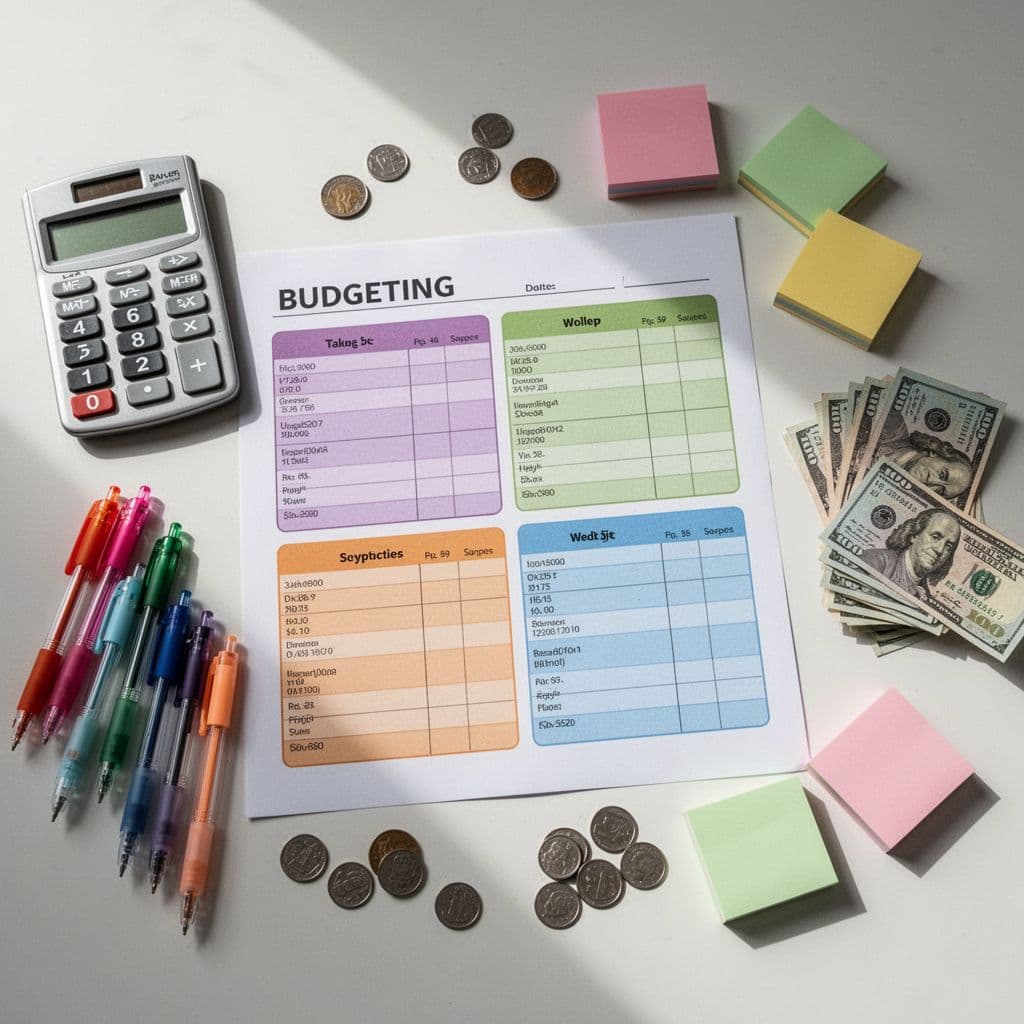
The word “budget” can make a teenager think, “Here comes a long speech about what I can’t buy.” Try calling it a spending plan instead. A spending plan says, “You get to decide what matters most to you,” which fits right in with budget basics.
Start with money your teen receives regularly. That might be pay from a part-time job, an allowance, babysitting money, cash gifts, or earnings from yard work. Use a notes app, a notebook, or a simple sheet of paper. Fancy tools aren’t required.
Ask them to divide incoming money into a few categories:
| Category | What It Covers | Example |
|---|---|---|
| Spend now | Everyday wants and planned fun | Coffee, games, clothes |
| Save | A goal or future need | Concert ticket, laptop, car fund |
| Give or share | A cause, gift, or family need | Birthday gift, community drive |
| Expenses | Costs they are responsible for | Phone bill, gas, activity fees |
The amounts can be flexible. A teen with $20 a week won’t divide it the same way as a teen earning $200 from a part-time job. What matters is that they decide before the money disappears.
A realistic household activity is a “weekend plan” challenge. Give your teen a set amount for an outing, meal, or event. Let them research costs, make choices, and keep track of what remains. If they spend it all before dessert, resist the urge to rescue the plan. That little disappointment can teach more than a lecture.
Ask afterward, “Would you make the same choices next time?” That one question invites reflection without turning a fun day into a financial interrogation.

Make Saving Feel Personal, Not Punishing
Saving money is hard when the reward feels far away. A teen is more likely to save for clear savings goals they can picture, name, and get excited about. A pair of shoes, a trip with friends, a first car, college supplies, or moving-out expenses all count as they work toward broader financial goals.
Help them choose one short-term goal and one longer-term goal. Then make progress visible. A paper tracker on the refrigerator may work for one teen. Another may prefer watching a designated savings account balance grow on their phone while learning how compound interest works over time.
For example, if a teen wants $300 for a concert trip in six months, help them break it down. Saving $50 a month feels more possible than staring at a $300 number. If they earn irregular amounts, they can choose a percentage instead, such as saving 25% of every payment.
Don’t make saving only about purchases. Include building an emergency fund when it fits. Even $25 set aside can help a teen understand the comfort of having a backup plan while mastering basic money management.
Resources on financial literacy for teens and young adults often center earning, saving, spending, and credit for a reason. These choices connect, and learning how to balance when to spend and save helps young adults build lasting confidence. A teen who saves for a goal is less likely to feel pressured to borrow for every want.
Let Teens Earn, Decide, and Contribute
Earning changes how money feels. A teen who spends two hours working for $30 often thinks differently about a $30 purchase. That doesn’t mean every household task needs a price tag. Chores can still be part of contributing to family life.
You can separate normal responsibilities from paid opportunities. Keeping their room tidy may be expected. Washing the family car, helping organize a garage sale, pet sitting, tutoring younger students, taking on an extra project, or even securing a first part-time job may be a way to earn.
When teens start earning, they learn how to carefully weigh needs versus wants before handing over their cash. They figure out how to balance how they spend and save while working toward meaningful financial goals.
Talk about the full picture of work. Practical financial advice involves asking your teen to consider time, transportation, taxes, and whether a job affects school, rest, or activities. A paycheck is exciting, but exhaustion isn’t a badge of honor.
This is also a good time to discuss giving. Your teen may care about helping a friend, supporting a local drive, buying a thoughtful gift, or donating to a cause. Giving doesn’t have to be large to be meaningful. It teaches that money can support values, not only wants.
Strong teen money habits grow when a teen connects dollars to effort, choices, and purpose. Building this financial responsibility fosters essential money management skills that shape lifelong healthy financial habits.
Cover Banking, Debit, Credit, and Borrowing Without Fear
A bank account can feel grown-up and confusing at the same time. If your teen is ready, sit down together and review how bank accounts work, including the basics of a checking account and a savings account. Explain how deposits, withdrawals, account balances, bank statements, and fees work.
Show them how to check a balance before spending as part of developing healthy spending habits. Help them review one monthly statement. Point out any recurring charges. A free trial that turns into a subscription is a real-life lesson waiting to happen.
A debit card uses money already in the account. A credit card uses borrowed money that must be repaid. That difference needs to be clear before a teen gets either card.
Credit isn’t free money. If a balance isn’t paid by the due date, interest and fees may be added, and compound interest can quickly make a small debt much larger. Borrowing can be useful for planned needs, but it becomes stressful when payments are ignored or when someone borrows for things they can’t afford, which ultimately harms their credit score.
You might say, “If you use a credit card, how will you pay for what you bought before the bill is due?” Let them answer. Then talk through the plan.
Avoid using fear as the teacher. Clear information works better for young adults who are learning essential money management skills. Your teen doesn’t need every detail about complex financial concepts today. They do need to understand that borrowed money comes with a promise to repay it, and that these early lessons protect their financial future.

Practice Safe Spending Online
Online payments are convenient, but convenience can make spending feel invisible. A saved card, a one-click checkout button, mobile banking apps, or digital wallets can move money in seconds, which often leads to impulse purchases and hard-to-break spending habits.
Set family rules before there is a problem. Your teen should know not to share passwords, card numbers, PINs, verification codes, or banking login details. Remind them that a real bank won’t ask for a one-time security code through an unexpected text or direct message.
Show them how to pause when a deal feels urgent. Scammers often use pressure, fear, or excitement: “Your account is locked.” “You won’t have another chance.” “Pay now.” “Send this code.”
Make it normal to ask, “Does this message make sense?” Teach them to review their primary checking account and monitor their connected bank accounts regularly as a core part of responsible money management. They should go directly to the official app or website instead of using a link in a message, and they must always confirm payment details before sending money to a friend.
A helpful rule is simple: Slow down before money goes out. Thirty seconds of checking can prevent a stressful mistake.
Let Mistakes Become Part of the Lesson
Your teen may overspend funds from a part-time job, forget a subscription, lend money that doesn’t come back, or buy something they regret. These moments are frustrating. They are also part of learning.
Don’t rush to fix every outcome. If the consequence is safe and manageable, let it be real. A teen who drains their savings account too early may need to wait until the next payday. That is different from leaving them without food, transportation, or basic needs.
Afterward, keep the conversation simple. Ask what happened, what surprised them, and what they want to change. Skip “I told you so.” Shame can make teens hide problems, while this kind of practical financial education helps young adults build strong financial responsibility for their financial future.
The healthiest teen money habits aren’t about never getting it wrong. They rely on guidance like gentle financial advice to improve personal finance, shape healthy financial habits, and master overall money management so they learn how to spend and save wisely.

Frequently Asked Questions
How can I introduce a budget to my teenager without making them feel restricted?
Instead of using the word budget, try calling it a spending plan so your teen feels like they have control over their choices. Encourage them to divide their regular income into simple categories like spending, saving, sharing, and expenses before the money disappears.
What is the best way to help a teenager start saving money?
Saving works best when teens connect their efforts to clear and exciting goals they actually care about, such as a concert ticket or a first car. Breaking a larger target down into smaller monthly amounts or percentages makes steady progress feel achievable.
How should I handle it if my teenager makes a money mistake?
Allow them to experience safe, manageable consequences from overspending or forgotten subscriptions instead of immediately fixing the problem. Use the moment to ask gentle questions about what happened and what they want to change next time without judgment or shame.
A Strong Start Matters More Than Perfection
Teaching money at home isn’t about raising a teen who tracks every penny or never enjoys a treat. It’s about helping them build a relationship with money that is thoughtful, steady, and grounded in their values.
As you focus on shaping positive teen money habits, remember that everyday practice establishes a strong foundation in personal finance. Through guided experiences, they can learn to prioritize their financial goals, embrace financial responsibility, and build lasting financial habits.
Give them chances to earn, plan, save, spend, ask questions, and recover from small mistakes. When you combine those everyday moments with effective money management, you provide steady guidance that will protect their financial future for years to come.