Saving for a Down Payment While You Pay Rent
Rent can take a big bite out of your paycheck, and homeownership can feel far away. Renting and planning for a future home can coexist. Your goal to save for down payment money can start with a realistic cash target.
You don’t need a 20% down payment to buy a home. You do need a clear target, a steady plan, and enough breathing room to keep an emergency from turning into a credit card balance. Start where you are, then build from there.
Key Takeaways
- Set a realistic savings target that includes the down payment, closing costs, moving expenses, setup costs, and a separate emergency fund.
- Build your plan around take-home pay, current rent, debt payments, essential expenses, and a consistent automatic transfer to your home fund.
- Keep money needed within the next few years in lower-risk options, such as an FDIC-insured high-yield savings account, rather than relying on market returns.
- A 20% down payment is not the only path to homeownership; conventional, FHA, VA, and USDA loans may offer lower- or zero-down options for eligible buyers.
- Research down payment assistance programs before ruling them out, and verify current income limits, credit requirements, loan terms, and purchase restrictions.
How to Build a Down Payment Fund While Renting
Before cutting every coffee, set a number that reflects the home you may buy. Your down payment is only one part of the cash you will need.
Use a home price range that fits your expected monthly mortgage payment, property taxes, insurance, and debt-to-income ratio. Then price out the full upfront picture, including closing costs.
Here is a planning example for a $300,000 home. These are sample numbers, not a lender quote.
| Upfront cost | 3% down plan | 5% down plan |
|---|---|---|
| Down payment | $9,000 | $15,000 |
| Estimated closing costs | $7,500 | $7,500 |
| Inspection, moving expenses, and setup costs | $2,500 | $2,500 |
| Total savings goal | $19,000 | $25,000 |
Closing costs can include lender fees, title charges, prepaid insurance, property taxes, and an appraisal. You may also need cash for a home inspection, utility deposits, movers, and the little things that add up fast after move-in day.
Keep your emergency fund separate from your house fund. A down payment is not a reason to empty every savings account you have.
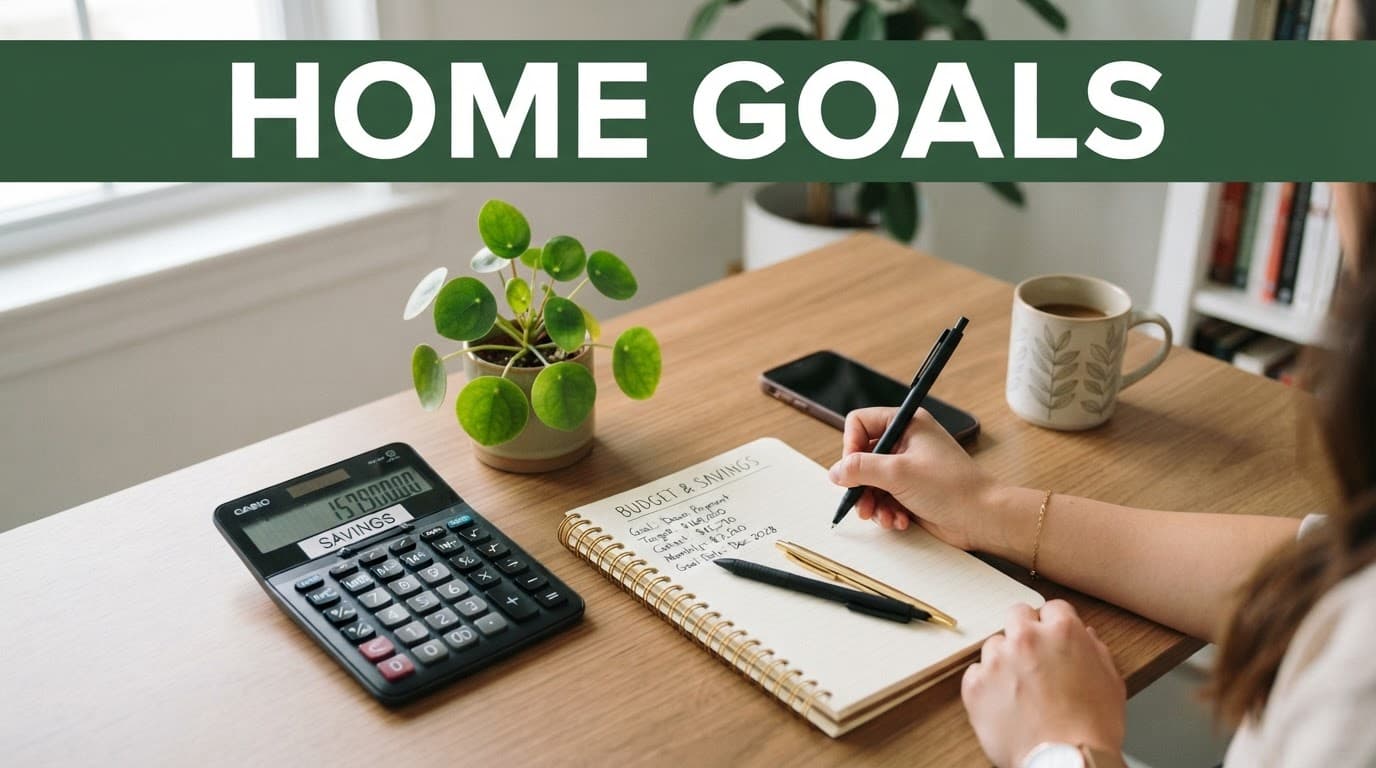
Once you have a goal, divide it by your timeline. Saving $19,000 over 30 months means putting away about $633 each month. That number may stretch you. It also gives you something honest to work with.
A smaller down payment can get you into a home sooner, but it should not leave you without money for an emergency after closing.
Give Your Rent, Debt, and Savings a Job
Paying rent while saving is not proof that you are behind. Rent pays for the roof over your head today. Your home fund builds choices for tomorrow.
Start with your take-home pay, not your gross salary. Review the last three months of spending, including annual bills, birthday gifts, co-pays, takeout, and subscriptions you forgot were still drafting. If you need a fresh start, these simple steps to build your budget can help you assign every dollar a purpose.
A workable budget gives your cash flow four priorities:
- Your current needs, including rent, groceries, transportation, and minimum debt payments.
- An emergency fund for car repairs, medical bills, or an unexpected gap in work.
- Extra debt repayment, especially for high-interest credit card balances.
- A consistent transfer to your future home fund.
Here is what a sample budget plan could look like on $4,800 in take-home income.
| Monthly category | Amount |
|---|---|
| Rent and utilities | $1,850 |
| Food, transportation, insurance, and phone | $1,050 |
| Minimum debt payments | $400 |
| Personal spending and giving | $350 |
| Emergency savings | $250 |
| Down payment savings | $550 |
| Buffer for irregular expenses | $350 |
| Total | $4,800 |
This plan is not personalized financial advice. It is a reminder that a budget can hold more than one dream at a time.
If your debt carries expensive interest, use raises, tax refunds, or side hustle income to make extra payments. Lower debt can improve your debt-to-income ratio and free up monthly cash later. Still, don’t pause your emergency fund completely while you pay down debt. Even a small automatic transfer keeps the habit alive.
Build a Home Fund That Works With Real Life
The best place for your home fund depends on when you expect to buy. If your timeline is under three years, a high-yield savings account is usually a practical home for this money. Choose an FDIC-insured bank, compare annual percentage yields, and check for monthly fees or transfer limits.
Certificates of deposit can work for money you will not need before their maturity date. Treasury bills may also fit a defined timeline. For a flexible goal that is five or more years away, some buyers consider diversified index funds. But market volatility can create losses when you are ready to make an offer. Money needed soon shouldn’t ride a roller coaster.
Set up automatic transfers on payday and direct them to a high-yield savings account. Treat each deposit like rent, not like leftovers.
If your income changes monthly, perhaps from a side hustle, budget around your lowest dependable month. During stronger months, use a written rule as part of your savings strategy. After setting aside taxes, send half of the remaining freelance income to the house fund. Send a quarter to debt and a quarter to your cash reserve or upcoming bills.
To build your home fund without feeling deprived, look for changes that are temporary and meaningful:
- Move one recurring expense, such as unused subscriptions or delivery fees, straight into your home savings.
- Send bonuses, refunds, cash gifts, and overtime pay to the goal before it blends into everyday spending.
- Pick one manageable side hustle that fits your season, such as tutoring, virtual assistance, selling unused items, or weekend work.
- Make savings visible with a tracker, a separate account name, or a shared goal conversation with your partner.
A structured challenge can add a little momentum, too. Try the 26-week money challenge when you need a simple way to build your savings muscle.
Choose a Down Payment Option That Fits Your Numbers
Twenty percent down can remove private mortgage insurance, or PMI, on a conventional loan. PMI protects the lender if the borrower stops making payments. It is not a fee that protects your home or belongings.
Still, a 20% down payment is not the only path to homeownership. Qualified first-time home buyers may find conventional loan programs with as little as 3% down, though 5% is common. An FHA loan typically requires 3.5% down with a credit score of 580 or higher. Borrowers with scores from 500 to 579 may need 10% upfront.
A VA loan can offer zero-down financing for eligible veterans, active-duty service members, and some surviving spouses. USDA loans may also offer zero-down options for eligible buyers and properties in qualifying areas.
A lower down payment means you may pay PMI on a conventional loan or mortgage insurance on an FHA loan. Ask your lender to model the FHA loan option and show the full monthly payment at 3%, 5%, 10%, and 20% down. Also ask about monthly PMI, upfront PMI, and lender-paid options, which can come with a higher interest rate.
Mortgage rates matter here, too. A higher interest rate can reduce how much home your budget can comfortably hold. Get updated estimates before you make big decisions, because rates, loan limits, underwriting requirements, and the housing market can change.
Look for Down Payment Assistance Before You Rule It Out
Down payment assistance may come as a grant, forgivable second loan, deferred-payment loan, or matched-savings program. Many programs require a homebuyer education course, income eligibility, a minimum credit score, or a purchase in a certain area.
Start with your state housing finance agency, then check your county and city housing department. The Maryland Mortgage Program home loan options are one example of a state program offering loans for eligible buyers.
Local help can make a real difference. MassHousing down payment assistance may provide up to $30,000 for qualifying first-time home buyers. In Philadelphia, the Philly First Home grant offers up to $10,000 or 6% of the purchase price, whichever is lower, for eligible applicants.
Program eligibility, mortgage requirements, current loan terms, and purchase limits vary by location and lender. Verify current limits, income rules, lender requirements, and program availability before treating assistance as part of your final plan.
Think Carefully Before Using Retirement Funds
A traditional IRA has a first-time homebuyer exception that may let you withdraw up to $10,000 without the usual 10% early-withdrawal penalty. Income tax may still apply, while Roth IRA contributions can generally be withdrawn tax-free, though earnings have stricter rules.
A 401(k) loan may be available through a retirement account if your plan allows it, but it must be repaid and can create problems if you leave your job. Retirement funds can help in a true pinch, but they should not be your first source of home-buying cash. Talk with a tax professional and mortgage lender before making that move.
Frequently Asked Questions
How much should I save for a down payment?
Your target should include more than the down payment itself. Plan for closing costs, inspections, moving expenses, initial setup costs, and a separate emergency fund.
Do I need 20% down to buy a home?
No. Some conventional loans may require as little as 3% down, while FHA loans typically require 3.5%; eligible buyers may also qualify for zero-down VA or USDA loans. Lower down payments can mean PMI or other mortgage insurance costs.
Where should I keep money I am saving for a home?
If you expect to buy within three years, a high-yield savings account at an FDIC-insured bank is usually a practical option. Certificates of deposit or Treasury bills may also fit a defined timeline, while investments can lose value when you need the money.
Should I pay off debt or save for a down payment first?
Keep building an emergency fund while making consistent home savings transfers, but prioritize high-interest debt when possible. Lower debt can improve your debt-to-income ratio and free up cash for homeownership later.
Can down payment assistance help me buy a home?
Many state and local programs offer grants, forgivable loans, deferred-payment loans, or matched savings for eligible buyers. Requirements vary, so check housing agencies and verify current income, credit, location, lender, and purchase limits.
Your Home Goal Can Start With One Transfer
You don’t have to save every dollar overnight. You need a target that includes your down payment, upfront purchase fees, and a budget that respects your current rent.
A home fund grows through small choices, steady deposits, and honest adjustments. Each transfer toward your home fund helps make room for the future home you want.
Responsible homeownership may gradually build home equity as you repay principal, but property values can change.