
What Are the Biggest Mistakes to Avoid During a Kitchen Remodel?
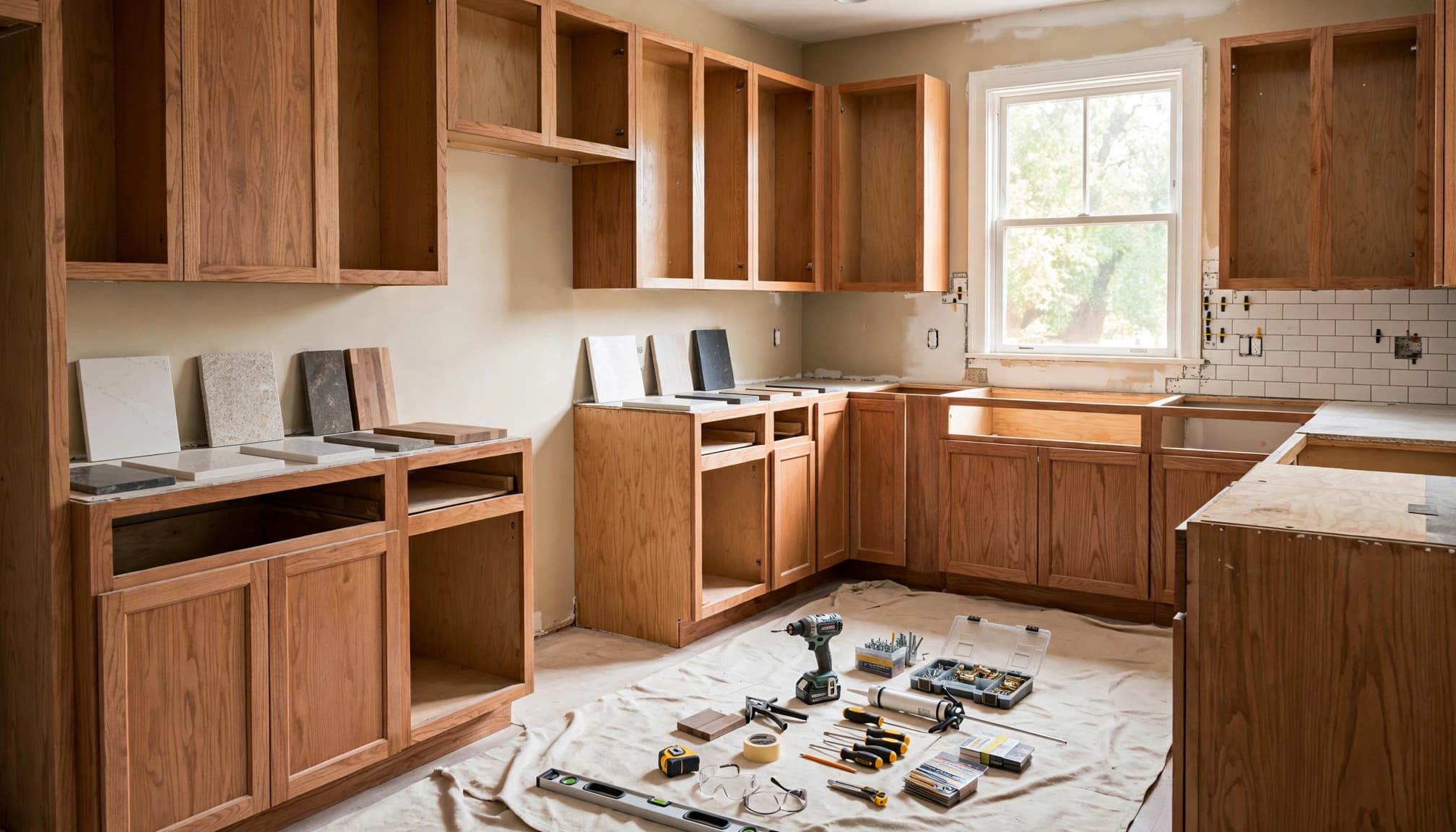
The biggest mistakes to avoid during a kitchen remodel include setting an unrealistic budget, choosing appearance over functionality, overlooking storage, selecting unsuitable materials, and making major decisions before the design is finalized.
The San Fernando Valley lies within Los Angeles, California, and includes communities such as Chatsworth, Reseda, and North Hollywood. Many homes in the area have different kitchen layouts and renovation needs, making it important to consider the existing space, storage, and functionality before choosing new fixtures or finishes.
If you are planning a kitchen renovation in the area, reviewing these kitchen remodeling mistakes to avoid can help you recognize common pitfalls before work begins. Learning what to avoid early can make it easier to plan your budget, choose suitable materials, and make informed remodeling decisions.
Here are the biggest kitchen remodeling mistakes to watch out for and how to avoid them during your renovation:
1. Underestimating the Budget
One of the most common remodeling mistakes is focusing only on the visible upgrades. Cabinets, countertops, and appliances are important expenses, but demolition, installation, plumbing, electrical work, permits, and finishing can also add significantly to the total.
Unexpected problems may emerge after old cabinets or flooring are removed. Water damage, uneven surfaces, or outdated wiring can require additional work before the new design can be installed.
Create a detailed budget that includes materials, labor, delivery, and installation. Set aside a contingency fund for unforeseen expenses, and ask contractors to explain which items are included in their estimates.

2. Prioritizing Appearance Over Function
A stylish kitchen can still be frustrating if the layout makes everyday tasks difficult. Beautiful cabinets do not solve the problem of inadequate preparation space, and a large island may become an obstacle if it restricts movement.
Think about how you use the kitchen before choosing a layout. Consider where you prepare food, store cookware, clean dishes, and access frequently used appliances.
Walkways should remain comfortable, and cabinet doors and appliances should open without creating unnecessary obstructions. If several people cook together, plan enough room for them to move safely around the space.
3. Ignoring Storage Requirements
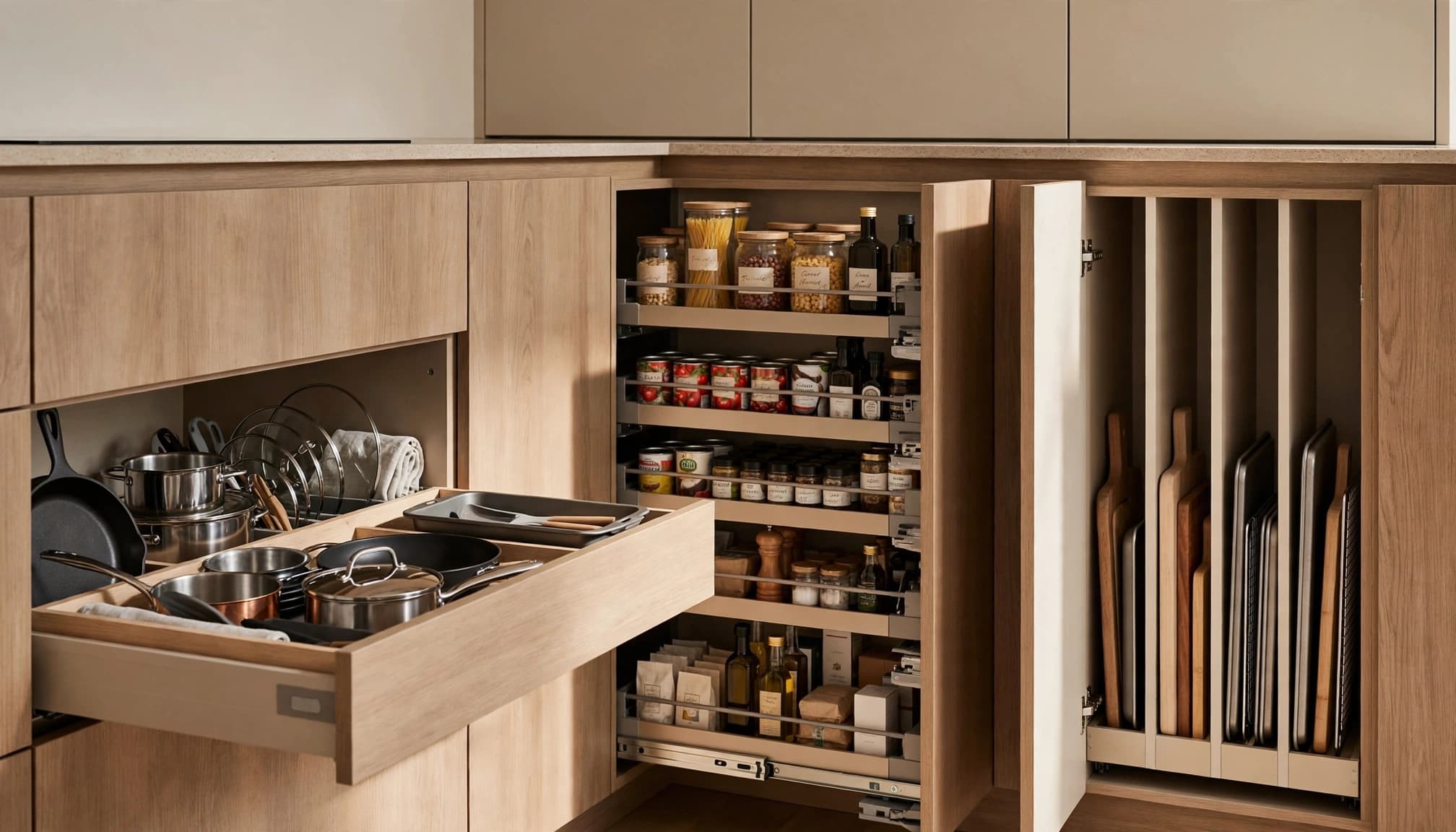
Insufficient storage can make a newly renovated kitchen feel cluttered almost immediately. Homeowners sometimes select cabinets based on their exterior appearance without considering how pots, pans, small appliances, pantry goods, and cleaning supplies will fit inside.
Before finalizing cabinetry, take inventory of the items you use regularly. Think about whether deep drawers, pull-out shelves, pantry cabinets, corner storage, or vertical dividers would make the space more practical.
When considering kitchen remodel regrets, inadequate storage is worth thinking about early because adding it later may require costly changes to the cabinetry or layout.
4. Choosing Materials Without Considering Maintenance
Materials should suit both the appearance of the kitchen and the demands of daily use. A surface that looks beautiful in a showroom may require more cleaning or maintenance than your household is willing to provide.
Compare countertops, flooring, cabinet finishes, and backsplashes based on durability, moisture resistance, stain resistance, and care requirements. Ask whether a material needs periodic sealing or special cleaning products.

5. Overlooking Lighting and Ventilation
Lighting affects both the atmosphere and usability of a kitchen. Relying on one ceiling fixture may leave preparation areas poorly illuminated, especially beneath upper cabinets.
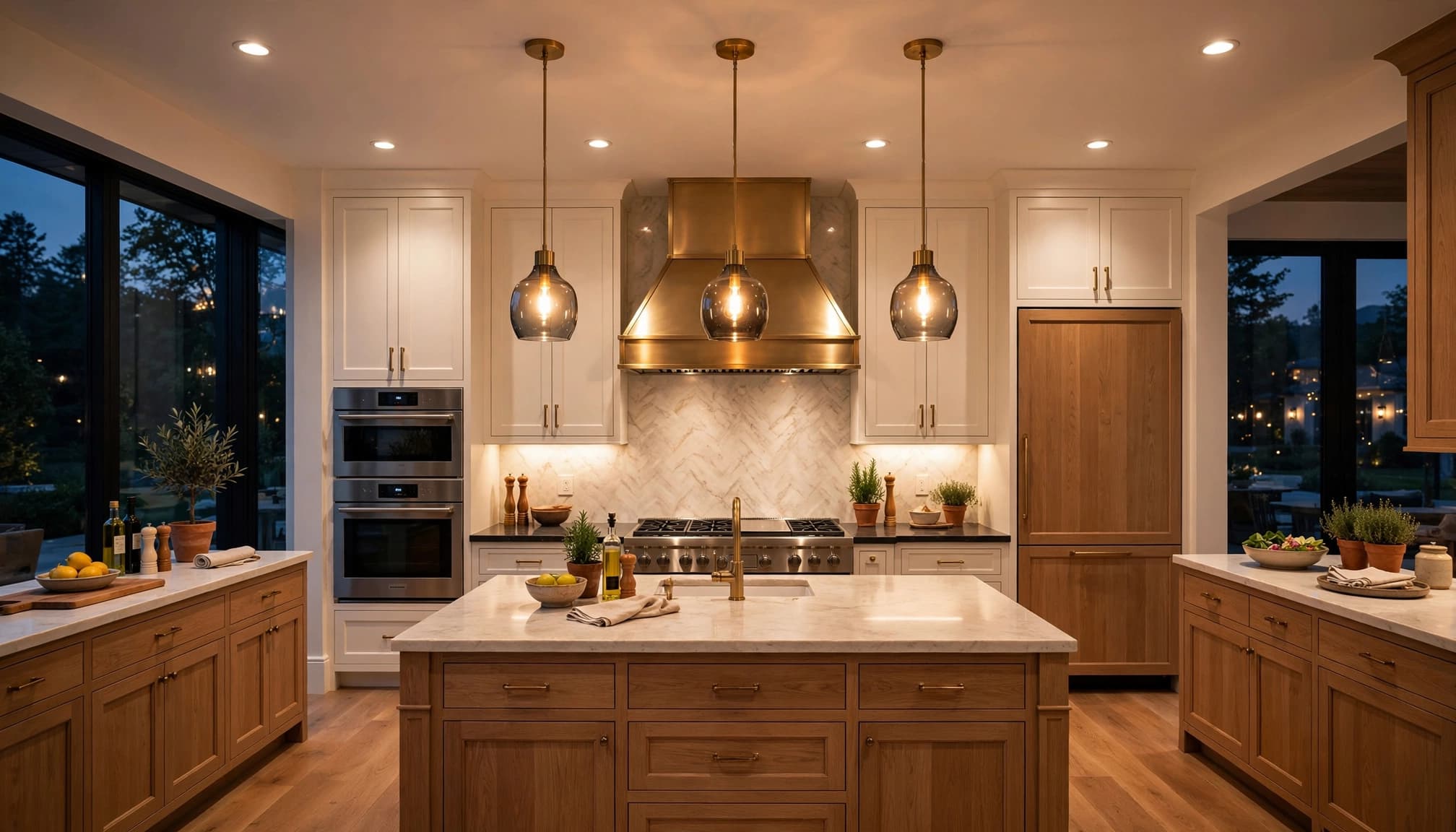
A better plan can combine general lighting with task lighting over countertops and other work surfaces. Pendant lights may add visual interest, but their placement should not interfere with sightlines or movement.
Ventilation deserves equal attention. Cooking produces heat, moisture, odors, and airborne particles. Choose a suitable ventilation system and confirm that its installation meets applicable building requirements.
6. Making Changes During Construction
Changing cabinet dimensions, countertop materials, appliance locations, or plumbing plans after construction begins can increase costs and delay completion. Some changes also require previously completed work to be removed or adjusted.
Finalize major design decisions before ordering materials whenever possible. Confirm measurements, appliance specifications, cabinet configurations, and finish selections with the relevant professionals.
If an unexpected issue requires a change, ask for the cost and schedule implications in writing before approving the work. This keeps everyone aligned and helps prevent misunderstandings.
Important Takeaways
- Create a realistic budget that includes labor, installation, and unexpected expenses.
- Design the layout around everyday cooking and cleaning habits.
- Plan sufficient storage before selecting cabinets.
- Choose materials based on durability and maintenance requirements.
- Include effective task lighting and suitable ventilation.
- Finalize major decisions before construction begins.
Plan Your Kitchen Remodel With Confidence
A successful kitchen remodel begins with careful planning long before construction starts. A realistic budget, functional layout and detailed storage plan can help you avoid expensive corrections later.
Take time to confirm measurements, materials, appliance specifications and lighting choices before placing orders. When unexpected issues arise, request written information about any additional costs or scheduling changes.
The finished kitchen should look inviting while making cooking, cleaning and storage easier. Thoughtful decisions made early can help you create a space that works well for your household for years.