How to Gain Experience in High-Pressure Healthcare Environments
Pressure in healthcare is something you don’t have to look for to find. It exists in most healthcare settings. Think of a busy ER at 11 p.m. on a Friday night. Or a crowded event where risk and danger increase. It may be a psychiatric unit during a new patient intake or a behavioral escalation, or a field response to a serious emergency.
For those looking to grow their skills, gaining experience in high-pressure healthcare environments can accelerate clinical judgment, communication, and confidence faster than almost any other setting.
There are multiple ways people are exposed to high-pressure environments in a variety of roles in healthcare settings. But if you’re looking for more experience than in your current role, we have just what you need to get the experience you’re craving.
Emergency Departments
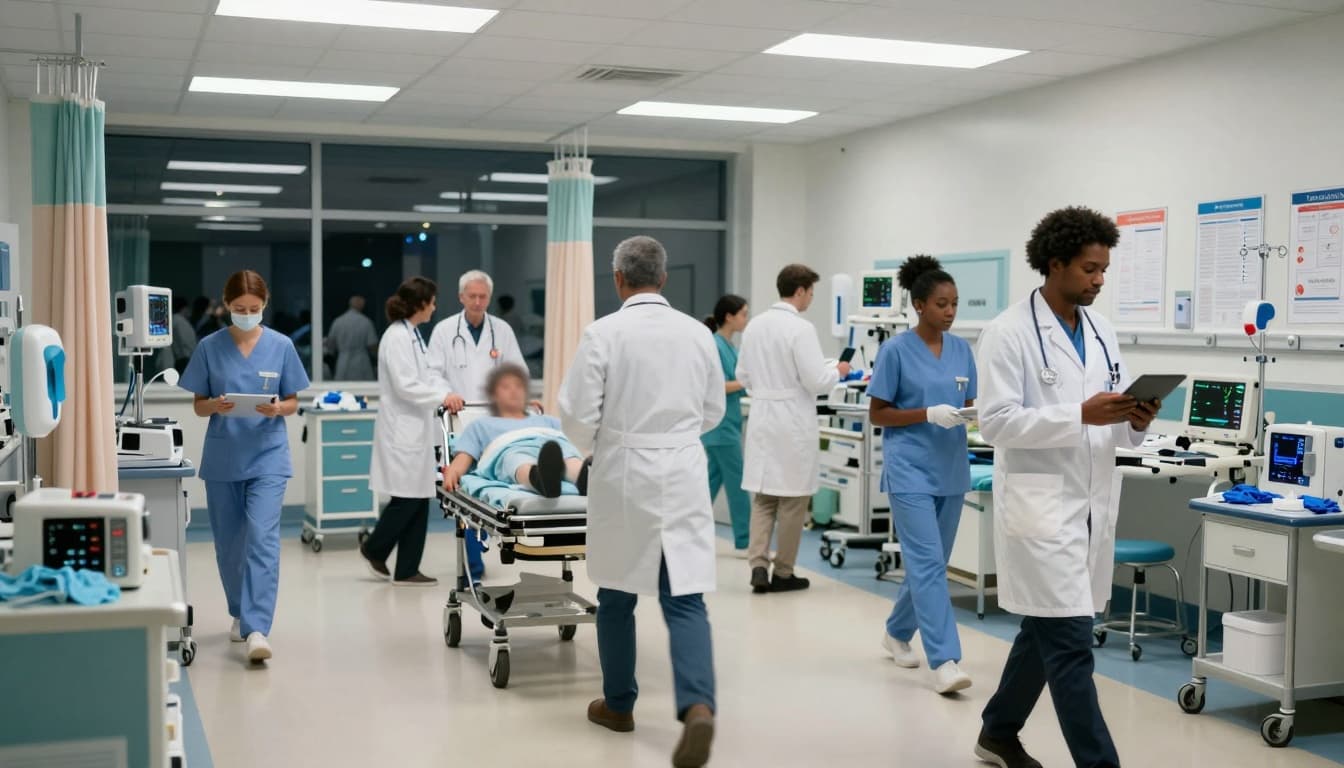
The ER teaches you speed and prioritization immediately; you won’t be eased in gently. Even entry-level roles place you directly in the flow of work. You may move patients, gather observations, assist with documentation, and answer questions you do not always have immediate answers to.
You’ll feel the pressure when things need attention at once, and someone is always waiting. This is standard for the ER, and you’ll quickly learn how things need to be done and how to triage your own actions, not just patients.
Ambulance Services and First Response Teams
Prehospital work removes most of the safety nets. You won’t have a full team, you won’t have perfect lighting, and you definitely won’t have time to “look things up.” Calls are unpredictable in this environment, and you need to be ready for every possible scenario.
Even volunteer responder roles need to be accurate; your communication needs to be concise, and paramedics will notice immediately whether you’re helpful or whether you’re slowing things down. This also gives you a better insight into life as a healthcare professional and shows the importance of “variety” in this particular field. A recent study found that variety was important for healthcare workers as it provides a counterbalance to the strict protocols and responsibilities you face every day. Working in an ambulance service means you encounter all sorts of patients and no two days are the same. If you’re seriously considering a career in high-pressure healthcare, then for your sake it needs to provide variety.
Large-Scale Events and Temporary Medical Units
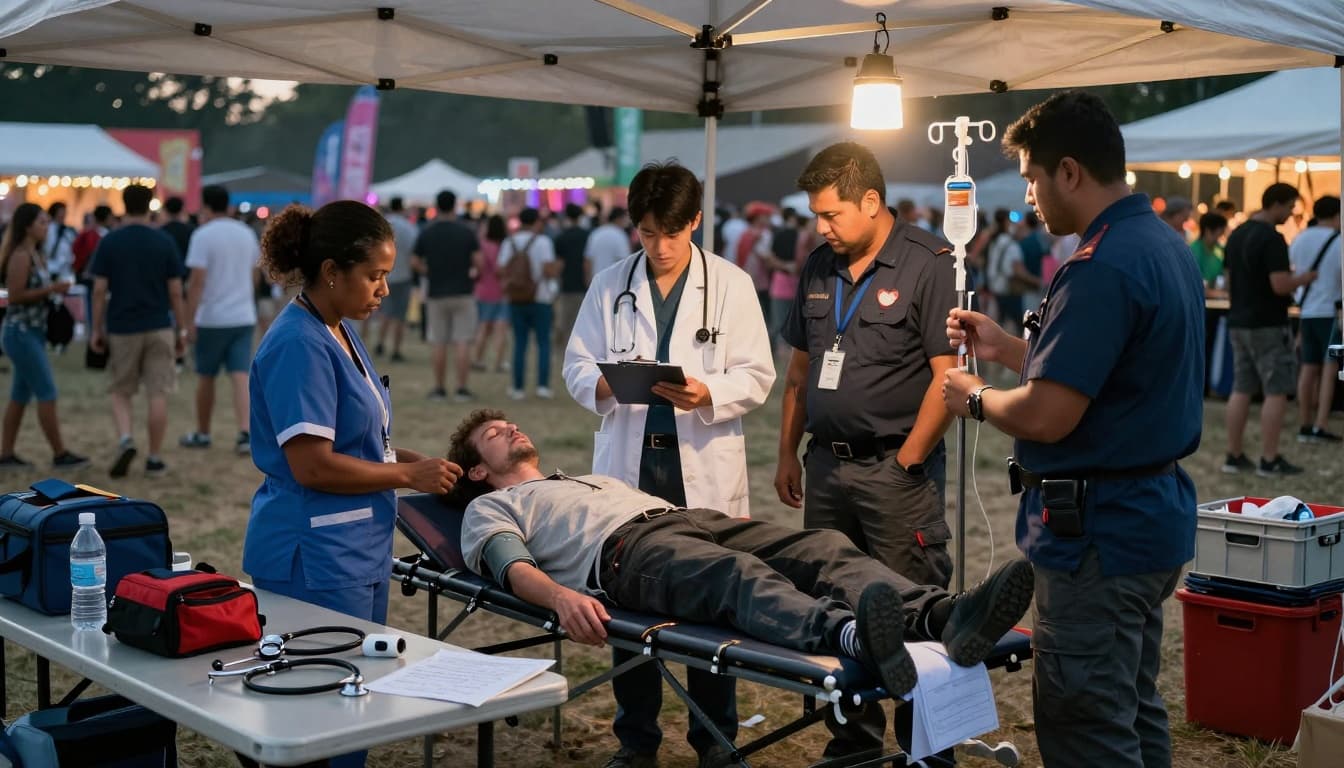
Event medicine feels chaotic because it is. Patient numbers can rise quickly. Presentations will be inconsistent and can range anywhere from heat illnesses to intoxication, injuries, anxiety, and poor decision-making.
Roles such as Burning Man event medical positions place you directly inside this kind of environment. You’re not observing, you’re assessing, you’re making calls about who needs escalation and who can safely leave. You learn quickly which assessments hold up under fatigue and noise and which ones don’t.
Intensive Care, High Dependency, and Acute Wards
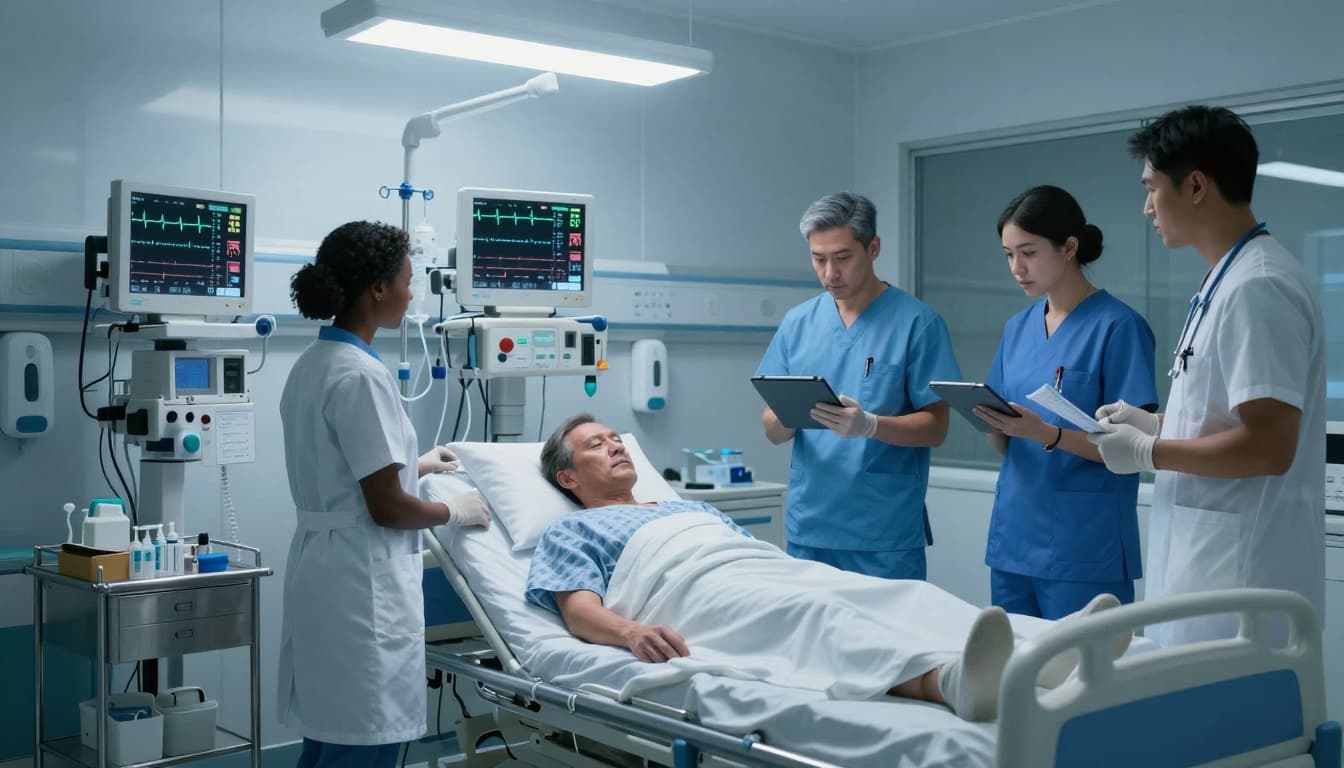
These settings require attention to detail. You will be watched not because people are trying to catch you out, but because mistakes here matter immediately.
Even in support roles, you are close to critical moments. This includes repositioning ventilated patients, assisting with procedures, updating documentation that doctors depend on, and supporting families under extreme pressure. You either become precise, or you become overwhelmed. There’s no middle ground here.
Correctional Healthcare
Correctional healthcare can be extreme; it can feel dangerous, and it most definitely presents you with environments and situations outside the run-of-the-mill things. Patients will not always trust you or like you. Some will test boundaries. Others will present with genuine medical concerns, while a few may create disruption or act out as a way to assert control.
In these environments, you must learn to assess patients without judgment. You also need to care for individuals who may be challenging, while reinforcing boundaries without becoming cold or detached. This skill set transfers easily to other areas of care, including emergency medicine, mental health treatment, and community-based roles.