
The Importance Of Starting Good Oral Care Early With Your Kids
As with many habits in life, the earlier we tend to start taking care of our teeth, the better we tend to be at it as we grow older. Establishing those healthy routines and the right care not only helps you protect your children’s teeth, but it also teaches them the value of looking after themselves in general. Children who do not have consistent oral care habits when they’re younger can often have a hard time maintaining them as adults, as well. Here, we’re going to look at how you can build those habits and why they’re so vital.
Building Health Habits
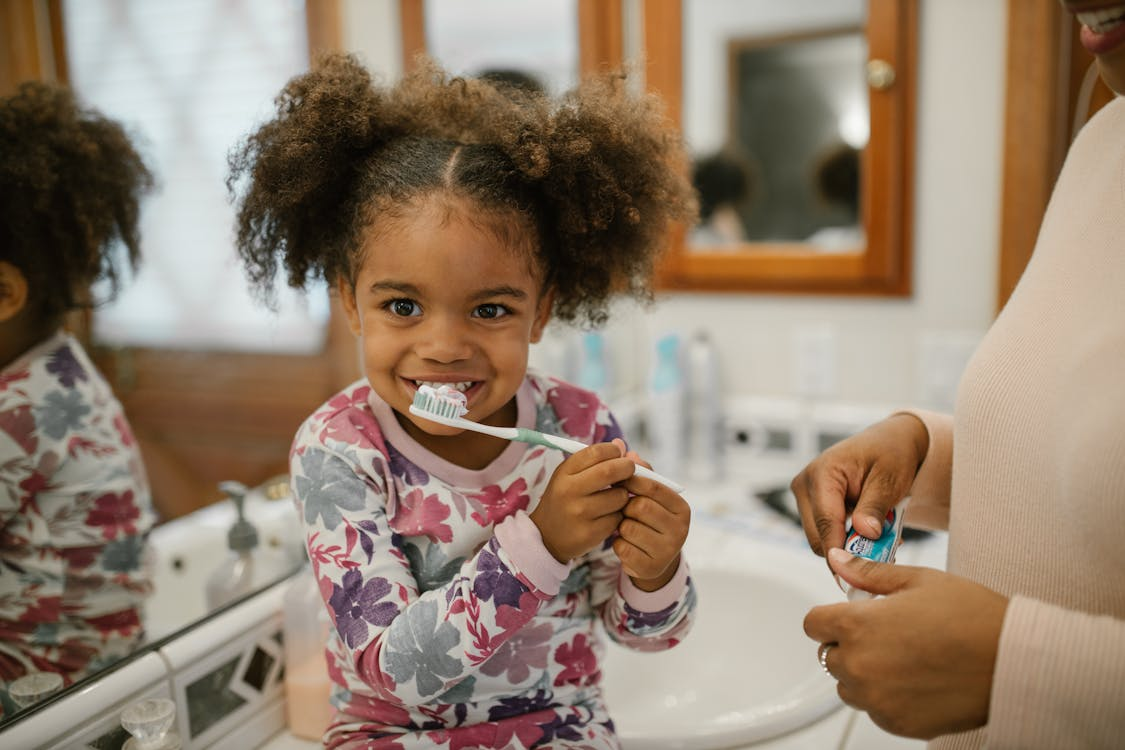
The first and one of the most important steps is that you introduce healthy oral hygiene habits early and consistently. They’re a lot more likely to keep up with brushing twice daily, following proper techniques, if they’re made to feel like a normal part of everyday life, rather than a chore. Given that children tend to copy the adults in their life, brushing alongside them as part of the morning and bedtime routine when they’re able to start holding their own brush can also help them shape a more positive attitude towards oral care, rather than feeling like it’s something they’re made to do alone. Starting early also gives children time to become comfortable with brushing, flossing, and regular dental visits before bad habits begin to form. Consistency is particularly important during early childhood, as the routines established now become a lot easier to maintain as they get older.
Preventing Cavities And Tooth Decay
One of the most common childhood health concerns of all, tooth decay is a lot more preventable than we give it credit for. Teaching your child the potential risks of sugary snacks and drinks and how they contribute to cavities is important. Some parents underestimate the importance of caring for baby teeth because they eventually fall out, but these teeth still play a major role in eating, speaking, and guiding adult teeth into place. Developing strong brushing and flossing habits early helps prevent the issues with plaque that can lead to tooth decay and the pain associated with it.
Making Dental Appointments
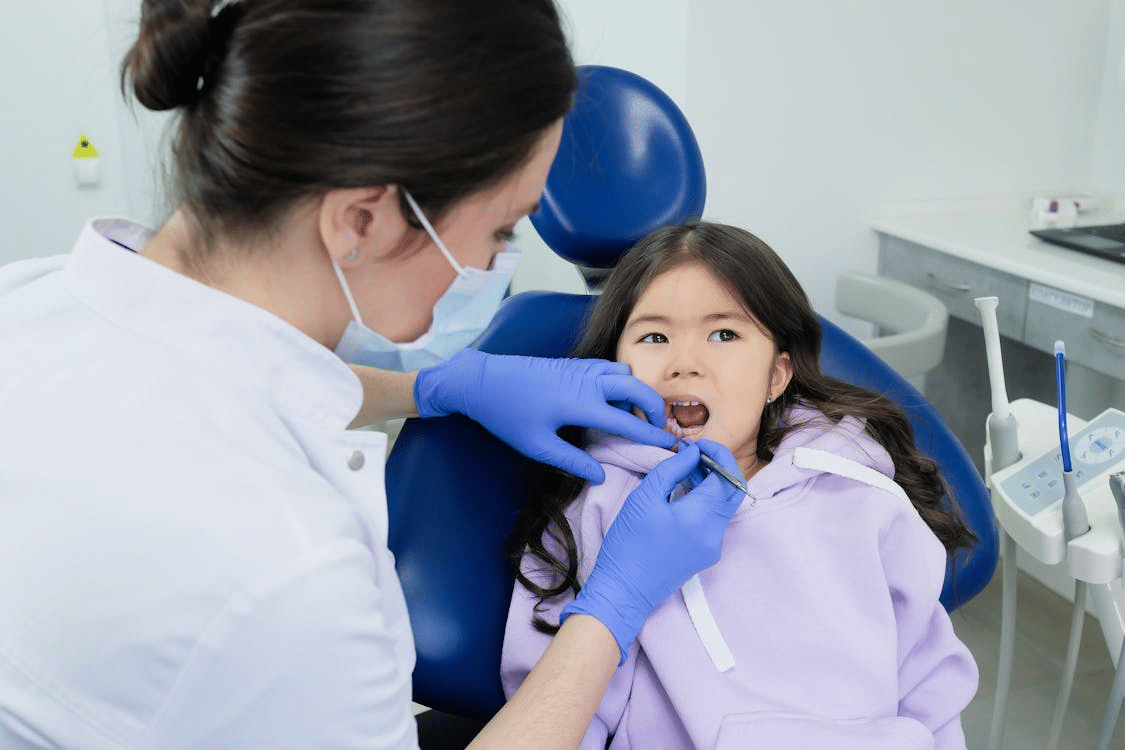
The sooner that your child becomes familiar with the dentist, the less likely they are to be anxious about appointments further down the line. Introducing them to dental care in a cal mand positive manner, such as taking them to the dentist’s office before their first appointment to help them get to know the environment, can help them be more comfortable with routine checkups, and normalize the idea that visiting the dentist is a regular part of staying healthy. Routine appointments not only help to spot and prevent issues from developing down the line, but they make sure that dental appointments aren’t wholly associated with painful oral health issues or lengthy treatments.
Monitoring Alignment And Jaw Development
Your children’s teeth are an important part of their healthy development, and keeping an eye on how they’re growing in can help you prevent problems down the line. Although commonly associated with the teenage years, alignment issues such as overcrowding, bite problems, or uneven jaw growth can first start to manifest in childhood, even before all of their adult teeth appear. Identifying these issues early with the help of an orthodontic practice can help you know what your options are. By addressing them early after they grow their adult teeth, you stop alignment issues from getting more severe over time, which can make the resulting treatments take even longer to complete.
Supporting Speech And Eating Development
Our teeth are good for a lot more than giving up a nice, bright smile. Oral health plays an important role in speech development, chewing, and overall comfort during childhood. Dental pain, missing teeth, or untreated oral issues can sometimes affect how children pronounce words or eat certain foods comfortably. As such, good oral care is just as much about supporting healthy eating and speech habits without discomfort. Paying attention to their speech development can highlight issues with their teeth that we might not otherwise notice, as does noticing any changes in their eating habits.
Teaching Responsibility And Independence
While parents should certainly be there to teach, monitor, and correct oral health routines while your child is still learning, at some point, it’s important to give them the reins, helping them develop responsibility for their own health and hygiene. When you have taught them how to brush and floss, you should give your child more and more room to manage these habits independently. Creating consistent routines teaches accountability and helps children understand the importance of taking care of their bodies every day. Encouraging independence around oral hygiene can also improve confidence and create a sense of structure in their daily lives. Of course, if they stumble along the way, getting out of the habit or adopting bad practices, then you should step in and correct them. However, giving them the freedom to maintain their own health makes them a lot more likely to keep doing it as they grow, as well.
Protecting Their Long-Term Overall Health
One of the most important reasons to teach your children the importance of good oral health is just how widespread its impact can be in other areas of our health, as well. Aside from reducing cavities and helping our teeth develop healthily, good oral hygiene prevents infections, which can get dangerous and even potentially life-threatening in some scenarios. Heart health is also closely tied to oral health, as people who experience issues like gum disease are also more likely ot have heart trouble. Good oral care also helps maintain good mental health and self-esteem, too. People who have problems with decay, discoloration, and missing teeth can feel its impact on their self-esteem, after all. So, consider oral health care a part of overall self-care, too.
Your child’s oral health isn’t really something that you want to take any chances with, given how it can affect their health and overall well-being well into adulthood. Give it the focus it deserves while they’re still children.