
What’s Really in Your “Clean” Products? A Real-Life Guide to Reading Labels Without Panic
Everyday products labeled as “clean” or “natural” often appear trustworthy at first glance. But a closer look at the ingredient label can raise questions. Many brands rely on unclear language, vague claims or legal loopholes that allow them to market products as safer than they are. This guide explains how to read those labels without overreacting, or being misled.
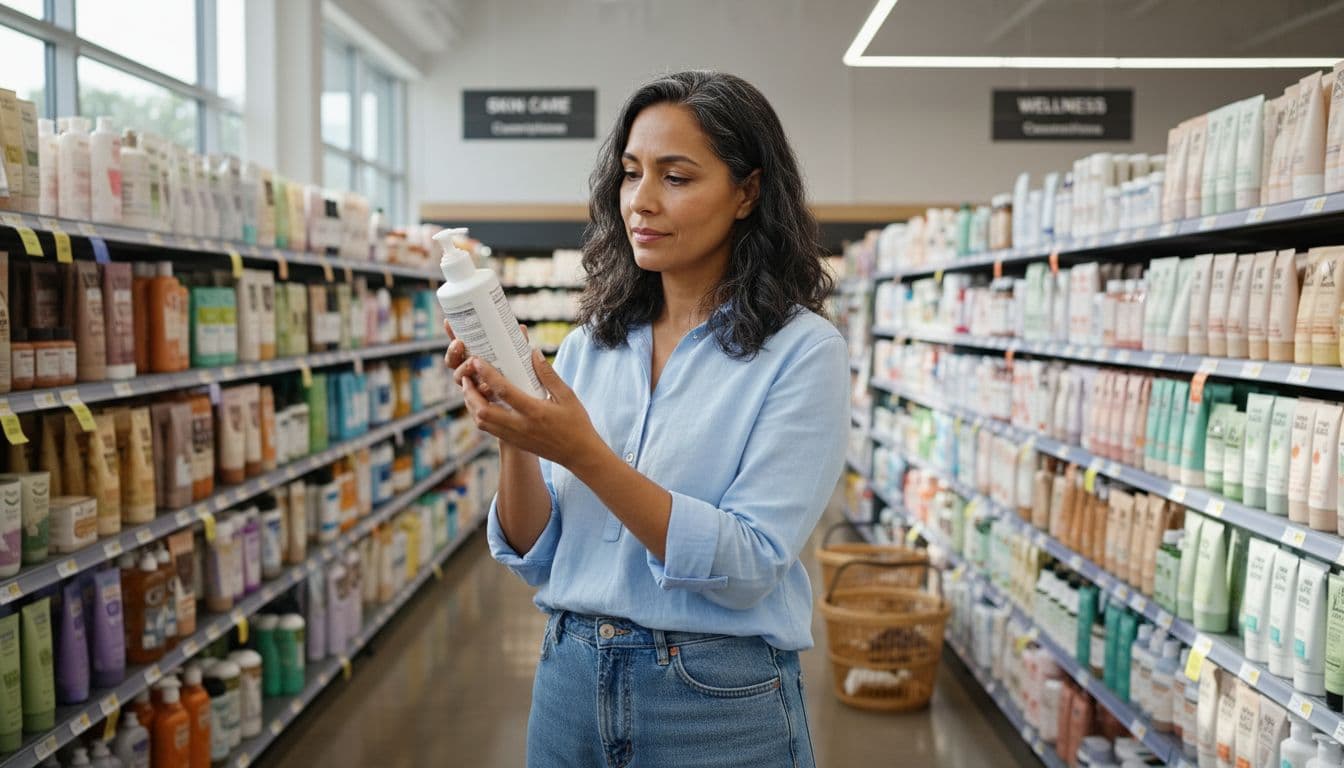
“Fragrance” and “Proprietary Blend” on Label
The term “fragrance” typically means a blend of undisclosed ingredients. Since fragrance formulations are protected by trade secrets, companies do not have to provide the actual ingredients in a fragrance.
Another way to conceal information is through the term “proprietary blend”. Proprietary blends can contain plant extracts, synthetic compounds, or other additives and stabilizers. Although proprietary blends are not inherently unsafe, their lack of transparency causes problems for consumers who have sensitivities or would prefer to avoid certain ingredients.
Identifying Greenwashing Through Marketing Claims
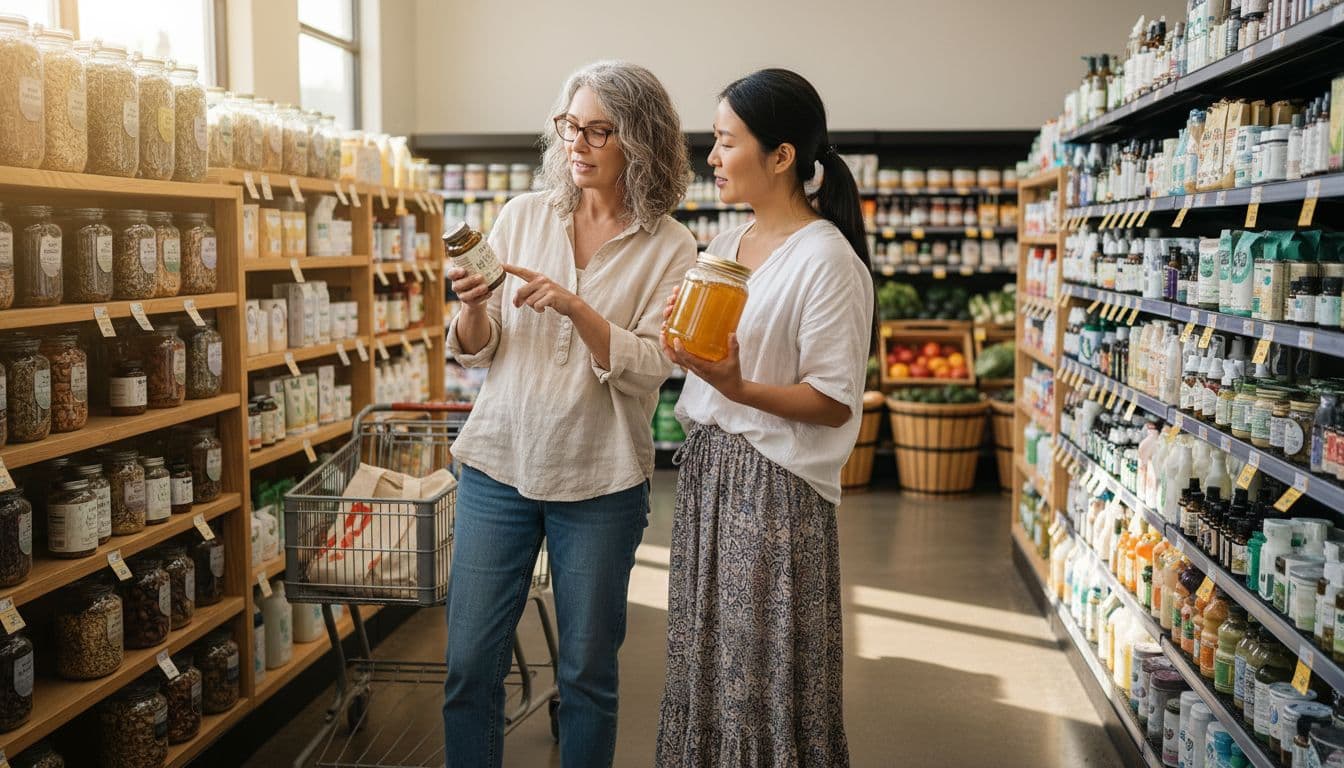
Greenwashing occurs when a company uses misleading terminology to create the illusion of safety or environmental responsibility. Labels using terms such as “eco-friendly, “” non-toxic,” or “chemical-free” are generally unregulated. The presence of these terms does not guarantee safety nor extensive testing. Many products labeled as “natural” can still contain synthetic preservatives and surfactants.
Although certifications like USDA Organic, EWG Verified, or NSF/ANSI 305 are considered to be more trustworthy measures, they are limited to the type of products to which they are applied. Therefore, without such a certification, consumers will need to rely more heavily on the ingredient list rather than the front-of-pack marketing language.
Practical Checklist When Choosing Products
Using a consistent process when reading labels will help to reduce confusion. Begin by viewing the entire ingredient list, not just the portion of the list displayed on the front. Instead of viewing the ingredients described on the front of the packaging, look for the full name of each chemical. Take the time to research unfamiliar ingredients, rather than making assumptions regarding their safety or risk.
Do not purchase products that display fragrance or parfum without further explanation. Choose products that demonstrate transparency. Brands that voluntarily disclose every ingredient in their products, including those in fragrances and preservatives, typically develop more comprehensive formulation processes. If you are looking for a third-party verified claim, choose this over a seal created by the brand itself.
When Third-Party Lab Testing Makes a Difference
Third-party laboratory verification provides a critical level of accountability for both consumers and manufacturers of personal care products. Laboratory verification can verify that products are free from contaminants, such as heavy metals, pesticides, or residual solvents. Additionally, laboratory verification ensures that the ingredients listed on the label match the composition of the product. This is particularly relevant for products marketed as hypoallergenic, organic, or safe for individuals with sensitive skin.
Manufacturers may utilize third-party chemical testing services to establish the long-term purity and stability of their products. By utilizing these testing services, manufacturers can identify potential chemical interactions between ingredients and improve both the performance and safety of their products.
Red Flags That Signal Hidden Ingredients
If a product lists just a few ingredients for a complex function like cleaning or moisturizing, it may be omitting details. Watch for labels that rely on long chains of trademarked ingredients or blends without explanation. Also note batch variability or inconsistent labeling between versions of the same product. This may reflect sourcing issues or limited formulation oversight.
Statements such as “derived from coconut” can also be misleading. Many surfactants and emulsifiers originate from coconut oil but are heavily processed using petrochemicals. The origin of a substance does not reflect its final chemical structure or behavior.

Be Informed, Not Overwhelmed
Understanding what goes into a product does not require a chemistry degree. It requires reading labels with attention, recognizing patterns in terminology, and being aware of how companies frame their products. Look beyond buzzwords. Reliable brands prioritize clarity, not just marketing. With a grounded approach, you can choose products that align with your preferences and no guesswork needed.