Exploring Modern Wellness Trends: Functional Foods, Alternative Beverages, and Lifestyle Choices
Wellness trends move fast, but the reasons people try them are usually pretty simple. You want to feel better day to day, you want routines that are easier to stick with, and you want choices that don’t make you feel like you’re constantly “starting over.” That’s why modern wellness has expanded beyond supplements and workouts into a mix of functional foods, alternative beverages, and lifestyle choices that feel practical, social, and repeatable.
If you want to make sense of what’s worth trying, it helps to focus less on hype and more on how a trend actually fits into your life. Does it support your energy without wrecking your sleep? Does it help your digestion or make it worse? Does it simplify your routine or turn it into a second job?
Why “functional” has become the default wellness language
When you see “functional” on food or drinks, the message is usually that the product offers something beyond basic taste or calories. Sometimes that means caffeine plus additional ingredients meant to support focus. Sometimes it means added protein, fiber, or fermented cultures. Sometimes it’s a blend of botanicals positioned around calm, digestion, or recovery.
The category is popular because it aligns with the way you actually live. Instead of carving out extra time for wellness, you’re folding it into something you already do, drinking something in the afternoon, grabbing a snack, building a simple breakfast. Functional products sell the idea that you can get a small benefit without making a big change.
The useful mindset is to treat functional foods like upgrades, not fixes. They can support your routine, but they won’t compensate for chronic stress, poor sleep, or nonstop screen time.
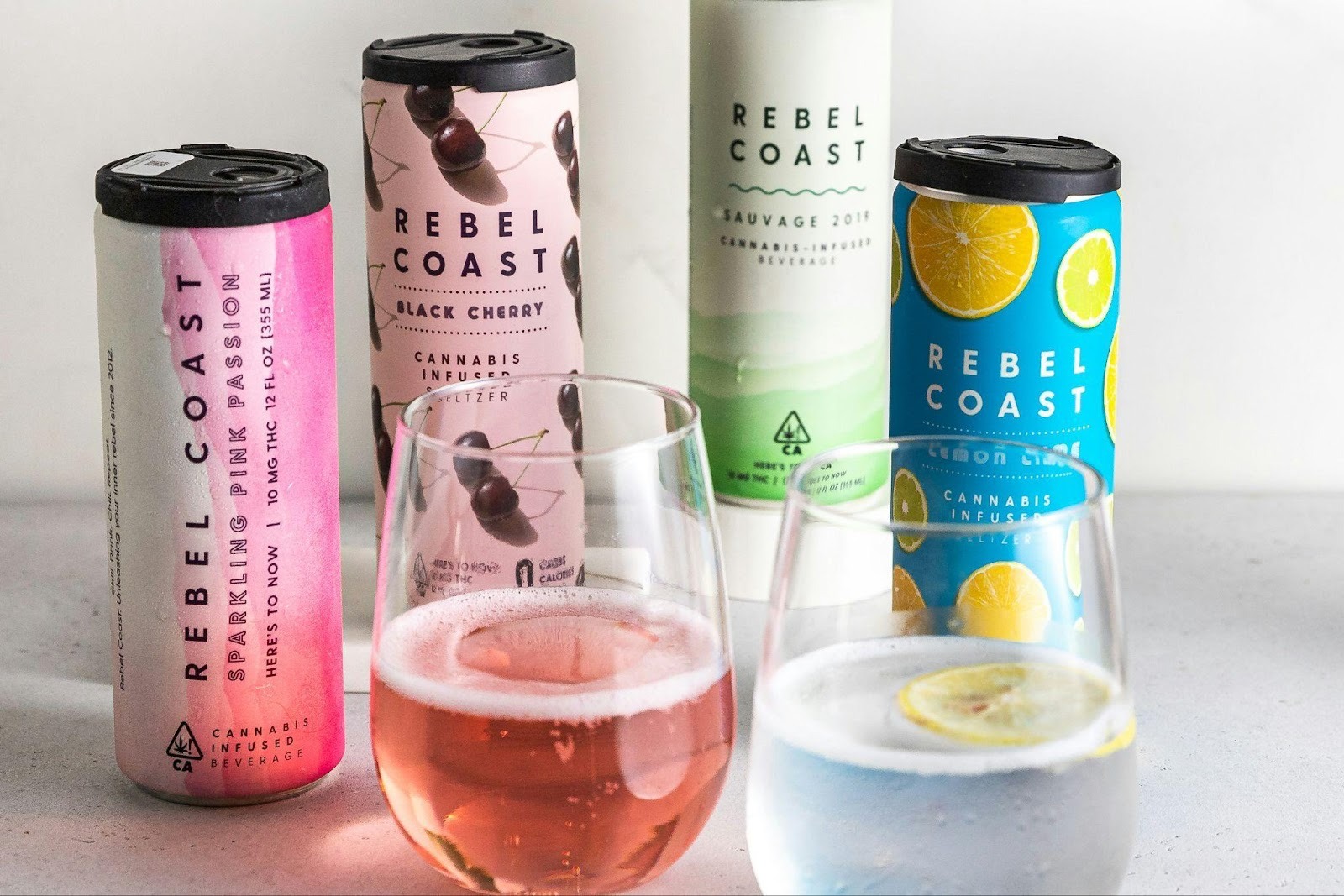
As wellness trends evolve, many consumers are exploring alternatives to traditional alcohol and sugary drinks, including functional and infused beverages offered by brands such as five (https://enjoyfive.com/), which focus on flavor, simplicity, and modern consumption preferences.
Alternative beverages are changing social routines
A major shift in the past few years is that “what you drink” has become part of wellness identity. You’re not just choosing coffee or soda. You’re choosing matcha, yerba mate, sparkling botanicals, low-sugar seltzers, fermented drinks, and alcohol alternatives.
This trend is partly about health, but it’s also about social comfort. People want something that feels like a real drink, something you can sip at a gathering, bring to dinner, or keep in the fridge, without the downsides of alcohol or the sugar crash that comes with certain soft drinks.
If you’re comparing alternatives, it helps to look at three things: how stimulating it is, how it affects your sleep later, and whether it keeps your energy steady or creates a spike-and-crash pattern. A drink that feels amazing at 3 p.m. but leaves you staring at the ceiling at midnight isn’t really supporting wellness.
Functional foods are popular because they reduce decision fatigue
A lot of wellness advice fails because it adds complexity. Functional foods succeed because they feel like shortcuts: protein-forward snacks, fiber-friendly choices, simple ingredient lists, or meals that reduce the need for constant tracking.
You see this in the way people build routines now. Instead of aiming for perfect nutrition, you aim for predictable meals you can repeat. Instead of chasing a new superfood each week, you choose a few staples that fit your schedule. The trend is less about “the best diet” and more about consistency you can actually maintain.
Lifestyle choices are becoming “soft structure” instead of strict rules
Another modern shift is that lifestyle wellness is less about extreme rules and more about soft structure. You might set a consistent wake time, reduce late-night scrolling, walk after meals, or aim for steady hydration. None of these are dramatic, but together they shape how you feel.
This is also why people gravitate to wellness trends that feel identity-friendly. If a trend gives you a simple framework, like “high protein,” “low sugar,” “alcohol-free weekdays,” or “morning light and movement”, it’s easier to follow because it becomes a pattern rather than a daily debate.
Why the carnivore diet keeps coming up in wellness conversations
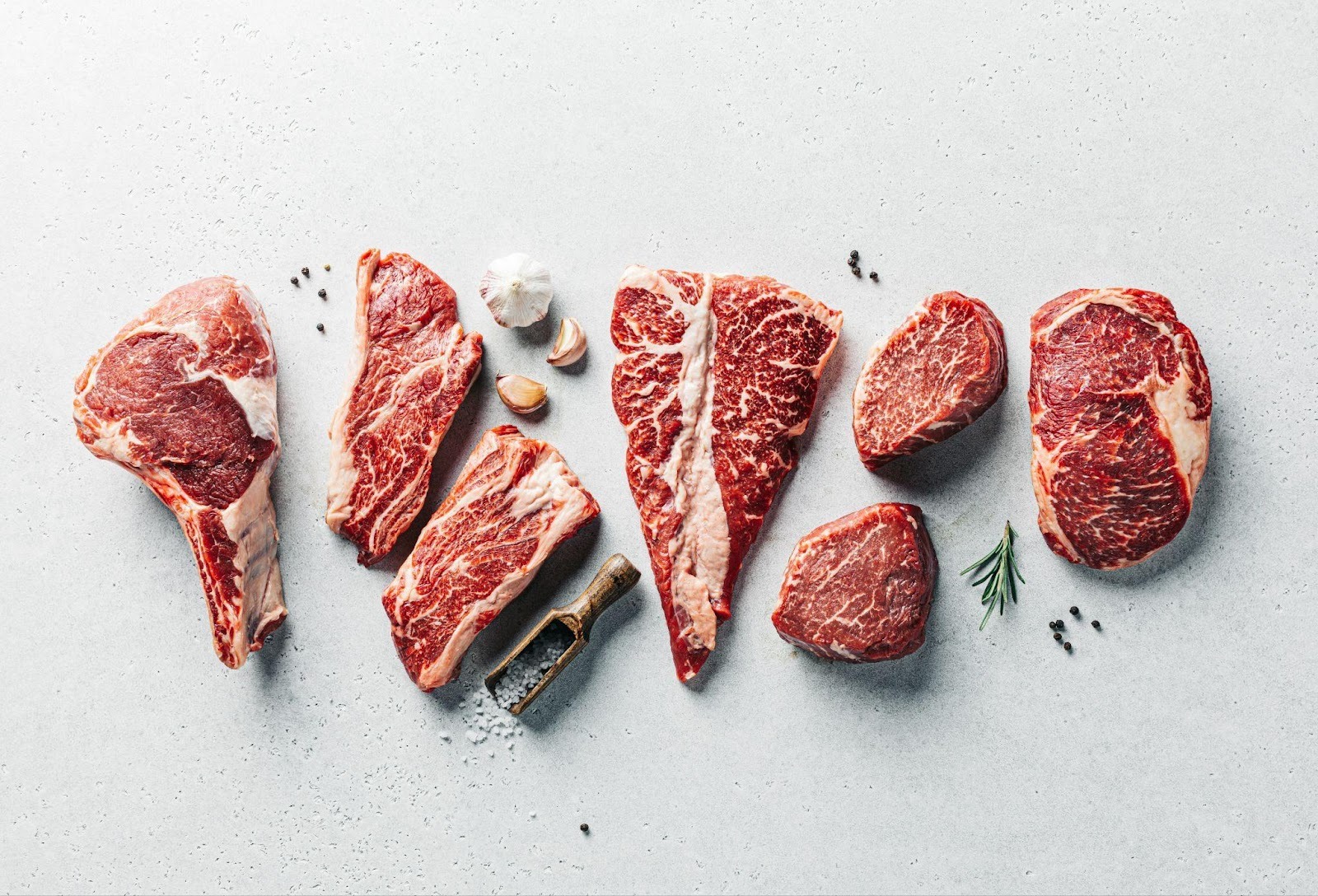
Some trends spread because they’re easy to adopt. Others spread because they’re controversial and people want answers. The carnivore diet sits in that second category. It’s a very restrictive approach, and it triggers strong opinions, especially around inflammation, digestion, and autoimmune symptoms.
The reason it stays in the conversation is that some people report meaningful changes when they eliminate many common foods. That doesn’t automatically mean the diet is a fit for everyone, but it does explain why people keep exploring it, especially when they feel like they’ve tried “normal healthy eating” and still don’t feel good.
Dietary approaches like the carnivore diet continue to spark conversation, particularly around inflammation and autoimmune health, with resources from Carnivore Snax offering insights into how animal-based nutrition may affect individual wellness experiences.
A grounded way to evaluate restrictive diet trends
If you’re evaluating something as strict as carnivore, the most important question isn’t “Is it trending?” It’s whether you can assess it responsibly. Restrictive diets can change how you feel in the short term for many reasons, food sensitivities, reduced ultra-processed intake, lower overall variety, or changes in meal timing.
It also matters that restrictive diets can create blind spots. When your food variety gets very narrow, it becomes harder to cover all micronutrients over time without careful planning. And if you’re using a restrictive approach to manage symptoms, it’s easy to confuse correlation with causation unless you’re paying attention to patterns, triggers, and overall health context.
A practical approach is to treat any restrictive trend as an experiment with limits: pay attention to how you feel, prioritize safety, and avoid turning it into an identity you can’t step away from.
What modern wellness trends get right
Many modern wellness trends succeed because they’re built around real friction points. People want less sugar without feeling deprived. You want energy without anxiety. You want calm without feeling sedated. You want routines that don’t require constant tracking.
Functional foods and alternative beverages are popular because they solve those needs in a convenient way. They’re not perfect solutions, but they’re easy to incorporate, which is why they stick.
What modern wellness trends often get wrong
The downside is that trends can oversimplify complex issues. “Better energy” might be a sleep issue, not a drink issue. “Inflammation” might be influenced by stress, not only diet. And “clean eating” can become a trap if it turns into fear of normal foods.
The healthiest way to use trends is to keep them in proportion. Let them support your routine, not control it. Choose what makes you feel better consistently, not what sounds the most impressive online.
A realistic takeaway
You don’t need to follow every trend to benefit from modern wellness ideas. You get the most value when you pick a few changes that genuinely make your days easier, like swapping sugary drinks for low-sugar options you enjoy, building simple meals you can repeat, and exploring dietary changes cautiously if you have specific symptoms you’re trying to understand.