
How To Get Proper Support For A Chronic Health Condition
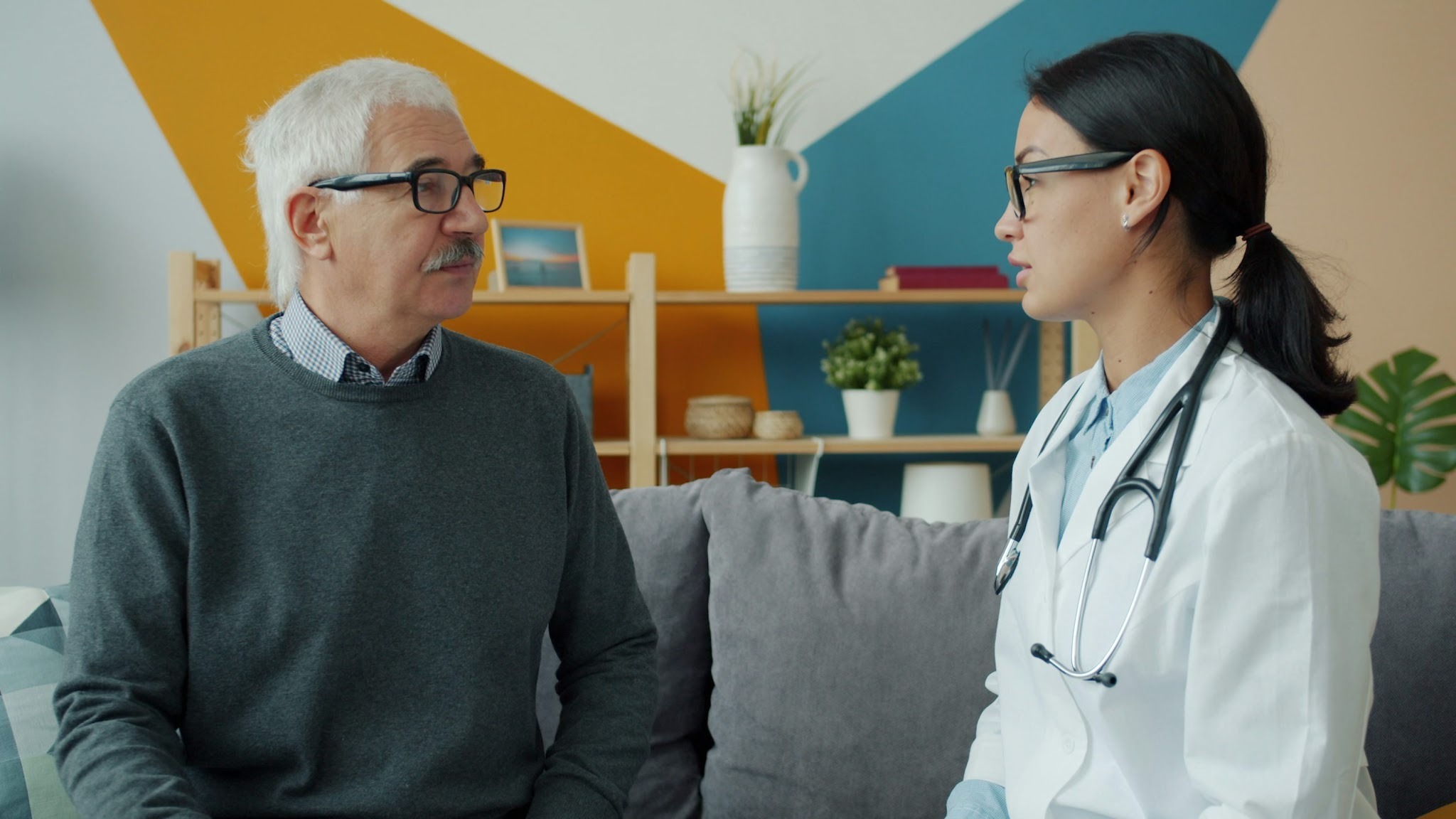
If you have a chronic health condition, you need support. How can you obtain this, and what should you do to get the assistance that you need? Fortunately, this article is here to help. We run through some of the actions that you might want to take to ensure that you have the people around you that you need to manage health conditions like autoimmune disorders, arthritis, heart disease, and diabetes, so you can develop emotional resilience and a proper day-to-day plan.
Build collaborative relationships with your health care team
You’ll want to start by building collaborative relationships with your healthcare team. Healthcare professionals should be viewed as partners, not just service providers. They work with you to ensure that your life is as good as it can be. For instance, you might need a case manager. What is a case manager? Good question. A case manager is essentially somebody who liaises with all of your healthcare professionals to ensure that you receive the best possible service. For example, they can work with your in-home carer, your doctor, or your physiotherapist. They bring everything together and ensure that they advocate for you. Make sure that you prepare for your appointments by bringing:
- a list of questions
- your symptoms
- your medication
Providing all of this information to the healthcare practitioners that you see enables them to provide you with a better service. Don’t be afraid to ask questions and inquire about benefits, risks, and alternatives to the treatment plans that they offer. If you are able to access chronic care management (CCM) services, then do so. These give you the coordinated support that you need, plus 24/7 access to people who can assist you any time of the day or night.
Focus on self-management and lifestyle adjustment
As challenging as it may sound, you also want to focus as much as you can on self-management and making lifestyle adjustments. These empower you by transforming your daily habits into routines that support you and improve your overall well-being. The advice is to:
- Maintain a balanced diet and be as physically active as you are able to be.
- If you can, manage stress and prioritize sleep, especially if you’re not working.
- Keeping a journal of your symptoms, energy levels, and diet is useful. You can use this information to identify patterns in how you feel and then share them with your doctor.
Don’t do anything that’s not evidence-based. If you need lifestyle support, you can work with community organizations who provide this sort of service.
Seek emotional and peer support
Lastly, when you’re living with a chronic health condition, it is useful to seek emotional and peer support. Joining these groups via different organizations brings you into contact with other people going through similar experiences as you. These days, there are plenty of platforms and directories you can use online to get peer support. Peer-led programs provide tips for you to live more joyfully, and they can reduce feelings of aloneness.