
Growing Together: Why Gardening With Toddlers Is So Rewarding
A garden is often framed as a project: beds to prepare, weeds to pull, soil to turn, plants to maintain. It can feel like a checklist of seasonal duties, something squeezed into weekends or tackled between other responsibilities. Yet within a family home, gardening can become something far richer when viewed through a different lens.
When we look closer, the benefits of gardening for toddlers go far beyond learning how plants grow. Toddlers live in a world defined by imitation. They study how adults move, speak, and interact with their environment. They want to participate rather than observe from the sidelines. The garden, with its textures, colours, and constant transformation, is an ideal place to nurture that instinct.
Reframing gardening from “adult task” to “shared experience” can completely change the way both adults and toddlers look at things, especially when gardening with toddlers becomes part of everyday family life.
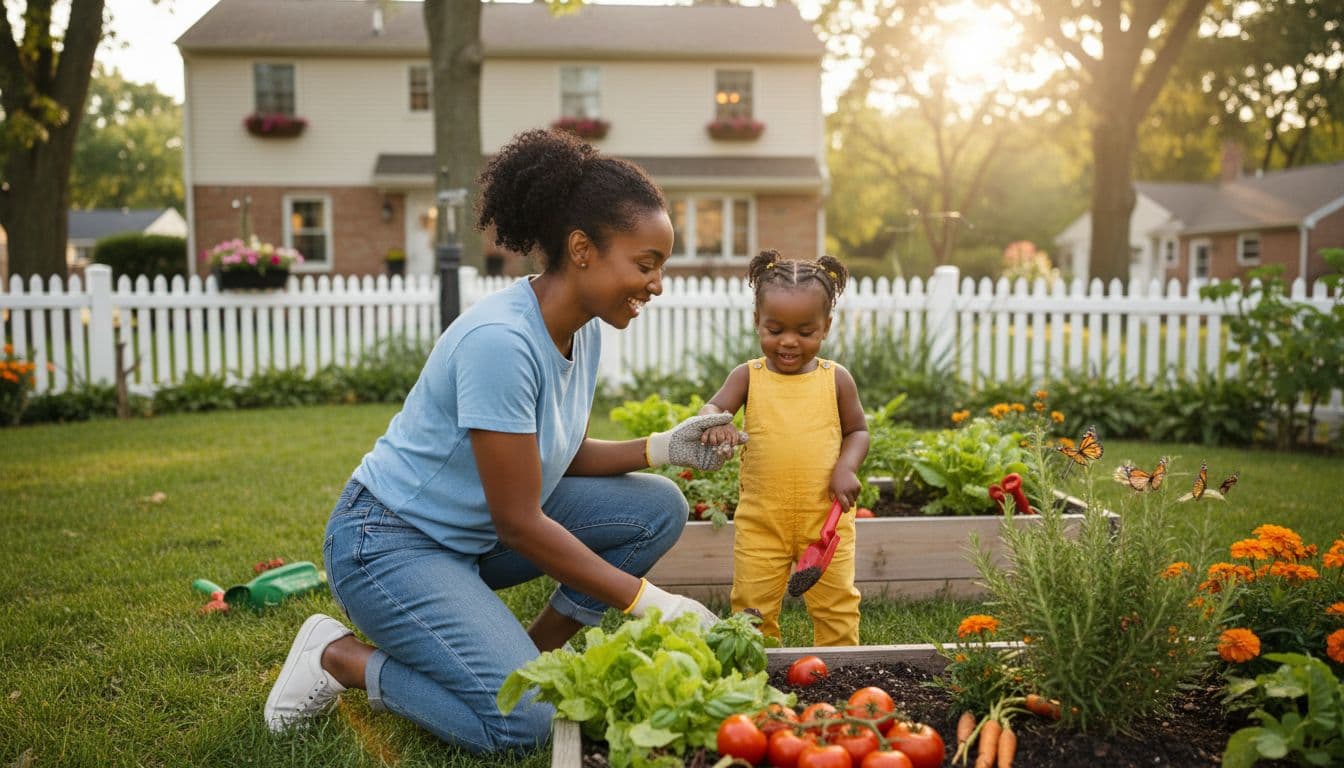
Key Takeaways: Benefits of Gardening for Toddlers
The benefits of gardening for toddlers go far beyond planting seeds. Here are some of the most meaningful ways it supports early development.
- Gardening helps toddlers build confidence through hands-on responsibility.
- It teaches patience as children wait for seeds to grow and plants to bloom.
- Shared gardening routines strengthen parent-child bonds.
- Outdoor sensory experiences support early brain development.
- Gardening encourages curiosity, conversation, and problem-solving.
- Participation fosters independence and emotional resilience.
- Early positive experiences in nature build lifelong appreciation and care.
Why the Benefits of Gardening for Toddlers Go Beyond the Plants
Early childhood is driven by a powerful desire to understand how the world works. Toddlers are not motivated by straight rows, symmetrical borders, or flawless lawns. They are motivated by involvement. They want to dig where you dig, water where you water, and examine whatever captures your attention. Gardening satisfies a deep developmental need for agency. It allows children to feel capable and engaged within their surroundings.
For a toddler, predictability builds security. Knowing that mornings might include checking on seedlings, or that evenings involve watering plants, creates a rhythm that anchors the day. These small rituals become reassuring landmarks, moments of calm continuity in an otherwise fast-changing world.
Participation also builds confidence in powerful ways. A toddler trusted with a watering can or a small trowel receives an unspoken message: You are capable and your contribution matters. That sense of inclusion strengthens self-esteem long before formal achievements or structured learning enter the picture.
Patience, Persistence, And Time
Gardens move at their own pace. Seeds do not sprout instantly. Flowers do not bloom on command. This slower rhythm offers invaluable lessons for young children. Gardening introduces patience as a lived experience.
A toddler who helps plant a seed learns that outcomes aren’t instant. Days pass. Changes occur gradually. Waiting becomes meaningful rather than frustrating. This early understanding of delayed gratification and persistence supports emotional regulation and resilience.
There is also a quiet satisfaction in completion. Filling a pot, watering a bed, and tidying tools are all small achievements. A child sees tangible results of their actions, reinforcing a sense of competence.
Balancing Patience With Practicality
Inviting toddlers into gardening inevitably slows things down. A task that could be completed quickly may stretch considerably. Soil may scatter. Water may spill. Plants may be enthusiastically overwatered. Yet connection is not measured in efficiency. It is measured in quality of interaction.
Choosing the right activities helps maintain harmony. Some tasks require precision or safety considerations that limit toddler involvement. Others are perfect for shared participation. Digging holes, carrying small pots, watering established plants, gathering leaves, spreading mulch, or helping distribute topsoil are all accessible and satisfying for little helpers.
Flexibility prevents frustration. There will be days when enthusiasm is high and others when attention wanders. Adjusting expectations allows gardening to remain joyful rather than stressful.
Clear boundaries are equally important. Toddlers should understand what they can do independently and where guidance is needed. Gentle structure fosters confidence without dampening curiosity.
Turning Gardening Into Playful Exploration
For toddlers, play is the primary language of engagement. Gardening easily lends itself to imagination and discovery. Digging becomes treasure hunting. Watering becomes “giving drinks to thirsty plants.” Pulling weeds becomes rescuing flowers from “sneaky plant invaders.”
Sensory engagement deepens involvement. The scent of herbs, the softness of petals, the roughness of bark, the coolness of damp soil, these experiences enrich neural development and anchor memories.
Playfulness does not trivialise responsibility. It aligns tasks with a child’s natural way of learning and interacting with the world.
Building Lifelong Attitudes Towards Nature And Care
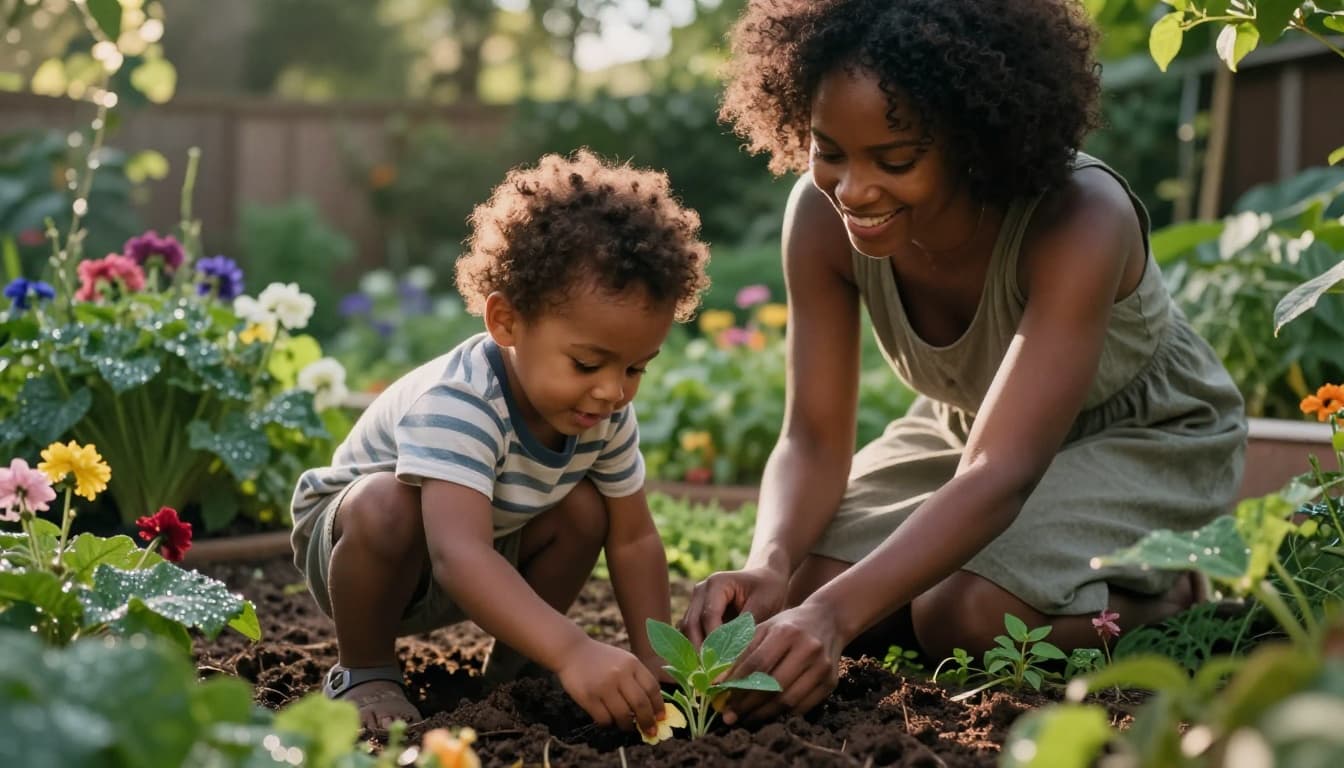
Early associations shape future perspectives. When gardening is experienced as collaborative and positive, children are more likely to develop a lasting appreciation for nature and responsibility. Plants are not seen as fragile objects to avoid, but as living companions to nurture.
This approach develops intrinsic motivation. A toddler who enjoys helping in the garden does not require elaborate reward systems. Satisfaction arises from participation itself; from being included, trusted, and valued.
Over time, this mindset grows. A child who once watered seedlings may later take pride in maintaining their own small patch, understanding that care leads to growth.
Encouraging Curiosity And Conversation
Gardening naturally sparks questions. A child may notice smooth leaves beside rough ones, or wonder where worms disappear to. Water seems to sink into the soil like magic. These curious observations become invitations for connection rather than interruptions to the task at hand.
You do not need perfect answers. What matters is engaging with your child’s sense of wonder. Exploring ideas together through touching, observing, and wondering strengthens both language development and emotional closeness. A simple exchange beside a flowerbed can become a rich learning experience.
When adults slow down enough to notice what captures a toddler’s attention, the garden becomes a shared space of discovery. The focus gently shifts from completing tasks to appreciating the small details that children notice so easily.
Letting Go Of Perfection
Gardening with toddlers requires a quiet redefinition of success. When gardening with toddlers becomes about connection rather than perfection, the experience shifts for everyone involved. Beds may not look immaculate. Soil may spill beyond its borders. Seeds may be scattered with more enthusiasm than precision. These moments are not failures. They are signs of participation and learning.
When parents release the expectation of flawless results, stress often gives way to enjoyment. The experience becomes lighter, more patient, and more collaborative. Children sense this shift quickly. Without tension, they feel freer to explore, help, and stay engaged.
Over time, this mindset reshapes how both adult and child experience the garden. It becomes less about control and more about shared presence, less about perfect outcomes and more about meaningful moments.
Key Benefits of Gardening for Toddlers
- Builds confidence
- Encourages patience
- Strengthens parent-child bonds
- Supports sensory development
- Fosters love of nature
Emotional Benefits Beyond The Plants
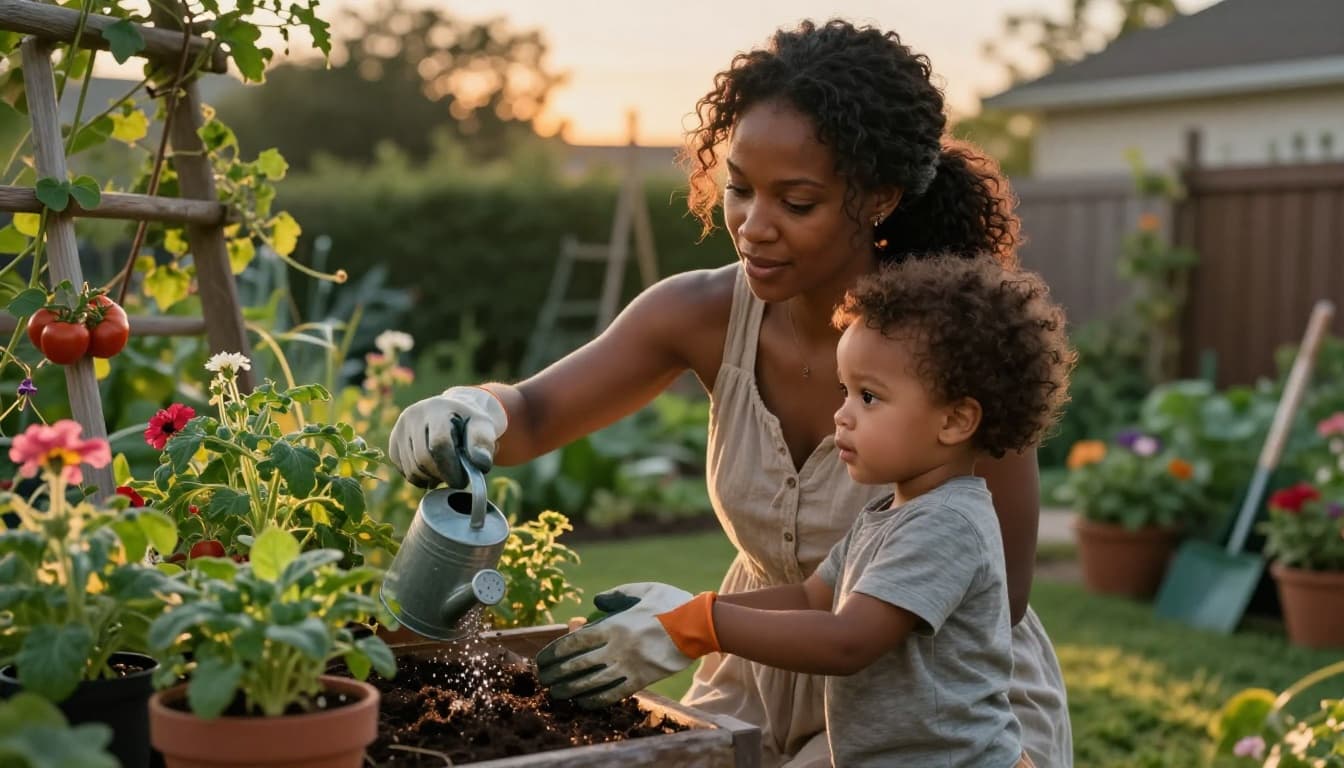
Toddlers thrive on feeling valued. Even modest contributions generate pride, which fuels further engagement. For parents, gardening together offers rare glimpses into a child’s developing personality. Preferences emerge. Curiosity unfolds and problem-solving styles reveal themselves. Observing a toddler navigate small responsibilities can uncover capabilities that might otherwise go unnoticed.
When children are welcomed into the living world of plants, soil, and seasons, the benefits of gardening for toddlers become beautifully clear. It becomes more than a cultivated space. It becomes a setting for memories, learning, laughter, and belonging. And somewhere between the spilled watering cans, the crookedly planted flowers, and the joy of small muddy hands, something deeper grows. A bond rooted not just in care for the garden, but in care for each other.