
Creating A Home That Feels Beautiful, Comfortable And Truly Yours
Creating a living environment that reflects personal taste requires thoughtful planning and realistic choices. True comfort happens when everyday furnishings align with daily household activities. Thoughtful design brings warmth to ordinary spaces through intentional fabric selections and room arrangements.
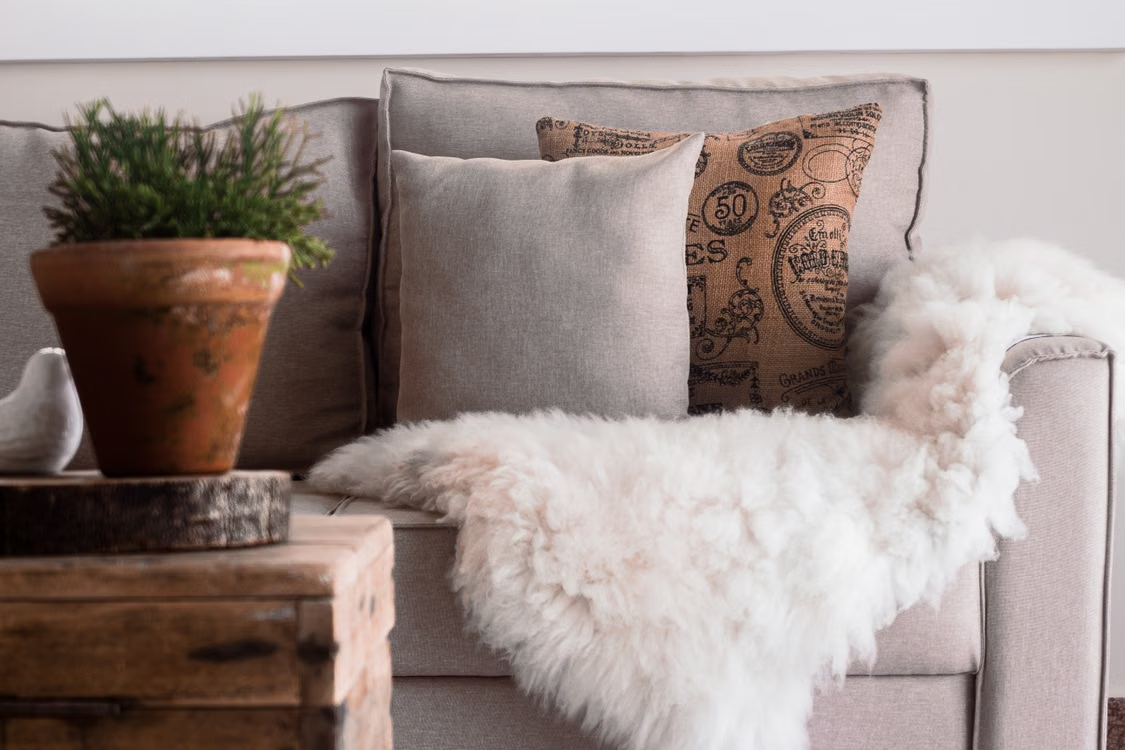
In 2026, cold minimalism marked by gray shades gives way to warmer colorations with nature-inspired palettes, from deep greens to earthy tones like sand, ochre, terracotta, and warm browns. Bringing these organic tones indoors helps rooms feel balanced and grounded. Natural elements add depth to quiet corners without overwhelming the eye.
Prioritizing Personal Comfort In Every Room
Living spaces need soft textures and inviting layouts to help everyone unwind after long days. Furniture arrangements ought to encourage easy conversation and leave clear pathways for walking.
Simple decorative accents like throw blankets and pillows instantly lift room aesthetics. Homeowners can browse flooring and stair runner options to quickly update ground surfaces without major stress. The right base underfoot makes daily routines feel cozy and restful.
Lighting plays a major role in establishing warmth throughout domestic interiors. Warm LED bulbs create relaxed settings that heavy overhead fixtures cannot match.
Balancing Visual Harmony With Daily Functionality
Functional decor keeps rooms organized without sacrificing personal style or charm. Built-in shelving and hidden storage benches manage clutter behind closed doors.
Selecting durable materials prevents frequent wear in high-traffic zones. Hardworking surfaces withstand daily family activity and look polished year after year.
Neutral wall colors offer a serene backdrop that adapts to changing seasonal trends. Swapping small accessories keeps interior spaces fresh on reasonable redecorating budgets.
Incorporating Continuous Architectural Materials
Smooth transitions between adjacent spaces make smaller homes feel significantly larger. Running matching finishes across interconnected zones unifies architectural features smoothly.
Design guides point out that enveloping staircases, fireplaces, and kitchens in single continuous materials creates a sculptural, gallery-like look. This approach creates clean lines that highlight structural elements without visual distractions. Seamless surface treatments allow light to move around quiet room corners easily.
Monolithic finishes draw attention to craftsmanship and minimize visual clutter. Rooms feel calm when surrounding materials work together in quiet harmony.
Choosing Natural Fiber Flooring Options
Flooring choices dictate how comfortable and quiet living spaces feel during daily routines. Quality floor materials cushion footsteps and reduce unwanted echoes across large rooms.
Recent home decor surveys show carpet remains popular in bedrooms and stairwells, with natural fibers like wool, sisal, and seagrass leading current preferences. These materials combine sustainable production with long-lasting indoor durability. Homeowners choose natural fibers for specific living zones for clear practical reasons.
- Wool offers plush comfort and natural stain resistance in resting areas.
- Sisal provides sturdy texture for busy hallways and entryway paths.
- Seagrass delivers moisture resistance and textured organic style.
Selecting Dense Carpet Runners For Stairs
Staircases act as prominent focal points in multi-level home layouts. Installing protective floor coverings preserves wood steps against constant heavy foot traffic.
Design commentary highlights that thin, dense, low-pile runners work far better on stairs than thick plush carpets. Low-pile options grip step edges tightly and prevent tripping hazards over long periods. Flat weaves keep maintenance simple and cleaning efforts quick.
Proper runner installation reduces sound and adds refined style to entryway views. A well-fitted runner connects upper and lower floors seamlessly.
Layering Textures For Added Interior Depth
Combining varied textile weaves creates inviting contrast throughout living and sleeping zones. Mixing smooth linen, coarse woven fabrics, and soft velvet adds rich visual character.
Area rugs anchor seating arrangements and define separate functional zones in open floor plans. Layering smaller accent rugs over larger neutral bases builds depth without feeling crowded.
Tactile elements invite physical interaction and make spaces feel genuinely lived-in. Thoughtful material pairings turn basic rooms into comfortable domestic retreats.
Cultivating Authentic Personal Style At Home
Personal items tell unique stories that store-bought decor items cannot replicate alone. Displaying vintage finds, travel souvenirs, and family artwork gives rooms personal distinction.
Curating home interiors takes patience and personal reflection rather than quick impulse buying. Selecting pieces with personal meaning creates lasting comfort and authentic charm.
Beautiful homes reflect the distinct personalities of the people living inside them. Taking time to select meaningful decor builds spaces that truly feel like home.
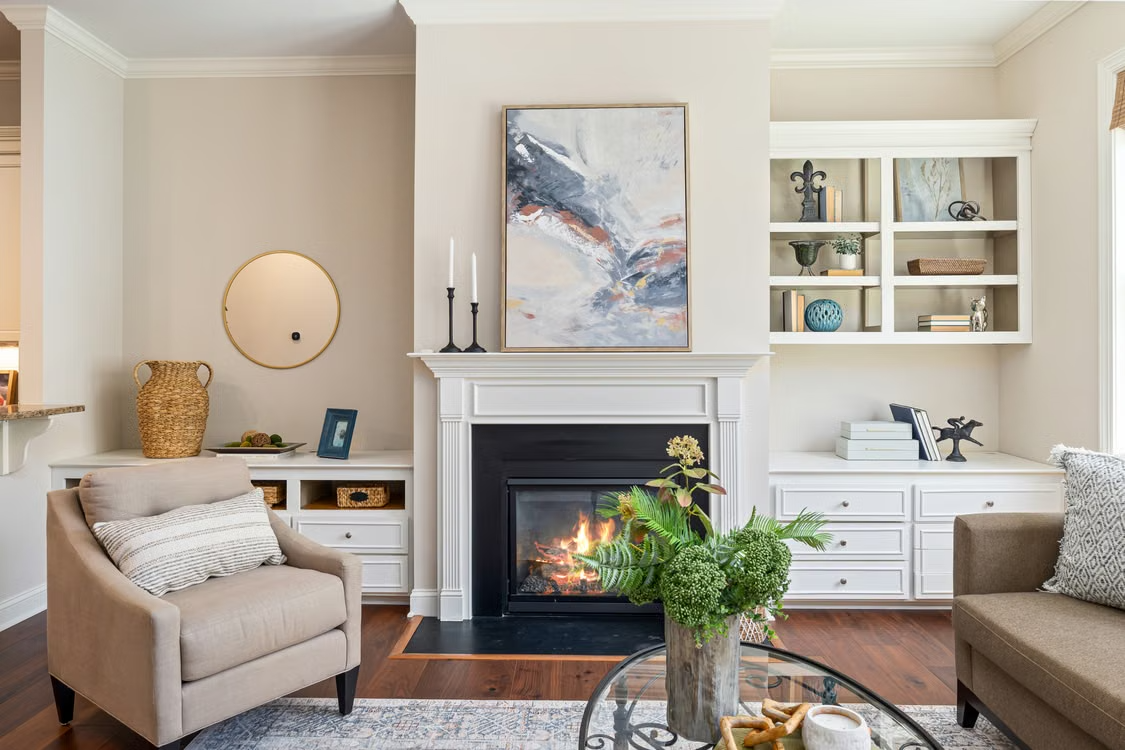
Designing a comfortable home requires balancing practical choices with personal taste. Everyday environments become inspiring places when each room supports relaxation and daily activities. Focusing on quality materials builds spaces that handle daily family life effortlessly. Thoughtful layouts allow home life to flow smoothly from morning to evening.
Taking small steps toward thoughtful decor transforms living quarters into welcoming sanctuaries. A well-designed home brings daily satisfaction and lasting peace of mind. Investing in comfortable floor coverings and personalized accents creates lasting value.