
How to Create a Sinking Fund for Annual Bills
A car registration notice, an insurance renewal, or a yearly subscription can throw off a perfectly good month, causing unnecessary financial stress and pushing people toward credit card debt. The bill isn’t new, but it can still feel like a surprise when the full amount lands at once.
A sinking fund for annual bills gives each predictable expense a place in your monthly budget before it is due. Instead of reaching for a credit card or pulling from grocery money, you save small amounts over time to cover all of your annual expenses. Let’s make those annual bills feel planned for, not panic-inducing.
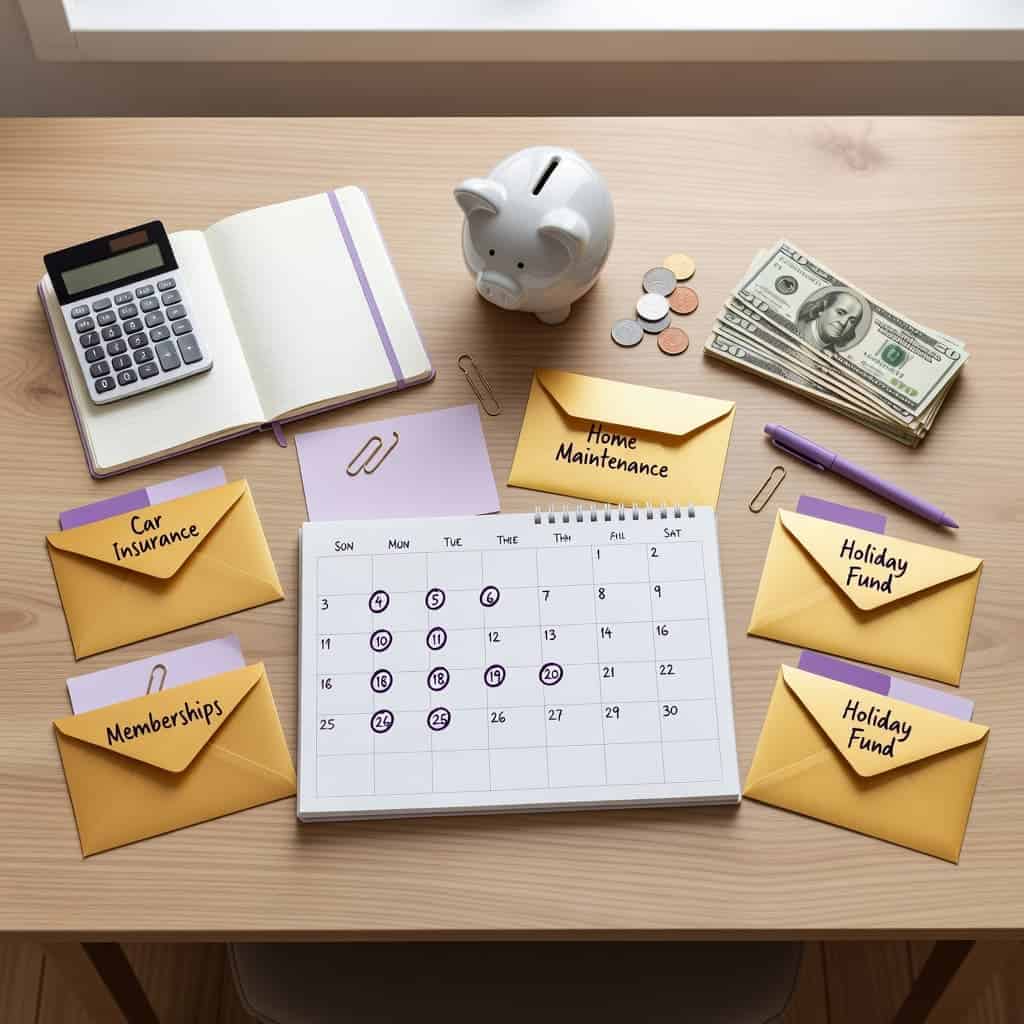
Key Takeaways
- Sinking funds help you save small amounts over time for predictable annual expenses, preventing financial stress and credit card debt.
- Audit your past bank statements and receipts to list all known irregular costs, such as car insurance, home maintenance, and memberships.
- Divide your total annual expenses by 12 for monthly contributions, or by 26 if you prefer to save per paycheck.
- Automate your savings by scheduling transfers immediately after payday into a separate savings account or digital bucket.
- Keep your sinking fund separate from your emergency fund so known annual bills never drain your unexpected safety net.
What a sinking fund for annual bills does
A sinking fund is money set aside for one known future expense. You know the bill is coming. You may not love it, but it has a due date, an amount, or at least a reasonable estimate for your planned expenses.
Think of it like putting a little aside for a family reunion all year instead of trying to find hundreds of dollars the week before. The goal is not to save everything overnight. The goal is to let time do part of the work, and building these predictable expenses into your routine helps you handle irregular expenses without stress.
Your sinking fund annual bills list may include:
- Car maintenance and car insurance premiums, registration, inspections, and routine upkeep
- Home maintenance, property taxes, HOA fees, and life insurance
- Annual memberships, software subscriptions, warehouse club fees, or professional dues
- Holiday gifts, summer camp deposits, birthdays, and pet care
- Medical bills and other annual expenses
Using this type of dedicated savings means you do not have to raid your emergency fund when these predictable expenses pop up. A guide to sinking funds for annual expenses describes the same simple idea: divide a larger planned cost into smaller contributions. That small shift can bring so much more breathing room to your budget.
A bill can be inconvenient without being an emergency. If you can name it and estimate when it is due, it belongs in your plan.
Start your sinking fund annual bills list
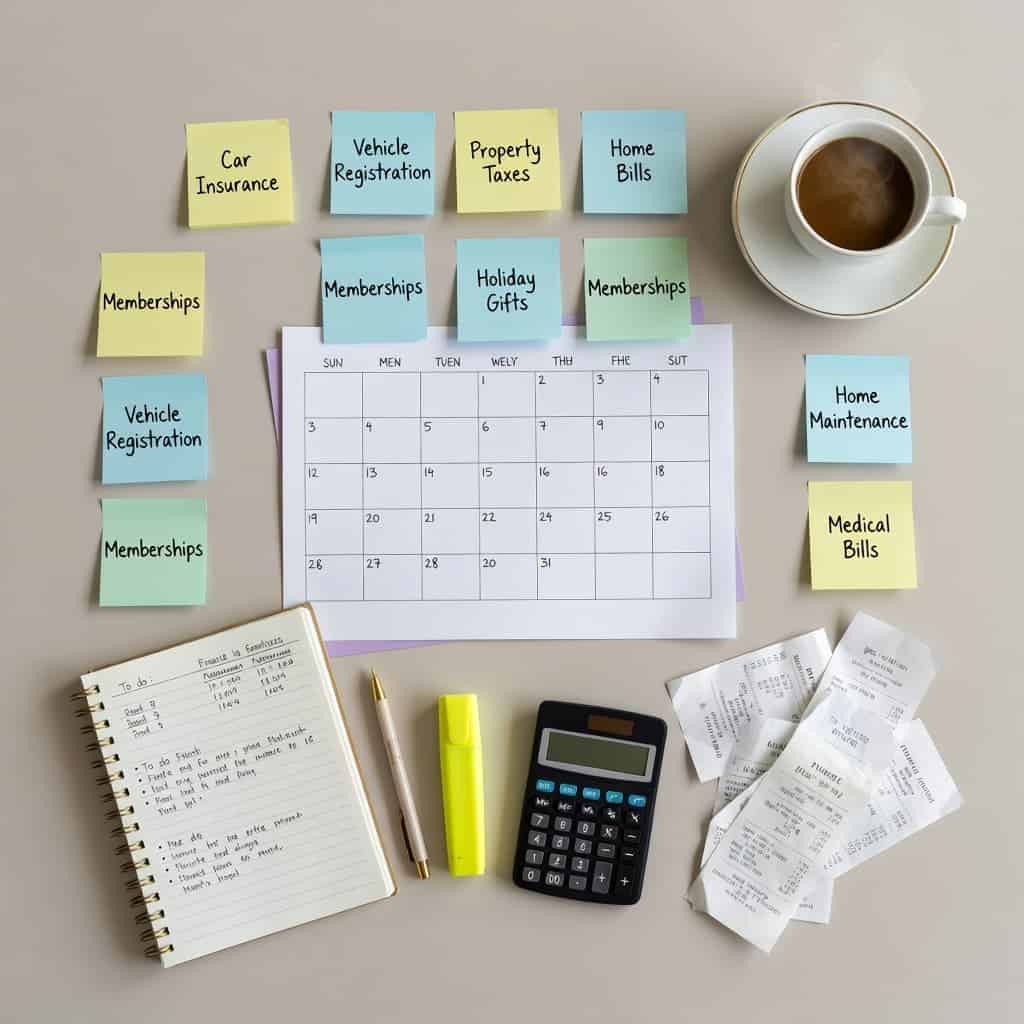
Begin with the bills that tend to catch you off guard. Pull up your bank statements, calendar, email receipts, and last year’s payment history to audit irregular expenses before they disrupt your cash flow or your monthly budget. You don’t have to remember every expense in one sitting.
Write down each bill, its due month, and what you paid last time. If the cost changes, use a slightly higher estimate. Rounding up protects you better than coming up short.
Start with three or four categories if a long list feels overwhelming. Car registration, car maintenance, holiday spending, and annual subscriptions are often a good place to begin. You can add more later once this sinking fund rhythm feels normal.
Pay attention to payments that happen every six months, too. They may not be annual expenses, but they can still disrupt your monthly budget. A sinking fund works for any predictable but irregular expenses, and reliable financial planning helps you prepare for unexpected expenses.
It also helps to check whether you are paying for things you no longer use. That old streaming service, app subscription, or membership may be taking up money that could support a real priority. Many people use budgeting apps to catch these charges and build a reliable sinking fund, bringing clarity before you begin saving.
Calculate your monthly and per-paycheck amount
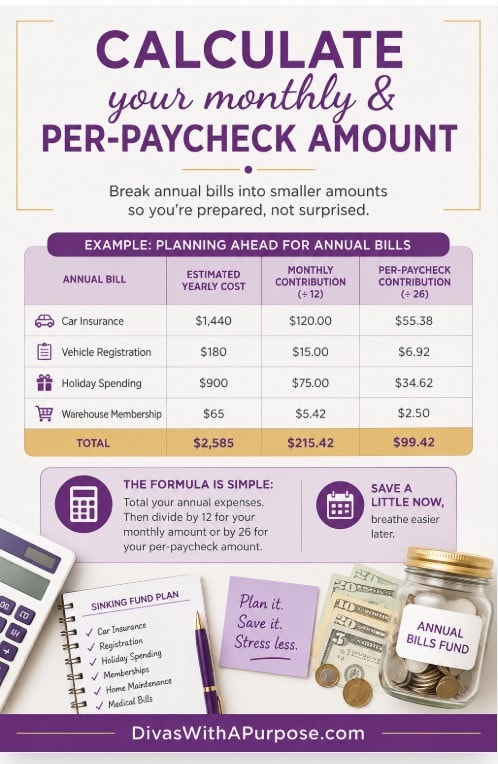
Once you have your list, total your annual expenses. Then divide by 12 to find the monthly amount to support your savings goals. If you are paid every other week, divide the yearly total by 26 for your per-paycheck contribution.
Here is a realistic example for a household planning ahead for four planned expenses:
| Annual bill | Estimated yearly cost | Monthly contribution | Per-paycheck contribution |
|---|---|---|---|
| Car insurance | $1,440 | $120.00 | $55.38 |
| Vehicle registration | $180 | $15.00 | $6.92 |
| Holiday spending | $900 | $75.00 | $34.62 |
| Warehouse membership | $65 | $5.42 | $2.50 |
| Total | $2,585 | $215.42 | $99.42 |
This household needs to save about $216 each month to keep their monthly budget on track. If they are paid every other week, they can transfer about $100 from each paycheck to protect their cash flow. That money is not extra. It is already assigned to bills they know are coming.
If you are starting in the middle of the year, use the number of months left before the due date instead. For example, if your $600 insurance premiums are due in six months, divide $600 by six. Your monthly contribution is $100 until the bill is paid.
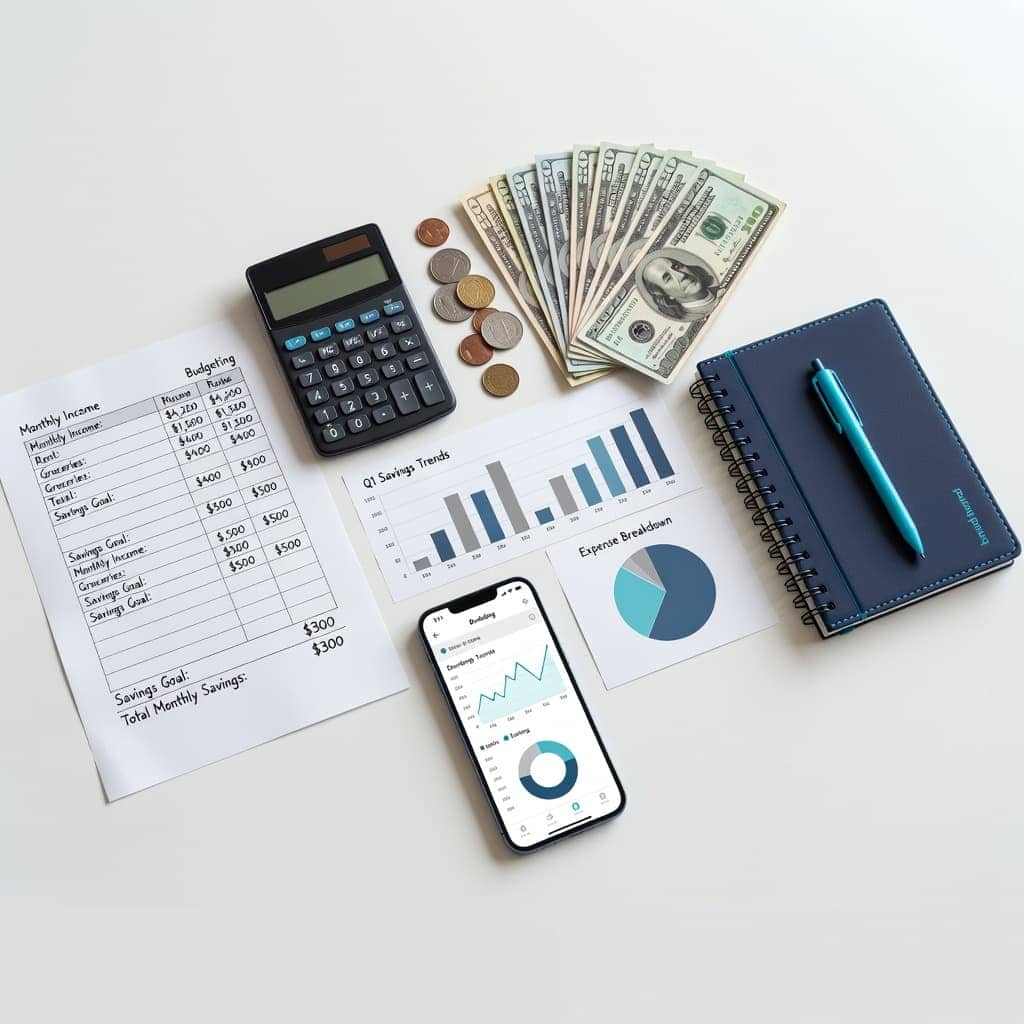
You may also prefer to calculate by payday to reach your financial goals. That can make your monthly budget easier to follow because money is assigned when it arrives. MoneyHelper’s explanation of sinking funds offers the same practical reminder: a sinking fund works best when you match your savings schedule to your income. Whether you are setting aside money for holiday gifts or building a broader sinking fund, calculating exact amounts keeps your cash flow steady. Maintaining a sinking fund for annual expenses ensures your planned expenses never disrupt your savings goals.
Pick a home for the money
Your sinking fund needs a home that is safe, easy to access when the bill is due, and separate enough that it won’t disappear into everyday spending. This forms a crucial part of any solid savings strategy designed to protect your financial goals.
For many households, a separate savings account works well. Some banks and credit unions let you open more than one savings account or create digital savings buckets. You might have one dedicated savings account for annual bills and track each category in a notebook, spreadsheet, budgeting app, or notes app.
If your bank does not allow multiple savings buckets, keep one annual-bills account and record the balance for each category yourself. For example, your account may hold $850 total, but your tracker shows $500 for insurance, $220 for holidays, $100 for registration, and $30 for a membership.
A high yield savings account can be a good choice if it has no monthly fee and you can move money when needed to cover your annual expenses. Avoid putting this money somewhere that could lose value right before a bill is due. Your sinking fund needs stable cash, not risky investments.
Set a calendar reminder one month before each due date. That gives you time to confirm the amount, check your sinking fund balance, and make any needed adjustment without stress.
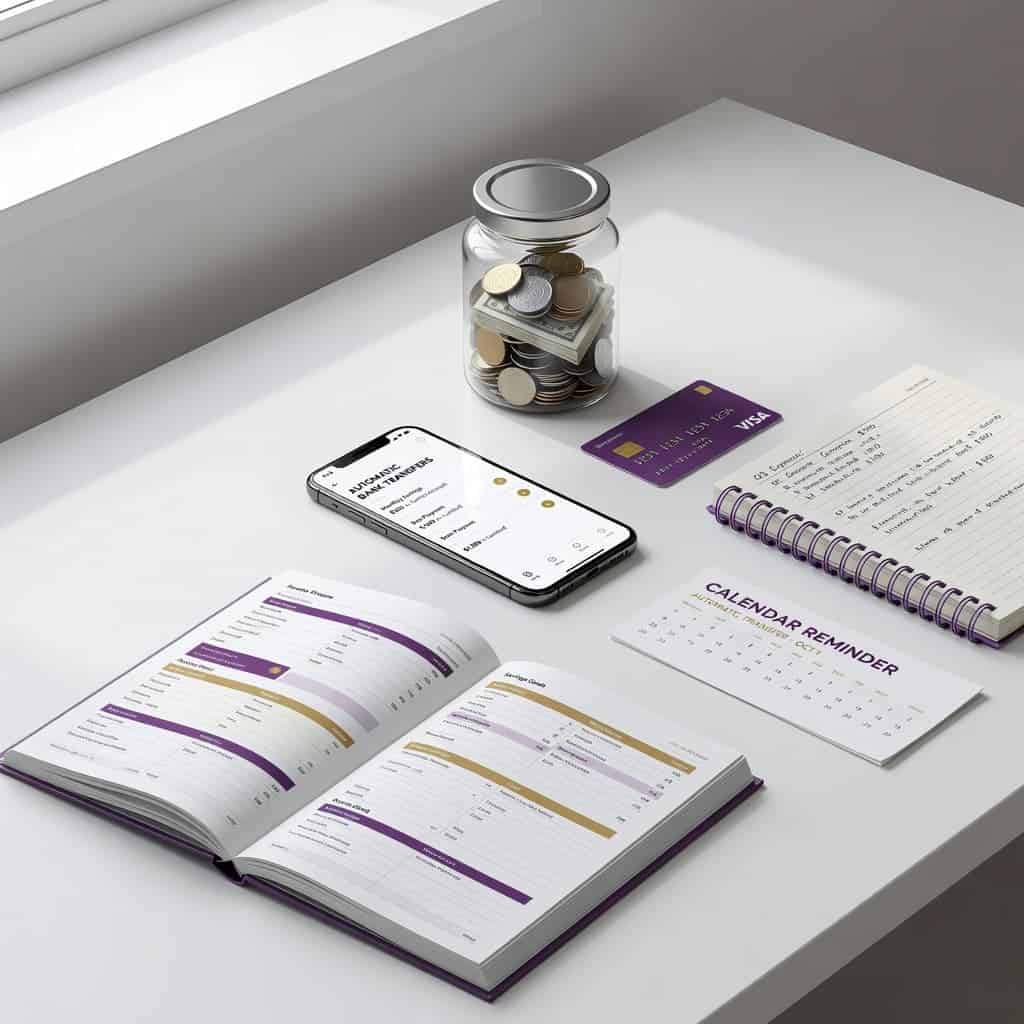
Automate your savings so you don’t have to remember
A sinking fund works best when it becomes part of your regular money routine. Waiting to transfer what is left at the end of the month often leaves nothing behind, which can disrupt your financial goals and monthly budget.
Set up automatic transfers for the day after payday. If your monthly target is $216, schedule that amount monthly inside your dedicated savings plan. If you are paid every two weeks, schedule $100 per paycheck into a separate savings account. Small automatic transfers can feel much more manageable than one large transfer while protecting your daily cash flow.
If your bank allows transfer notes, add the category name. If not, keep a simple tracker nearby. You do not need a complicated system. You need a savings strategy you will actually use.
Consider these simple routines:
- Transfer the money right after each paycheck, before spending decisions pile up.
- Review the sinking fund once a month when you pay bills or plan your calendar.
- Move the exact amount back to checking when the bill is due, then mark that category as paid.
- Start saving again right away for next year’s expense using automatic transfers.
Maintaining a sinking fund is not about being perfect. It is about making your future self feel supported. One transfer into your savings account adds up.
Handle changing bills and missed contributions with grace
Bill amounts change. Insurance premiums go up, and a child joins an activity. Your car needs work sooner than expected. A good sinking fund is not a rigid rulebook. It is a plan you can update as part of your overall financial planning.
When a bill rises, adjust the total as soon as you know. If your insurance premiums increase from $1,440 to $1,560, your monthly target changes from $120 to $130. That is a $10 adjustment, not a crisis.
If you miss a transfer, don’t give up on the whole fund. Look at the remaining amount and the time left. You may be able to spread the missed contribution across the next few paychecks. You can also pause a lower priority category for a month, or use a small portion of a tax refund, bonus, or extra income to catch up.
Be honest about what your budget can hold. If $216 per month is too much right now, start with the bills that carry the biggest consequences. Insurance, vehicle registration, and housing related costs may need attention before holiday spending or memberships. By preparing for these planned expenses through a consistent savings strategy, you prevent financial stress and avoid relying on credit card debt.
A sinking fund is also different from an emergency fund. Your emergency fund is strictly for unexpected expenses, like a job loss, urgent medical care, or critical car maintenance. Your annual bills fund is for expenses you already expect.
Keeping them separate protects both goals. You do not want a known payment to drain the money meant for your emergency fund.
Frequently Asked Questions
What is the difference between a sinking fund and an emergency fund?
An emergency fund is strictly reserved for unexpected crises, such as a sudden job loss or urgent medical care. A sinking fund, on the other hand, is used for predictable expenses that you know are coming due eventually, like annual insurance premiums or holiday gifts.
Can I use a regular checking account for my sinking fund?
While technically possible, keeping your sinking fund in your main checking account makes it too easy to accidentally spend that money on daily purchases. It is much better to use a separate savings account or a high-yield savings account to keep the funds safe and distinct.
What happens if an annual bill increases unexpectedly?
When a bill amount goes up, simply recalculate your monthly target as soon as you find out. Adjusting your monthly contribution by a few dollars is a minor tweak and helps you avoid falling short when the bill arrives.
Give Every Annual Bill a Plan
Annual bills lose some of their power when you stop treating them like surprises. A sinking fund, a simple calculation, and an automatic transfer can turn a stressful payment into a routine part of your monthly budget.
Start with one bill this week. Build your sinking fund annual bills plan as your income and confidence grow to conquer annual expenses, eliminate financial stress, and stay aligned with your financial goals. Every dollar you set aside is a reminder that you are preparing with purpose.