6 Reasons You Don’t Want Pigeons Nesting on Your Roof
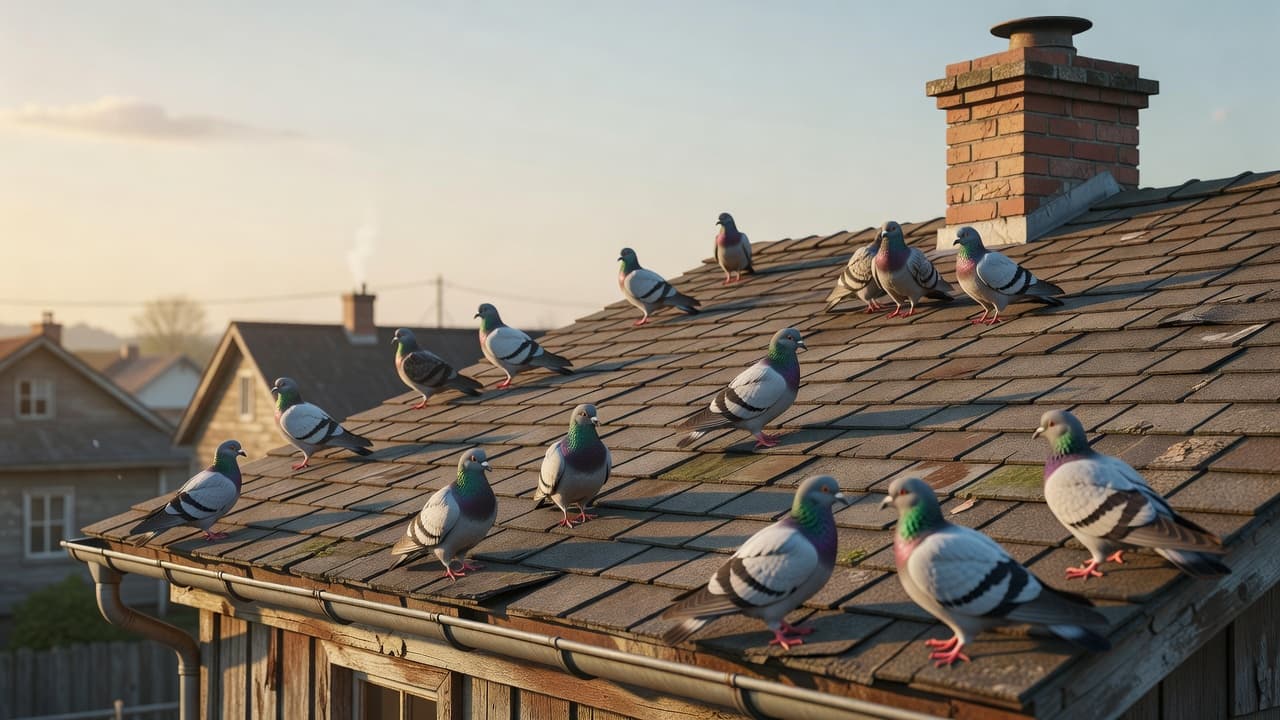
Most people may not think much about the pigeons perched on their rooftop. They may seem harmless enough, but pigeons are far from being harmless. They are creatures with strong nesting habits, which means they return to the same site, and once a pigeon has settled down, many others will come.
That is why more and more homeowners are investing in professional pigeon removal early to avoid expensive repairs and unnecessary stress. Not convinced? Here are 6 reasons why every homeowner shouldn’t ignore pigeons on their roof.
#1. Pigeon Droppings Are Acidic
It’s easy to dismiss pigeon droppings as little more than an eyesore, but they can have a much bigger impact on your home. Fresh droppings are acidic enough to contribute to the deterioration of building materials, according to experts. In fact, it can do serious damage to masonry, so you can only imagine what it can do to your roofing materials. Over a period of time, the buildup can stain materials, lead to the breakdown of protective finishes, and eventually shorten the lifespan of your roof.
The problem is that pigeons are creatures of habit, which means they return to the same roosting spots, so once droppings occur, they will keep occurring.
It’s also worth mentioning that droppings can create health concerns if they are disturbed during cleaning. So, they may require protective equipment to avoid exposure to dust, bacteria, or even spores. That’s why professional removal is the safest option.
#2. Their Nests Trap Moisture
Pigeon nests are made from twigs, feathers, leaves, and whatever other debris they can find nearby. They may not be as talented at building nests as other birds, but the materials they choose trap moisture against your roof instead of allowing it to dry.
This can encourage mold growth, wood rot, and the deterioration of roofing materials. Additionally, nests tend to block paths for rainwater to drain away properly.
#3. They Bring Unwanted Pests
Pigeon nests attract unwanted pests, including other birds, but also bird mites, fleas, ticks, and insects that thrive in and around the nesting materials. These pests can spread into other parts of your property.
#4. They Can Delay Roofing Projects
If you are planning roof repairs or a complete roof installation project, pigeons can create unexpected delays. Roofing contractors need a safe and accessible work area. Active nests can complicate the process. Depending on local regulations, if there are ehhs or young birds, the work may even need to be postponed until the nesting issue has been resolved appropriately.
Even in cases where the construction can continue, you may find that crews will need to remove nesting debris and thoroughly clean the work area before they are able to start. This, too, doesn’t happen necessarily fast.
#5. They Damage More Than the Roof
Solar panels, roof vents, satellite equipment, and gutters can be affected when pigeons decide to move in. Birds frequently build nests beneath solar panels or near satellite dishes for protection, which can damage the equipment irreversibly.
#6. Small Problems Don’t Stay Small
The biggest mistake you can make is assuming the pigeons will leave on their own. They don’t, and they come back regularly if you don’t remove them. What starts with one pigeon can become a complete colony.
Pigeons are not as harmless as they seem. They can cause significant damage to your property.