
What Successful Property Projects Get Right Before Construction Begins
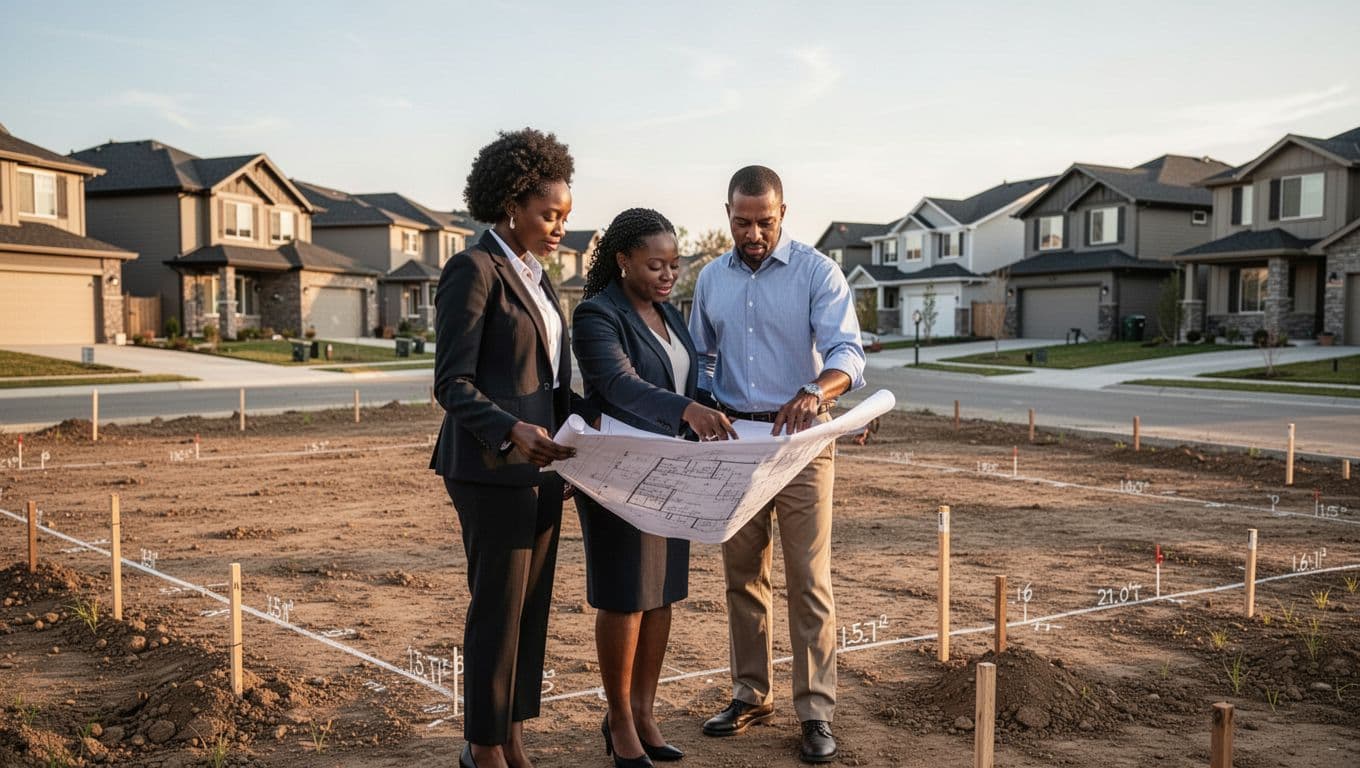
Taking on a major home improvement or property project can be both exciting and overwhelming. It’s easy to focus on the finished result, but many of the decisions that determine success happen long before construction begins. Careful planning early on can help you avoid costly setbacks and move forward with greater confidence.
The most common and expensive mistakes often happen during the planning stage. With careful preparation, though, you can avoid them. Getting the key pre-construction steps right is what makes the difference between a smooth project that stays on budget and a stressful, expensive mess.
Solidify Your Vision and Budget
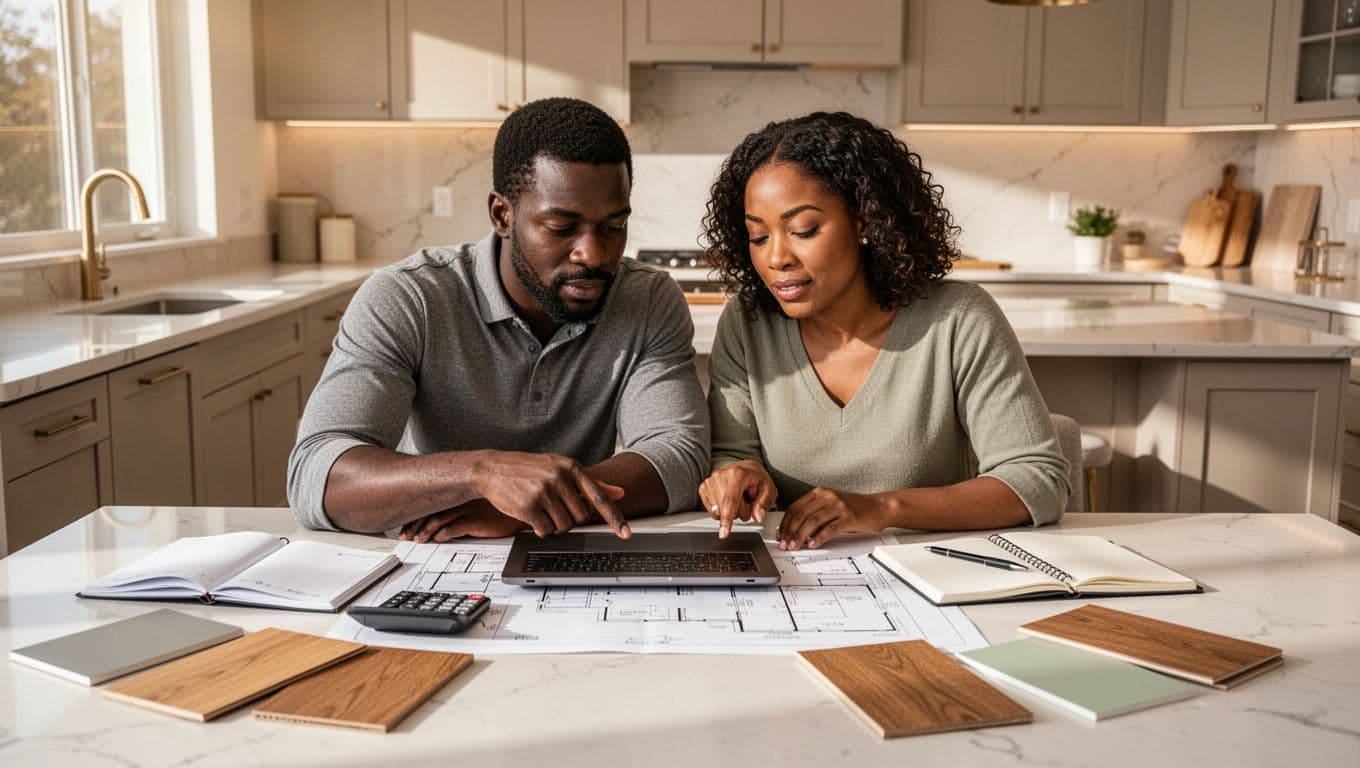
Before you even talk to an architect or builder, you need a clear idea of what you want and what you can afford. This means more than just a vague idea like “a bigger kitchen.” Think about how you use your space now and what problems you want to fix.
Write down your absolute must-haves, the things that would be nice to have, and anything that’s a definite deal-breaker. This list will be your guide for the entire project. At the same time, get a firm handle on your money. Figure out a realistic budget that covers not just the building costs, but also fees for professionals, planning applications, and a backup fund of at least 10-15% for unexpected problems. Being honest about your budget from the start will save you a lot of heartache and tough decisions later on.
Understand the Ground You’re Building On
One of the most important steps, but often overlooked, is understanding the land itself. What’s under the ground can really affect your project’s design, schedule, and cost. If you just assume the ground is stable, you could end up with big structural problems later. Before finalising any architectural plans, it’s important to understand the site’s ground conditions. This may involve assessments such as geotechnical drilling and probing, which help identify soil characteristics, stability concerns, and groundwater conditions before construction begins.
Assemble Your A-Team
You can’t build a successful project all by yourself. The team you choose, from your architect and structural engineer to your builder, will be your partners. Don’t just pick the cheapest quote. Look for professionals who have a proven track record with similar projects, and always check their references. Ask to talk to their past clients to get a sense of how they communicate and how they handle challenges. A good team will not only do high-quality work but also guide you through the process, offer good advice, and communicate clearly every step of the way. You need to feel confident that you can be open and honest with them.
Navigate the Paperwork Maze
Dealing with the paperwork side of a building project can feel overwhelming, but it’s essential. Depending on how big your project is, you’ll likely need to get planning permission and follow building regulations. Planning permission is about how the building looks and what it’s used for, while building regulations set the standards for how it’s designed and built. It’s smart to bring in your architect or a planning consultant early to help you navigate this process. They can tell you what’s likely to get approved and prepare all the necessary drawings and documents. Properly preparing to build means getting all your legal and administrative ducks in a row well before you plan to start work on site.

A well-prepared application is more likely to get approved quickly, which keeps your project on schedule. Rushing this stage or trying to skip official channels is a recipe for disaster, possibly leading to fines and orders to tear down your work.
Taking the time to get these pre-construction elements right sets the stage for a project that’s not only beautiful but also well-executed, on time, and within budget. This thorough preparation is your best way to turn your property vision into a reality with as little stress as possible.