
Creating a Nursery That Supports Your Life, Not Just Your Baby
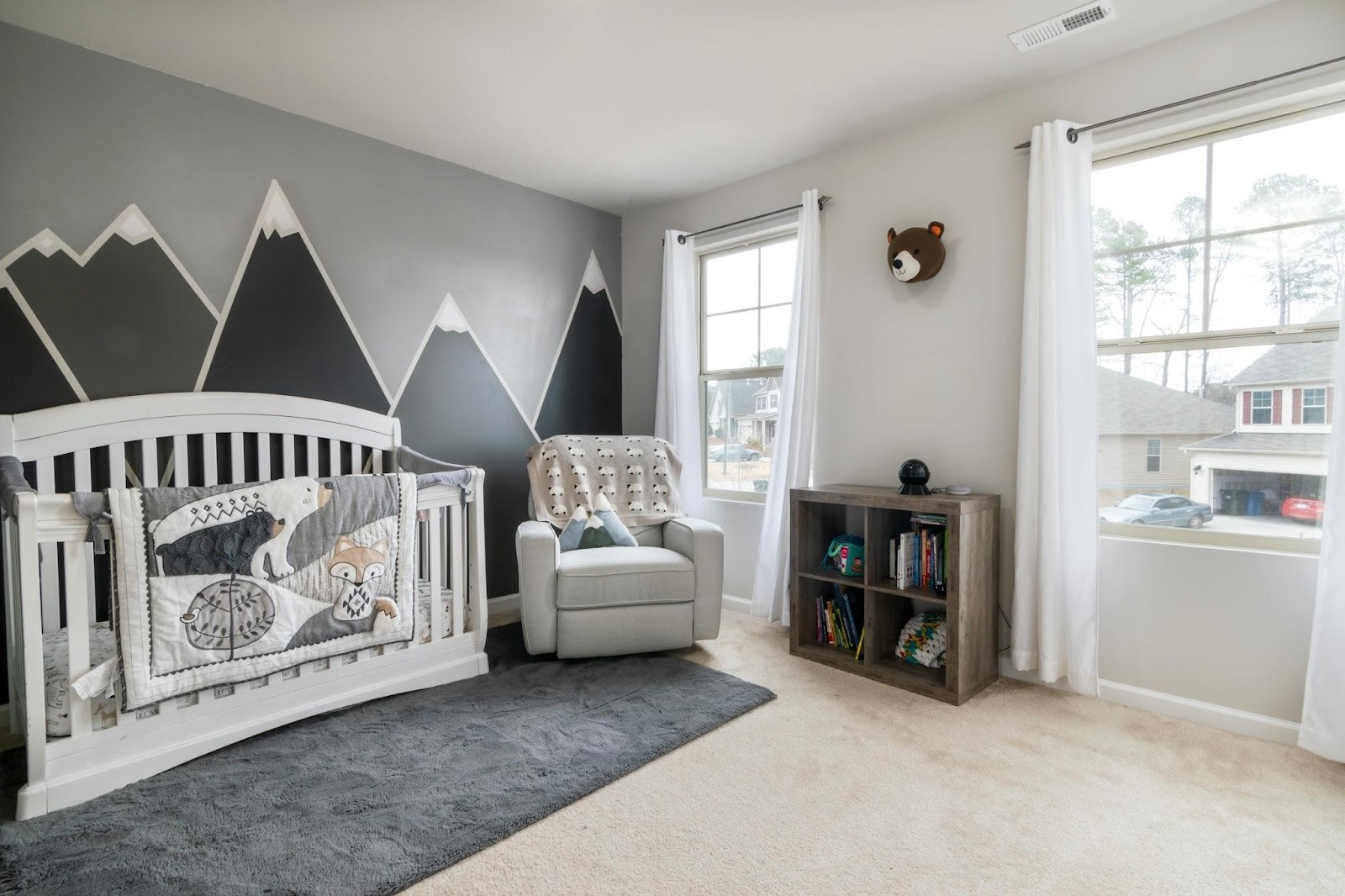
Designing a nursery often feels like it’s all about your baby. Soft colors, tiny blankets, and carefully chosen decor tend to take center stage. And yes, this is your baby’s space.
But here’s something many people don’t talk about enough: you’ll be using this room just as much.
From late-night feeds to early morning changes, your nursery needs to support your daily routine. When it works for you, everything feels a little easier.
How Do You Create a Functional Nursery?
To create a functional nursery design that supports both you and your baby, focus on comfort, easy access to essentials, a simple layout, and furniture that grows with your child.
Focus on Function First
It’s easy to get caught up in how a nursery looks. Pinterest-perfect spaces are everywhere.
But function matters more than aesthetics in your day-to-day life.
Think about how you will actually use the room:
- Where will feeding happen?
- Where will diaper changes take place?
- Where will you sit during late-night wake-ups?
Answering these questions helps you design a space that works, not just one that looks good.
Prioritize Your Comfort
If there’s one thing for sure, when you have your baby, you are going to be spending a lot of time sitting in the nursery, especially during those early months, and that means that a comfortable chair is not a luxury for you to have in the nursery it is an essential piece of equipment.
When looking for the perfect nursery chair, you should look for a piece that offers good support, plenty of space for you to move around, and ideally, armrests that will support you more than a chair without them. This is the place where you are going to feed, settle, and sometimes just pause and relax with your baby, so it needs ot be just right, and if that means trying out lots of chairs before you settle on one, then so be it.
Look for a chair that offers:
- Good back support
- Comfortable armrests
- Enough space to move
- Easy cleaning
It’s also a good idea to think about adding a small side table where you can keep water, snacks and other essentials so you can just grab them when you need them during those long nights.
Your comfort has a direct impact on how manageable life with a new baby is, so you do not want to slack on this stuff.
Create Easy Access to Essentials
Small tasks feel harder when everything is out of reach.
Set up your nursery so the items you use most are always nearby.
Keep these essentials within reach:
- Diapers and wipes
- Extra clothes
- Feeding supplies
- Burp cloths
Well-planned storage helps you move through your routine with less stress and fewer interruptions.
Choose Furniture That Works Long-Term
When you are picking out furniture for baby room spaces, it is always worth thinking well beyond the newborn stage. Many items only work for a short time when your baby is small. Replacing them quickly can get expensive, so choose pieces that adapt over time.
For example, choose a dresser that doubles as a changing station or a cot that converts into a toddler bed to use your furniture longer. It just makes sense to choose these kinds of adaptable pieces over more limited ones, right?
Simplify Your Nursery Layout
When you are tired or holding a baby, convenience matters. Having everything you need within arm’s reach can make daily tasks much easier. So, think about where you will store nappies, wipes, clothes, and feeding supplies. Keeping these items organised and accessible reduces the need to move around unnecessarily.
Make sure you can:
- Move easily between key areas
- Reach essentials without bending or stretching too much
- Navigate the space in low light
A simple layout makes your daily routine smoother. Well-planned storage helps you handle small tasks more easily, reduces stress, and lets you enjoy time with your little one.
Use Soft, Practical Lighting
Lighting is more important in a nursery space than you might think. It can determine how the atmosphere feels, especially at night. So it is a good idea to invest in soft, adjustable lighting that can make those late-night feeds less disruptive for you both. A dim lamp or warm light source is usually more practical than a big overhead light that can wake you and your baby up more than you would liek and feel harsh on your eyes. Restful is what you should be aiming for with your lighting choices.
Design for Flexibility
It’s fair to say that your needs will change quickly in the first year. What works in the first few weeks may not be as useful later on. So, designing a flexible space allows you to adapt without needing to completely redesign the room. This might mean choosing movable storage, keeping décor minimal, or leaving room for future additions.
What You Actually Need
You don’t need a perfect nursery. You need a space that works.
Focus on:
- A safe sleep area
- A comfortable spot for you
- Easy access to essentials
Everything else is a bonus.
Nursery Setup Checklist
Use this quick checklist to make sure your space supports your routine:
- Comfortable chair in place
- Essentials within reach
- Storage organized
- Lighting adjusted for nighttime use
- Layout easy to move through
Key Takeaways
- A functional nursery design supports both you and your baby
- Comfort matters, especially for feeding and late-night routines
- Keep essentials within arm’s reach to reduce stress
- Choose furniture that grows with your child
- A simple layout makes daily movement easier
- Soft lighting helps create a calmer nighttime routine
- You don’t need everything, focus on what you’ll actually use
Keep It Simple
It can be tempting to try and create the “perfect” nursery ready for when your baby comes along, but you know what? Perfection is not what you need. What you need is a space that works for baby and parents during their everyday life. So, focus on the essentials liek a safe space for your baby to sleep, a comfy space for you, and enough storage for your needs, and anything else is a bonus. You really don’t have to do it all right now.
Creating a nursery isn’t about perfection. It’s about making your daily life easier. When your space supports you, everything feels more manageable. And that matters just as much as anything you choose for your baby.
Frequently Asked Questions
A functional nursery design focuses on ease, comfort, and accessibility. Everything you need should be within reach, and the layout should support your daily routine.
The essentials include a safe sleep space, a comfortable chair, and easy access to diapers, wipes, and feeding supplies. Everything else is optional.
Use multi-purpose furniture, keep storage simple, and avoid overcrowding the space. Focus on what you use daily and keep those items close.
No. Start with the basics and add items as needed. Too much furniture can make the space harder to use.
Use soft lighting, keep essentials nearby, and create a layout that allows you to move easily without turning on bright lights.