
Why Word Games Are Still Popular in a Digital World
In a world filled with fast-moving apps and constant notifications, the word games popularity may come as a surprise. Even with endless scrolling and digital distractions, these games continue to hold their ground.

It doesn’t matter if you play it for a few minutes a day or you simply love settling in for longer sessions after a hard day. Word games offer something that many modern digital distractions don’t. This is satisfaction and focus. There is also a high level of engagement. Instead of competing with technology, word games have simply adapted alongside it, finding new relevance in a digital world.
The ongoing word games popularity can be explained by a few simple benefits that continue to matter in a digital world:
- Improve focus and concentration
- Encourage problem-solving and language skills
- Fit easily into busy lifestyles
- Offer calm entertainment without sensory overload
The Appeal of Simplicity in Entertainment
Many modern forms of entertainment often demand that you have a quick reaction, constant interaction, or some kind of visual overload. Word games, by contrast, will offer you a much simpler experience. You don’t need to have fast reflexes or even specialized skills.
All you need is curiosity as well as a willingness to think. This kind of simplicity is what makes word games so easy to return to. They don’t feel exhausting or overwhelming in any way, which is often why they fit naturally into many people’s daily routines. You can engage with them during your quiet moments without feeling any form of pressure to perform or even compete.
Mental Engagement Without Pressure
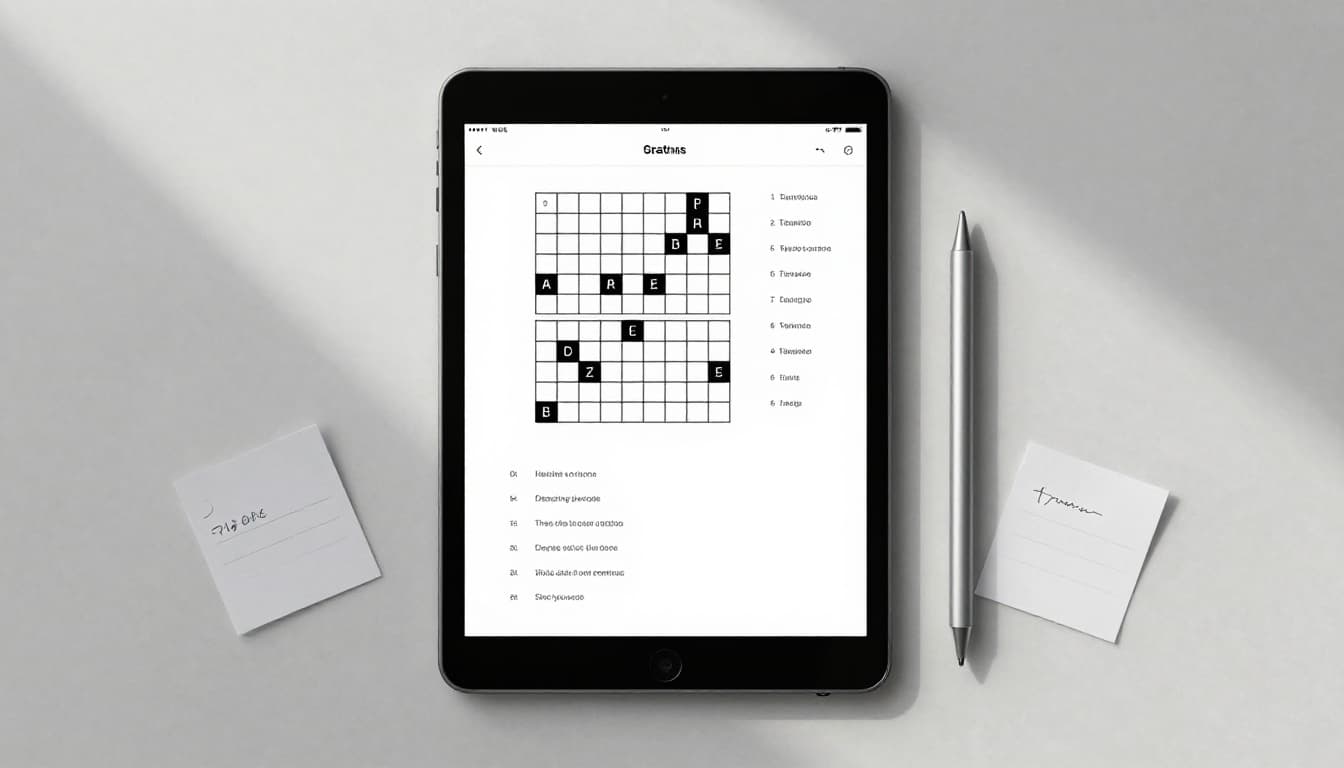
One of the key reasons why word games have endured is that they have a balance of accessibility and challenge. This will stimulate your mind without placing you under too much pressure. You are encouraged to think and test out your ideas at your own pace.
This type of engagement will feel very rewarding instead of stressful. Instead of having to chase scores or even rankings, you are able to focus on solving problems as well as making connections. For many people, this will create a much healthier relationship with gaming. You’ll have an experience that is centered on enjoyment instead of performance.
A Natural Fit for Busy Lifestyles
Modern life can get very busy and not everyone has the time to have long gaming sessions. Word games are able to fit very easily into short breaks or your moments of downtime.
You can stop, start and return without losing progress or even momentum. Because of this kind of flexibility, word games will usually become a part of your everyday life. They are something that you can enjoy with a morning coffee while unwinding or during your commute. This kind of adaptability will help to explain exactly why they have remained so relevant across generations.
Language, Culture, and Curiosity
Word games are deeply connected to culture as well as language. As you start to play, you will engage with a lot of vocabulary and expressions, many of which are drawn from everyday life. This will keep your experience relevant and fresh even as trends start to change.
You may notice that word games will often reflect popular culture and current events. This kind of connection will keep them from feeling outdated. Even when the formats themselves have existed for several different decades.
Digital Platforms and Wider Access
While world games have long existed in print, digital formats have started to expand exactly how and when you can play. Online access will allow you to explore a wide range of formats as well as puzzles. From quick challenges to much more involved games, it’s all there for you to take advantage of. Platforms that offer puzzles such as crossword make word-based games a lot more accessible than they ever were before.
Digital features such as hints and progress tracking will help to accommodate both beginners and experienced players. They remove barriers that once limited participation.
A Break From Screen Fatigue
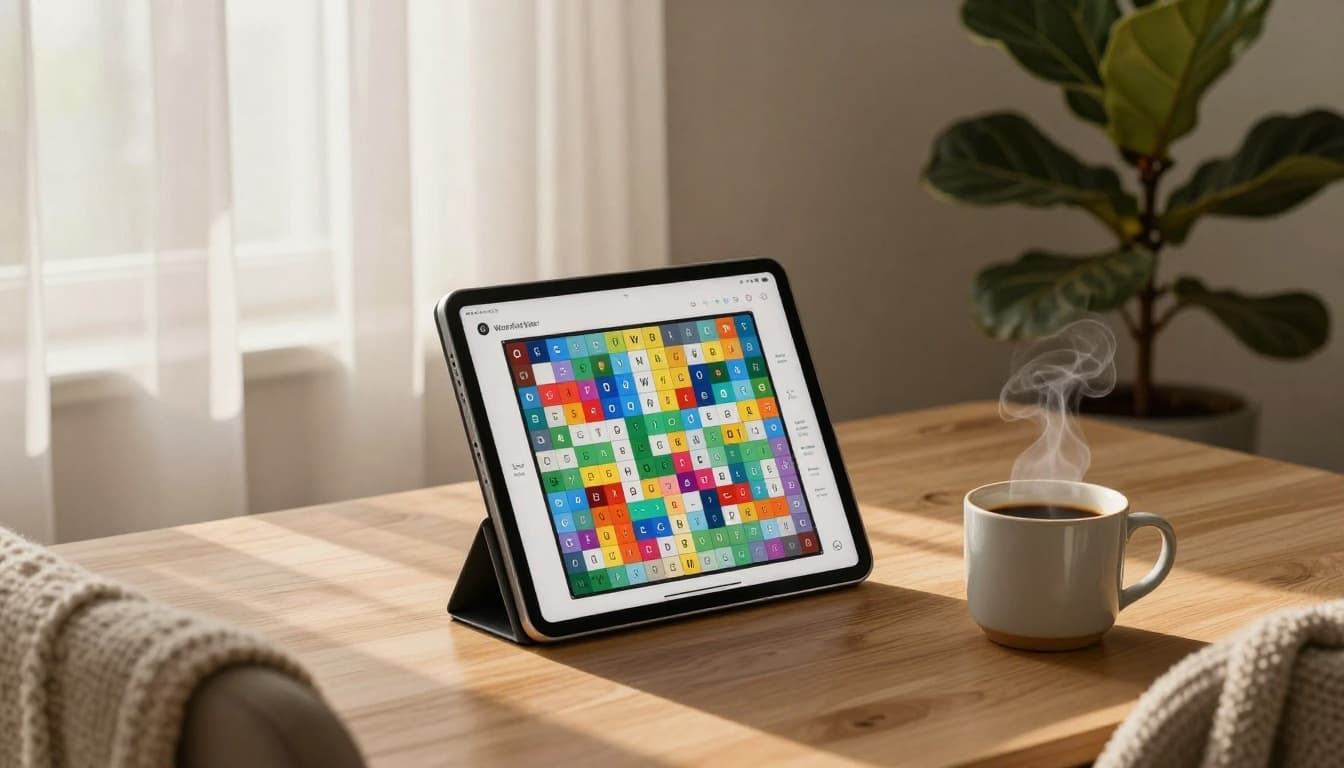
Ironically, word games will often feel like you are taking a break from any sort of digital overload, even when they are played on a screen. Unlike visually intense apps, they usually encourage focused thinking as well as slower interaction. This can make them feel much calmer and grounded.
By directing your attention toward problem solving and language, word games can help you to reduce the mental clutter you may have that can be caused by constant notifications and rapid consumption of content.
Social Enjoyment Without Competition
Although word games are often played alone, they still offer some subtle social benefits. You may compare your answers, discuss favorite games with others, and share some tricky clues.
This creates a sense of shared experience without the pressure of having to deal with direct competition. Since success isn’t defined by losing or winning, these types of interactions feel relaxed and exclusive. People of different ages and skill levels are able to enjoy the same game in their own personal way.
Why Word Games Continue to Matter
Word games have survived several different waves of technological changes because they meet a fundamental human need. This is a desire to solve problems, think and learn in a way that is satisfying.
They don’t rely on trends or complex mechanics. Instead, what they do is engage in something timeless, which is your relationship with language. In a digital world that will often prioritize volume and speed, word games offer a sound alternative. They invite you to slow down, enjoy the process of thinking and give you a chance to focus.
A Timeless Form of Entertainment
Ultimately, the lasting popularity that word games have isn’t accidental. They have evolved without ever losing their core appeal.
If you’re looking for entertainment that is going to challenge your mind without overwhelming it in any way, then word games remain a very reliable and rewarding choice. They are proof that simple ideas can still thrive, in a digital age. There is a lot to explore so choose your favorite game and get started online there is a lot of variety and new challenges at your disposal almost every day.
Frequently Asked Questions About Word Games
Word games remain popular because they offer mental engagement without pressure. They help people slow down, focus, and enjoy problem solving in a fast-paced digital world.
Yes, word games are good for your brain because they support memory, vocabulary, and critical thinking. Regular play can help keep the mind active without causing mental fatigue.
Word games can help reduce stress by encouraging focused thinking and calm interaction. They provide a relaxing break from constant notifications and visual overload.
Word games can improve vocabulary by exposing players to new words and language patterns. Over time, this can strengthen communication and language skills.
You can play word games as often as you like, even for just a few minutes a day. Short, regular sessions are enough to enjoy the benefits without feeling overwhelmed.