How to Know When You Need to Call a Plumber
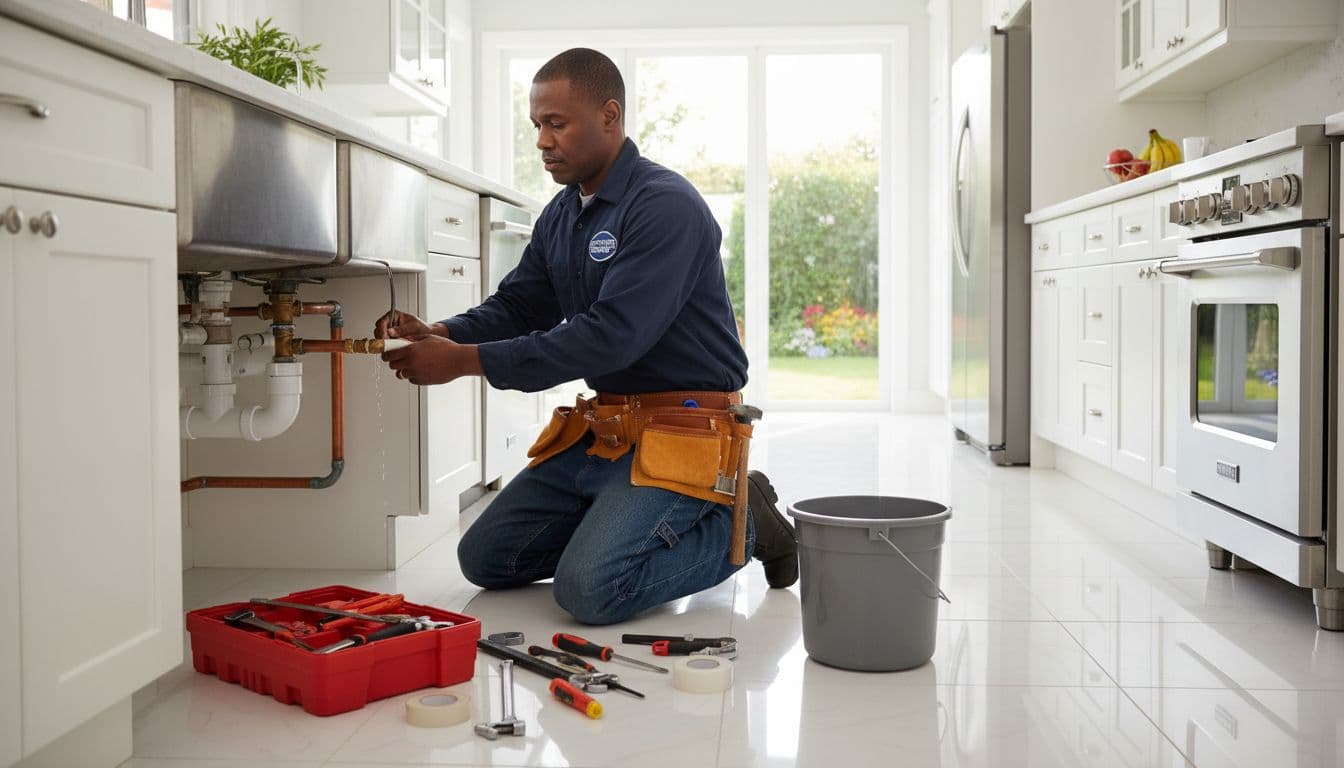
When you own a home, you have the joy of being able to decorate it and change it as you see fit. But one downside is the fact that you also have to maintain your home. This takes time and money, and it can be stressful when things go wrong.
While you can make a few changes and keep some things in good condition with some basic DIY skills, sometimes you need to call a plumber like Bluefrog Plumbing.
Signs You May Need to Call a Plumber
Plumbing issues often start small but can quickly become serious problems. Knowing the warning signs can help you act before the damage spreads. If you notice unusual sounds, strange smells, slow drains, or water stains, it may be time to contact a plumber.
Many homeowners try quick fixes first. While some minor problems can be handled with basic tools, ongoing plumbing issues usually need professional attention. Calling a plumber early can save time, money, and stress.
Common Plumbing Problems Homeowners Face
Here are a few situations when you know that you’ll need a plumber.
1 – Low Water Pressure
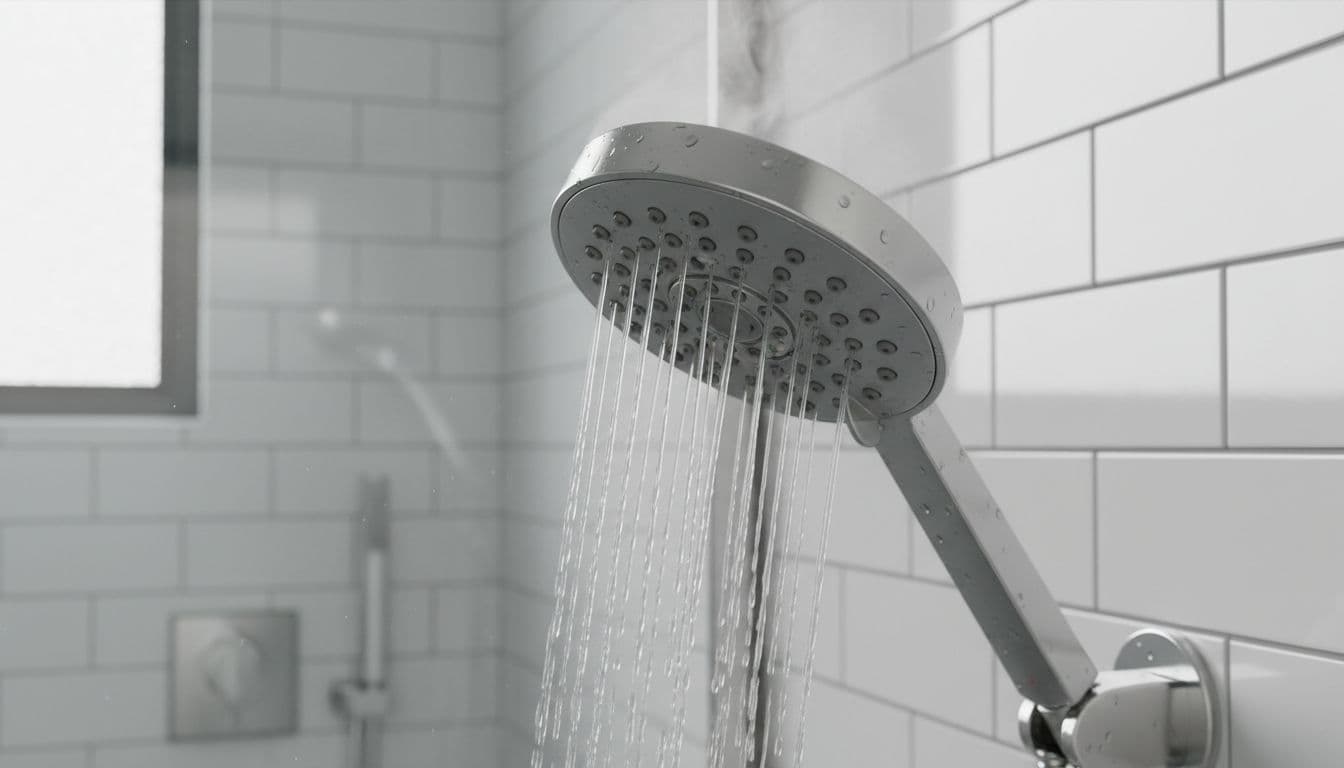
Low water pressure can cause a lot of problems, so it’s best to catch it quickly. You might first notice that you have a problem with low water pressure if you’re trying to have a shower and end up spending far longer than you should rinsing your hair.
As well as being frustrating and potentially more expensive because you end up using more water, this can lead to more severe issues, including backflow. As the name suggests, backflow happens when water goes down into the drain, then comes back again. Unfortunately, backflow water has often been in the plumbing system and potentially mixed with sewer water, so it tends to smell awful and can be a pain to clean.
A plumber can restore the water pressure so you can get all the water you need, and, even better, the water will flow downwards as it’s supposed to.
2 – Cold Water
A cold shower can be pleasant during a hot day, and some people swear by them. But a cold shower isn’t always welcome, especially when you aren’t expecting it. A lack of hot water commonly happens in winter and is usually due to a failed water heater.
A professional plumber can check your heating system and hopefully restore it, allowing you to have more hot showers.
3 – Burst or Cracked Pipes
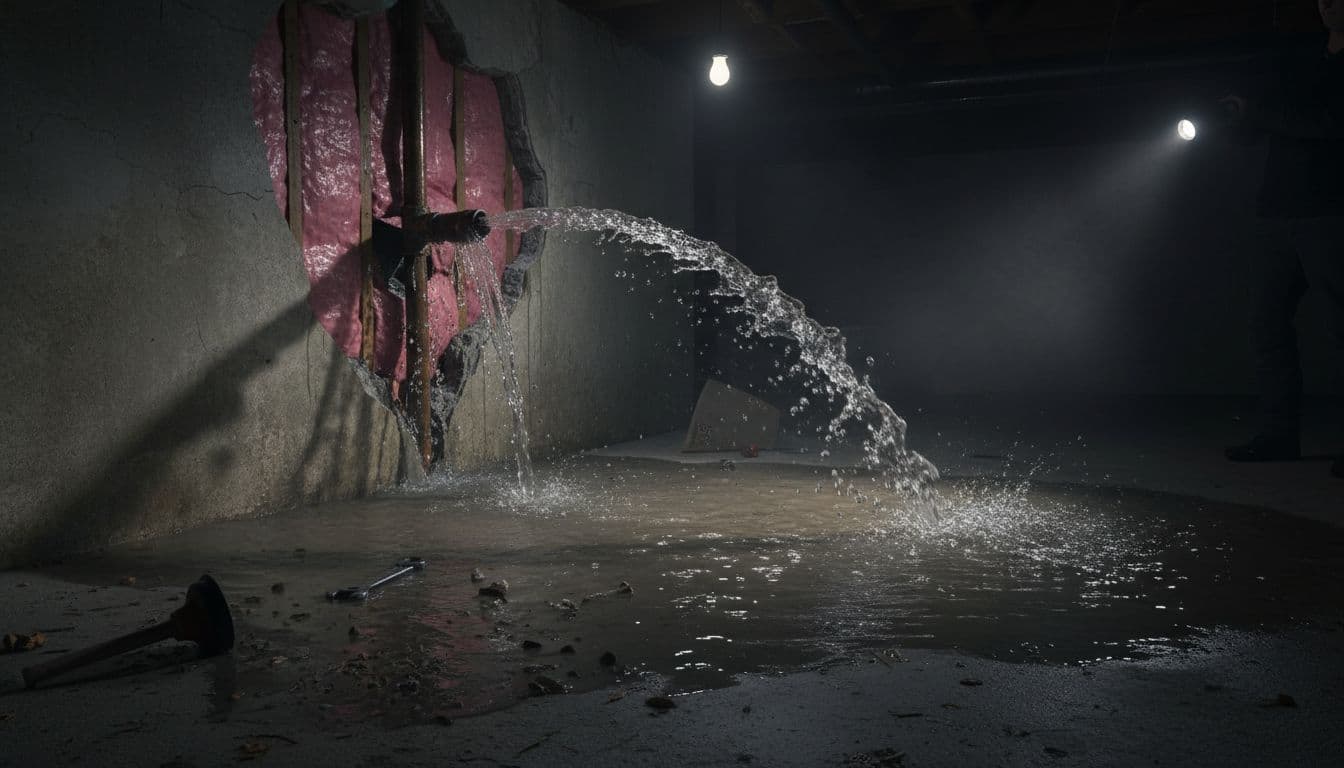
Pipes can get damaged over time. This can be due to normal wear and tear, blockages, external damage, or freezing temperatures. But whatever the cause, a burst or cracked pipe can represent a huge issue.
In some cases, a broken pipe can lead to a complete lack of water where you’re expecting it. This is annoying, but the real problem comes from where that water might be ending up. Over time, a burst or leaking pipe can cause a huge amount of water damage.
As well as calling someone to potentially repair the damage to your home, you should get a plumber to fix the pipes.
4 – Home Renovation
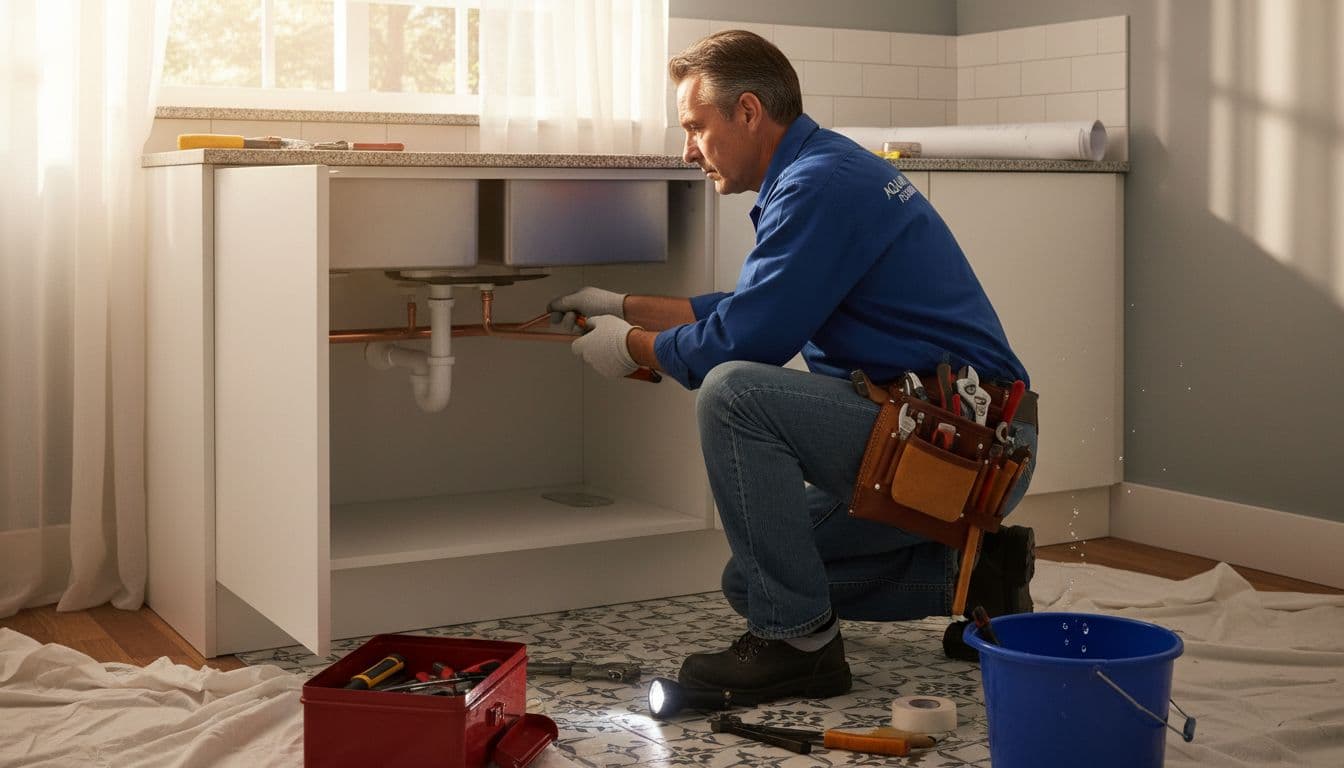
If you’re getting major renovations done to your home, you might need to call a plumber. This is mostly true for bathroom and kitchen renovations, where you might be installing new appliances and potentially even changing the layout of the room.
A plumber can install your appliances correctly and make sure everything works as it should. They can also help prevent leaks and future plumbing problems.
5 – Slow Drains That Won’t Clear
A slow drain is one of the most common plumbing problems. It often starts in sinks, bathtubs, or showers. Hair, grease, soap residue, and food particles can build up in your pipes.
A plunger or drain cleaner might offer a temporary fix. However, if the drain continues to slow down, the blockage may be deeper in the plumbing system. A plumber can safely remove the buildup and restore proper water flow.
6 – Unusual Sounds in Your Pipes
Your plumbing system should operate quietly. If you start hearing banging, rattling, or whistling sounds, something may be wrong.
These noises can signal air trapped in the pipes, loose pipe fittings, or high water pressure. Over time, these issues can damage your plumbing system. A plumber can inspect the pipes and correct the problem before it worsens.
7 – Water Stains or Damp Areas
Water stains on ceilings, walls, or floors often indicate a hidden leak. You may also notice damp spots, peeling paint, or a musty smell.
Leaks behind walls or under floors can lead to mold growth and structural damage. A plumber can locate the leak and repair it before it causes further harm.
Final Thoughts
Home plumbing systems work hard every day. When something goes wrong, it is important to address the issue quickly.
If you notice low water pressure, cold water, damaged pipes, or other warning signs, it may be time to call a plumber. Acting early can protect your home and prevent costly repairs.