
What People Are Actually Tracking in Their Wellness Routines (And Why)
Health tracking is a big business these days. And with more and more people wanting real-time updates on their health, to monitor their bodies, or provide updates for health conditions, the market and scope of the technology are growing alongside this demand.
But what exactly are people tracking and why? There are different metrics and variables people want to understand about their bodies for multiple reasons.
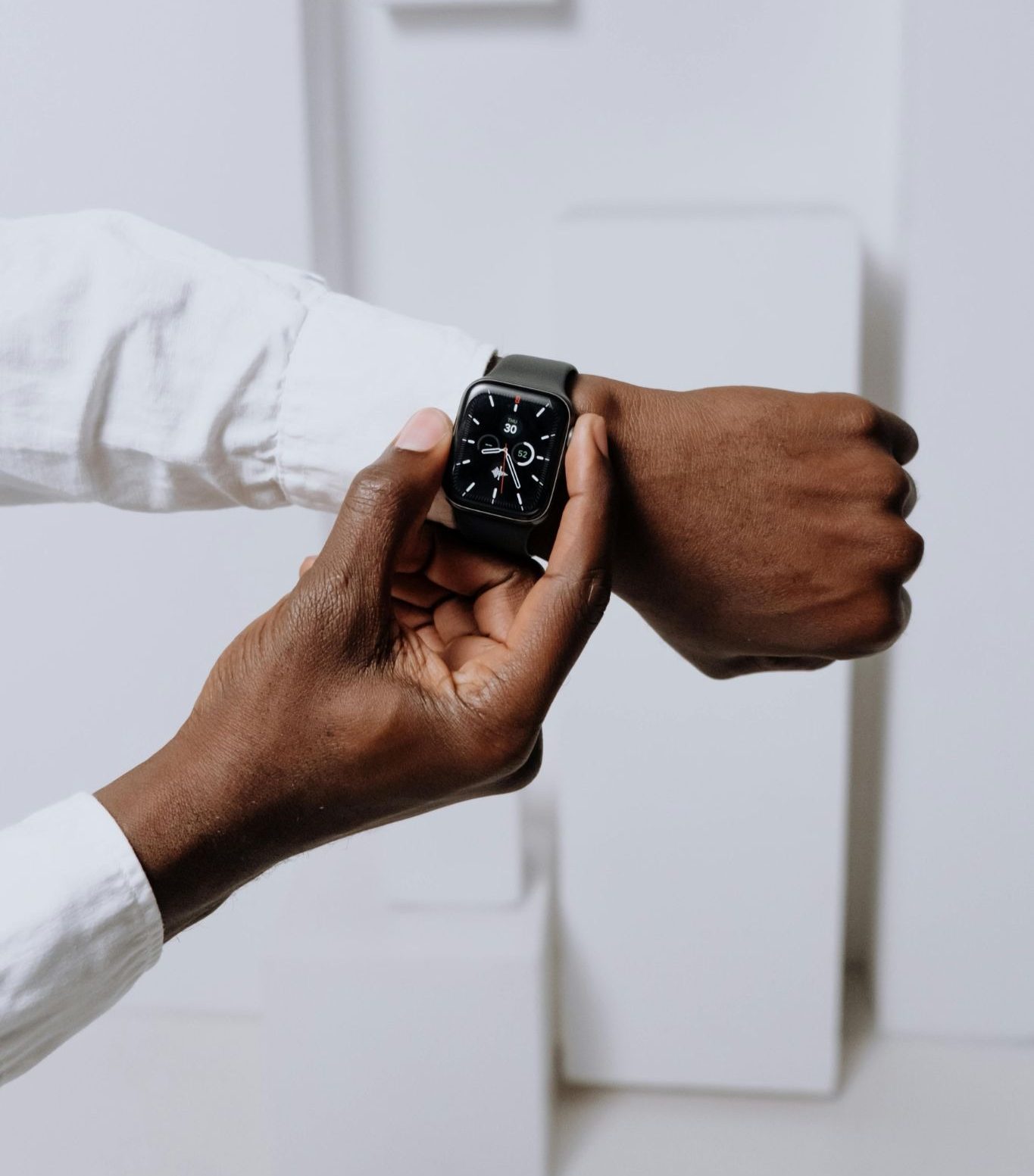
Resting Heart Rate Trends
Resting heart rate is one of the most simplest and reliableindicators of cardiovascular fitness and recovery status. Tracking your resting heart rate over time rather than in isolation is where it becomes a useful metric for you. A resting heart rate that climbs over several days can be an easy indicator that the body is under stress, fighting something,g or under stress. Most modern wearables capture it passively overnight, making it one of the easiest,t most meaningful health markers to monitor consistently.
Bioelectrical Frequency Patterns
One area attracting growing interest in the holistic and naturopathic wellness community is the use of biofeedback technology available form companies suh as Oberon Diagnostic to assess the body’s bioelectrical activity. The idea is that the body organs and tissues generate their own electromagnetic frequency patterns. And these patterns can be detected non-invasively and compared against reference data to identify where imbalances might be.
Sessions for this type of technology involve wearing a headset that picks up bioelectric signals and produces a detailed report across the body’s systems.
Blood Oxygen Saturation
SoO2 monitoring has become more widely understood during the pandemic. However, its relevance in wellness extends well beyond illness. Blood oxygen levels affect cognitive performance, exercise capacity, and sleep quality. Particularly for those who spend time altitude or suspect sleep-disordered breathing might affect their rest.
Continuous overnight SpO2 tracking is now standard in a range of consumer wearables, and the data it delivers has been instrumental for people seeking further investigations for issues they didn’t realise might be connected.
Grip Strength
This one requires no technology at all beyond a simple dynamometer. And while it’s not in the realm of other technology in this list, it’s worth mentioning as the research behind it is robust.
Grip strength is consistently shown in longitudinal studies as one of the strongest predictors of long-term health outcomes. This includes cardiovascular health and all-cause mortality. For something so simple to measure, it carries a disproportionate amount of information about overall physical resilience.
Glucose Response
Continuous glucose monitoring is a small sensor worn on the arm that tracks blood sugar in real time. They were developed for people managing diabetes, but they’ve found a significant audience in the broader wellness community.
Seeing how your blood sugar responds to different foods, sleep quality, stress, and exercise gives a level of metabolic insight that no food diary or app can replicate.
These are patterns that would otherwise be less obvious, but can become more obvious once you’re using the right tool to track and monitor different aspects of your health to give you a clearer overall picture.