Creating a Home and Brand That Reflects Your Values as a Modern Entrepreneur
Modern entrepreneurship is often discussed as a set of growth tactics: build an audience, refine an offer, increase conversion, repeat. But the entrepreneurs who sustain momentum over the long term usually build something deeper than a funnel. They build a life and a business that feel aligned. That alignment shows up in small, repeated decisions, how you set up your living space, how you structure your workday, what you say yes to, and how you present your brand in public.
Values are not a slogan. They’re a filter. When your environment supports your focus and your brand communicates with clarity, you don’t have to fight yourself to stay consistent. You spend less time “getting in the mood” to create and more time actually doing the work.
Values start at home because attention starts at home
Your home is not separate from your business if you work from it, think in it, rest in it, or recover in it. Even if you have an office elsewhere, your home shapes your baseline state: the quality of your sleep, the noise you carry into the day, the level of distraction that surrounds you, and how quickly you can return to calm after stress.
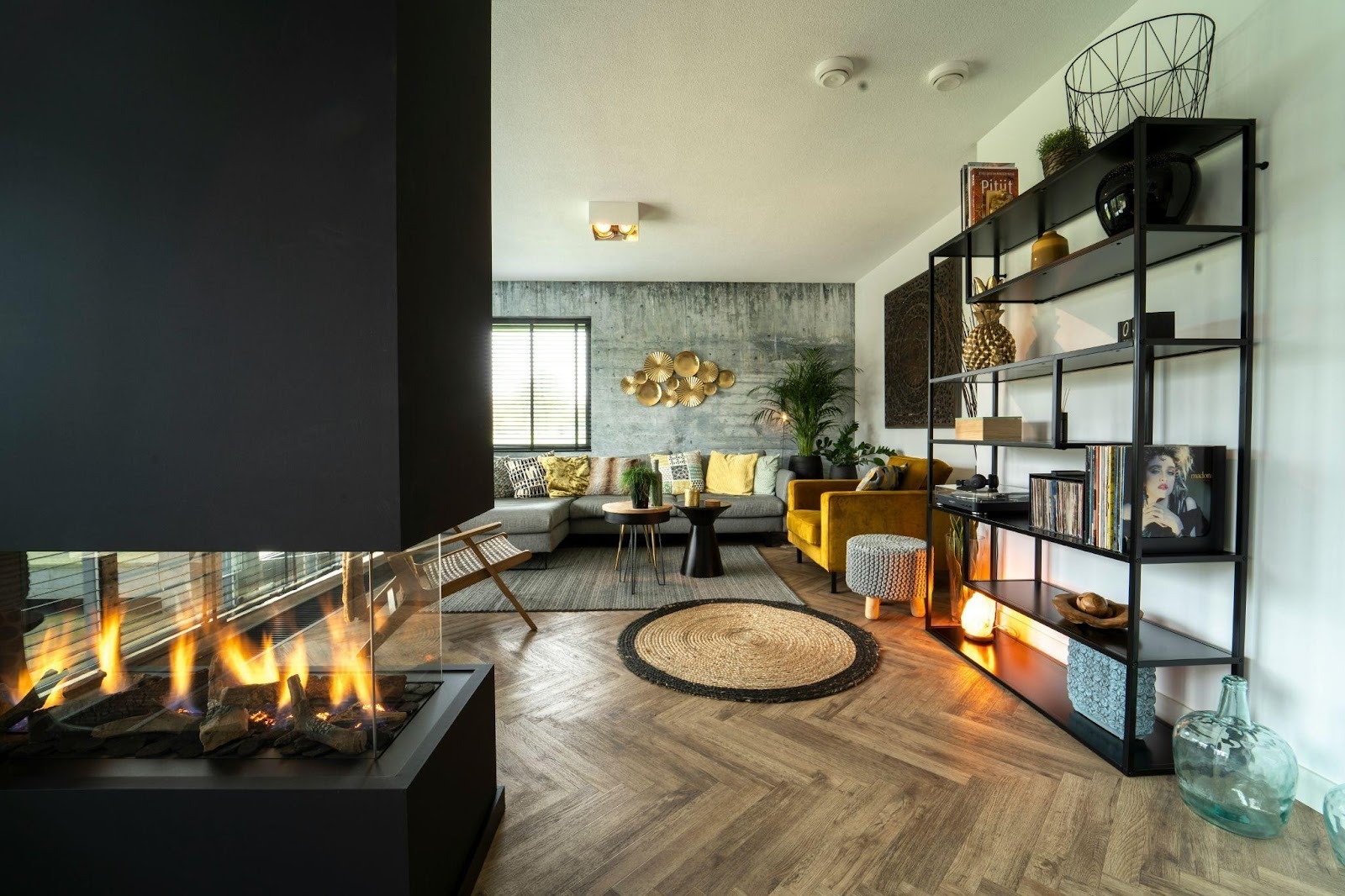
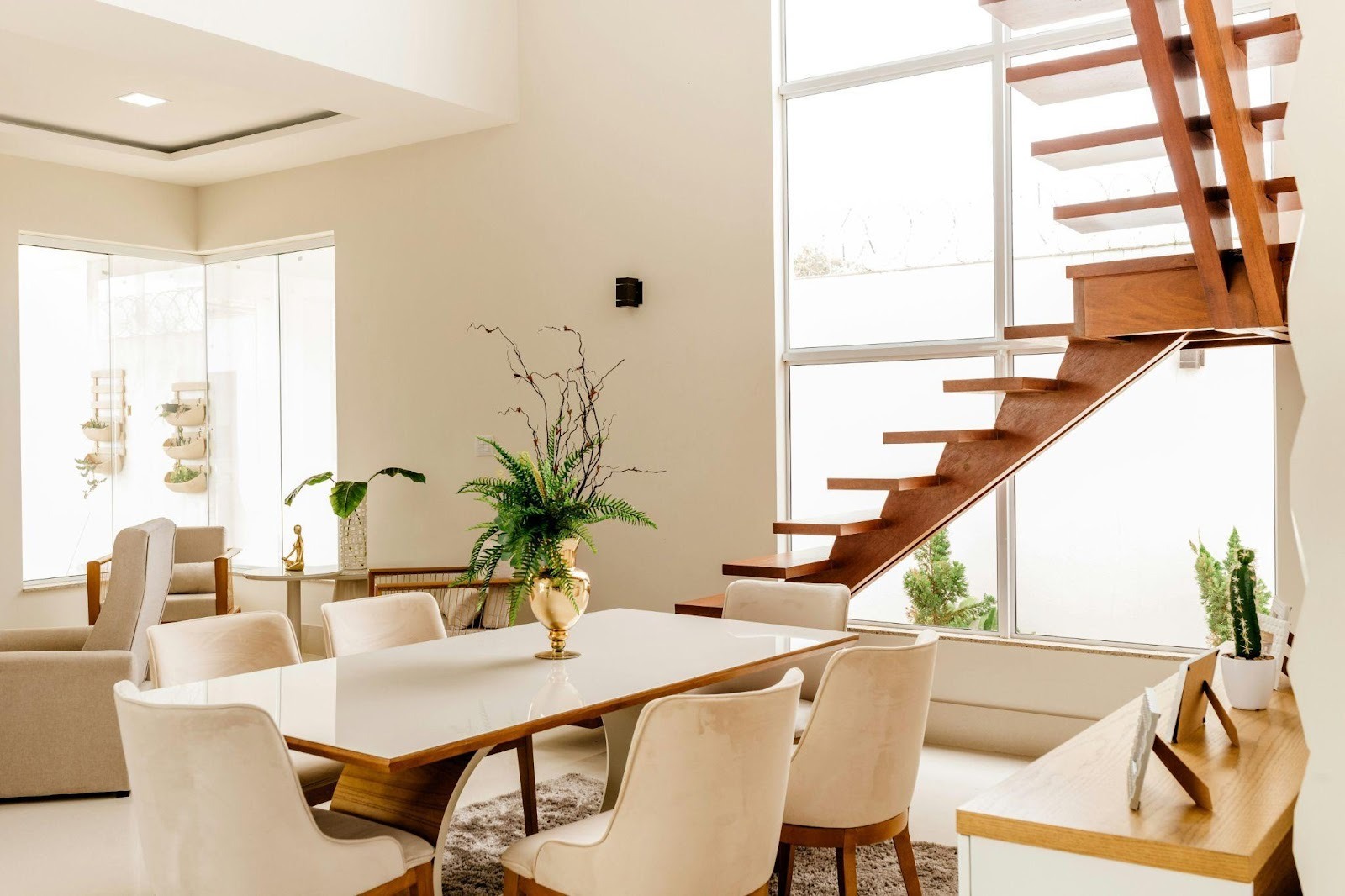
Intentional spaces don’t need to look perfect. They need to be supportive. That might mean designing a dedicated area that signals “this is where I do focused work,” or it might mean simplifying your living room so your brain stops registering clutter as unfinished business. When a space reflects your values, it becomes easier to act in line with them. You’re not forcing discipline; you’re reinforcing it.
Calm is not aesthetic, it’s operational
A calm environment isn’t only about beauty. It’s about reducing micro-friction. If your desk is constantly a mess, you’ll spend time clearing it. If your lighting is harsh, you’ll fatigue faster. If your storage doesn’t work, you’ll keep creating piles. These small issues add up and quietly tax your energy.
The goal is to remove needless decisions. Entrepreneurs make hundreds of decisions a day; your home can either amplify that burden or reduce it. When you set up systems that make your day smoother, where things go, what stays visible, what stays tucked away, you preserve attention for the work that actually moves your business.
Creating a calm, intentional home environment can directly impact focus and creativity, especially for women balancing personal growth and business goals. Thoughtfully chosen décor from brands like Colin and Finn can help transform everyday living spaces into places that feel both functional and inspiring.
Designing your space around the person you’re becoming
A values-led home isn’t a reward you earn after success. It’s a support you build while you’re creating success. One practical way to do this is to identify what you want your space to make you feel, then design backwards.
If you value clarity, you might prioritize clean surfaces, open walkways, and a few high-quality items that don’t compete for attention. If you value warmth and connection, you might focus on soft lighting, seating that invites conversation, and textures that make the space feel grounded. If you value craft, you might display objects that reflect your taste and standards, not as decoration but as reminders of the quality you want your business to represent.
When your space reflects your values, it reinforces identity. And identity is one of the strongest drivers of consistent behavior.
The brand is the external version of your environment
What your home does internally, support your attention, your brand does externally, support trust. A brand that reflects your values makes it easier for the right clients to recognize you, and it makes it easier for you to communicate without feeling like you’re putting on a costume.
Values-led branding is not about being loud. It’s about being coherent. The way you write, the way you design, the way you package your services, and the way you show up in public should tell the same story. When those elements match, your brand feels steady. When they don’t, it feels like you’re chasing trends.
Many entrepreneurs underestimate how much consistency matters. Over time, people trust what they can predict. A cohesive brand doesn’t have to be rigid, but it should be recognizable.
Purpose isn’t enough without practical expression
It’s easy to say you value community, sustainability, creativity, or empowerment. The challenge is expressing those values in ways people can actually see and experience. That expression can show up in your policies, your client experience, and the choices you make about what you create.
It can also show up in the tangible materials that represent you in the real world. Even in a digital-first business, physical touchpoints still matter. When you hand someone a beautifully designed card, send a branded insert with a product, or display clean signage at an event, you’re telling people what standards you hold.
This is the difference between values as personality and values as practice. Practice is what people remember.
Making professionalism feel aligned, not corporate
Some entrepreneurs resist “professional” branding because they associate it with being impersonal. But professionalism doesn’t have to mean cold. It can mean clarity. It can mean making it easy for someone to understand what you offer, how to work with you, and what to expect.
Professional materials become especially helpful when you’re building partnerships, attending local events, collaborating with other businesses, or simply trying to make your brand feel real beyond a screen. The key is to design materials that match your voice. If your values emphasize simplicity and honesty, your materials should be clean and direct. If your values emphasize creativity and joy, they should feel expressive and warm.
Beyond the home, entrepreneurs also need tools that help them present their message clearly and professionally. Resources like Print Moz (https://www.printmoz.com/) make it easier to create custom marketing materials that support brand visibility while staying aligned with personal values.
The identity loop between home and brand
Home and brand influence each other more than most people realize. When your home environment feels chaotic, you may default to reactive marketing, posting because you feel pressure, changing your offer too quickly, or overexplaining yourself. When your space feels steady, you’re more likely to create from clarity.
The reverse is also true. When your brand feels aligned, it reduces background stress. You don’t second-guess every post. You don’t constantly compare yourself. You can focus on doing good work because your brand already communicates who you are.
One useful mental model is to treat your home as the “backstage” of your brand. Backstage should be supportive, not draining. The more intentional your backstage, the more confident your front stage becomes.
Turning values into repeatable systems
Values become real when they shape how you operate. If you value time, you design boundaries around your schedule. If you value wellbeing, you build recovery into your week. If you value sustainability, you choose materials and processes that reflect that commitment even when no one is watching.
This approach is supported by a broader understanding of values-based living, where choices are guided by what matters most rather than by short-term pressure; the American Psychological Association’s overview of stress and coping is a helpful reminder that supportive routines and environments can meaningfully shape how people function day to day.
The point isn’t to create a perfect system. It’s to create a repeatable one. Your home and your brand should make it easier to repeat the behaviors that lead to growth: focused creation, clear communication, and steady presence.
A values-led life is a competitive advantage
In crowded markets, what separates entrepreneurs is rarely a single tactic. It’s stamina, clarity, and trust. When your home supports your focus and your brand reflects your values, you protect all three. You make it easier to show up consistently without burning out. You make it easier for people to understand you without confusion. And you make it easier to build a business that feels like it belongs to you.
A home and brand that reflect your values are not separate projects. They’re one integrated strategy: live in a way that supports your best work, and present your work in a way that feels honest. That’s how modern entrepreneurs build something that lasts.