
Why Involving Your Toddlers With Your Chore Lists Can Make For Beautiful Bonding Time
A chore is usually framed as a task to be completed, a tick on a list, something squeezed between more enjoyable parts of the day. Yet inside a family home, a chore can be something else entirely, if you reframe it correctly. It can become a shared ritual, a gentle collaboration, a surprisingly rich space for connection. When toddlers are invited into everyday responsibilities, the focus shifts from efficiency to togetherness. The outcome is trust, curiosity, and belonging.
Toddlers live in a world defined by imitation. They study how adults move, speak, and react. They want to participate rather than observe from the sidelines. Treating chores as moments of inclusion supports that instinct. Instead of viewing young children as interruptions, it recognises them as willing companions. This reframing alone can change the emotional rhythm of domestic life.

Why Toddlers Want To Participate
Early childhood is driven by an intense desire to understand how things work. Toddlers are not motivated by spotless floors or organised cupboards. They are motivated by involvement. They want to handle the sponge, push the broom, and carry the cloth. Participation satisfies that deep developmental need: agency. It allows them to feel capable within their environment.
There is also comfort in routine. Chores happen daily, often at predictable times. For a toddler, predictability builds security. Knowing that after breakfast comes tidying, or that before bath time toys are gathered, creates a rhythm that anchors the day. Within that rhythm, shared tasks become reassuring landmarks rather than obligations.
Importantly, participation also builds confidence. A toddler who is trusted with small responsibilities hears a powerful message. You are competent. You belong here. That sense of contribution strengthens self esteem long before academic achievements enter the picture.
Bonding Through Shared Purpose
Connection thrives when people work alongside each other. Chores just give such a natural structure for this. They involve movement, conversation, and cooperation. Unlike structured play, which can sometimes feel forced, chores unfold organically. There is no pressure to entertain. And interaction arises from necessity and proximity.
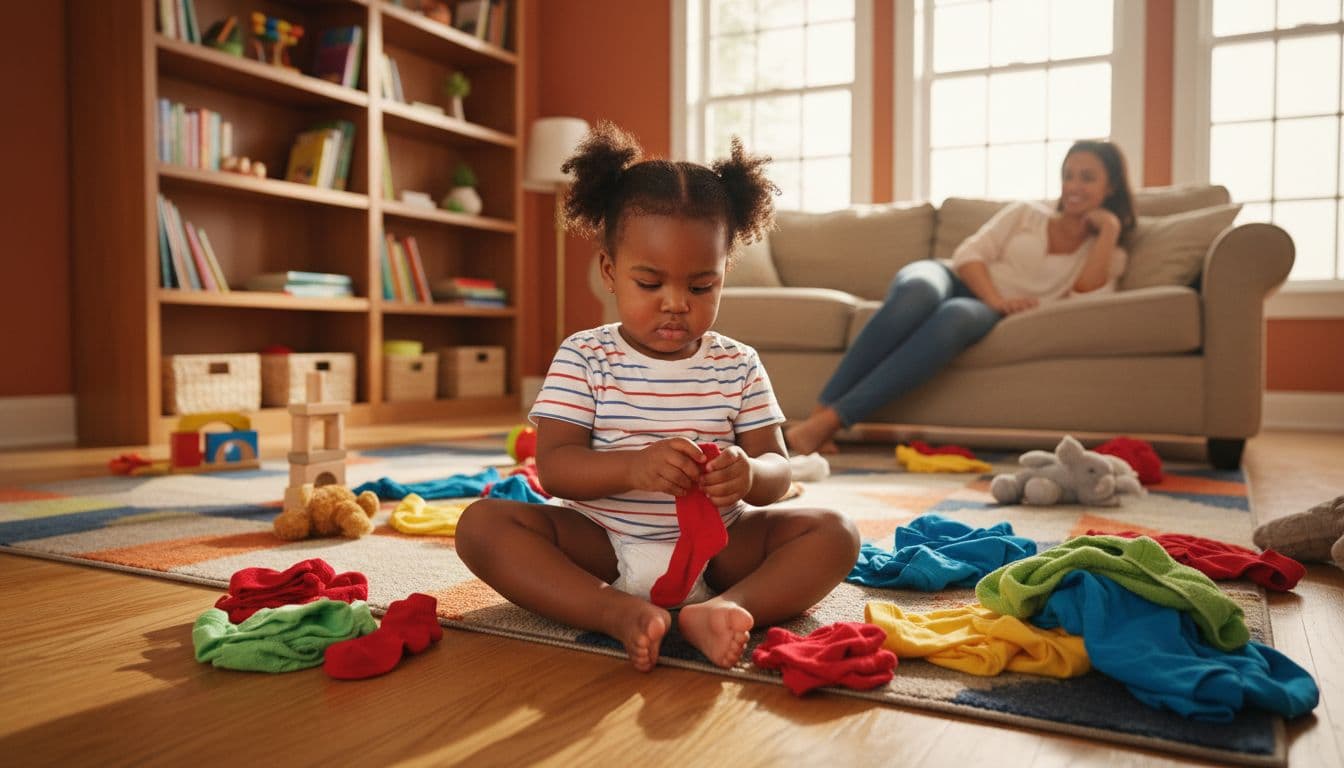
A shared purpose encourages communication. Language flows more freely when attention is directed at an activity. A parent describing how to wipe a surface or sort socks is modelling vocabulary without it feeling instructional. Toddlers tend to respond with questions, observations, and playful commentary. These exchanges can be really precious.
Physical closeness matters too. Passing items, guiding hands, crouching together at floor level. These small gestures reinforce emotional warmth. The bond is strengthened not through grand gestures but through steady, ordinary togetherness.
The Hidden Learning Opportunities
Every domestic task contains layers of learning. It might not feel that way to you when you’re flying through your to do list, but for a little one it is packed with learning. Sorting laundry introduces colour recognition. Wiping a table develops coordination. Loading a washing machine sparks curiosity about cause and effect. Toddlers absorb knowledge through doing, not through abstract explanation.
Chores also helps develop patience. Tasks take time. A toddler learns that effort leads to completion, that persistence has value. This lesson is embedded within activity rather than delivered as a lecture.
There is cognitive growth too. Following simple instructions exercises memory. Identifying where items belong sharpens categorisation skills. Observing sequences, such as rinse then dry, builds understanding of order. The home becomes a living classroom disguised as daily life.
Balancing Patience With Practicality
Inviting toddlers into chores inevitably slows things down. A task that could be completed swiftly may stretch considerably. Yet bonding time is not measured in speed. It is measured in quality of interaction. The challenge lies in adjusting expectations.
Choosing the right moments helps. Some tasks require concentration or safety considerations that make toddler involvement impractical. Others are ideal for shared participation. Folding clothes, dusting lower surfaces, transferring items into a basket. Flexibility here prevents frustration.
Clear boundaries are essential. Toddlers benefit from understanding what they can do independently and where guidance is needed. Gentle structure creates a sense of safety without dampening enthusiasm.
Turning Tasks Into Playful Collaboration
For toddlers, play is the primary language of engagement. Chores that incorporate playful elements feel inviting rather than forced. A simple shift in tone can transform the whole experience.
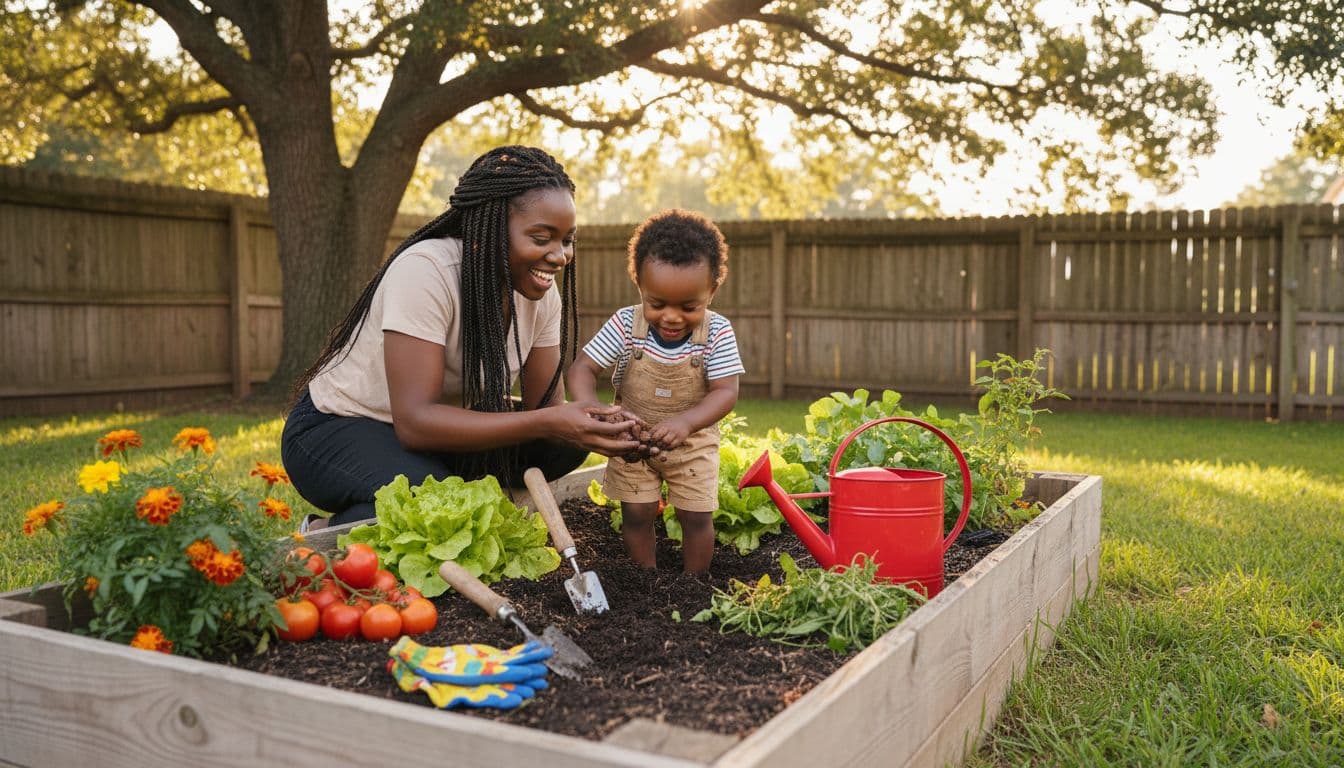
Even outdoor tasks offer creative opportunities. Activities like asking them to help you spread topsoil on the lawn can become adventures in texture and discovery. Soil becomes something to explore, not merely a gardening necessity. Sensory engagement deepens involvement.
Playfulness does not trivialise responsibility. It aligns the task with a toddler’s natural mode of learning and enjoyment.
Building Lifelong Attitudes Towards Responsibility
Early associations shape future perspectives. When chores are experienced as collaborative and positive, children are more likely to develop a healthy attitude towards responsibility. Children begin to see tasks as part of communal living instead of burdens imposed by authority.
This approach develops intrinsic motivation. A toddler who enjoys helping does not require elaborate reward systems. The satisfaction comes from participation itself.
Emotional Benefits Beyond The Task
There is reassurance in being needed. Toddlers thrive on feeling valued. Even small contributions generate pride. That pride fuels further engagement, strengthening both connection and confidence.
For parents, these moments provide insight into a child’s developing personality. Preferences, problem solving styles, emerging independence. Observing a toddler navigating simple responsibilities reveals capabilities that might otherwise go unnoticed.
Creating A Sustainable Routine
Consistency strengthens the bonding potential of chores and establishing predictable patterns helps toddlers understand expectations. It removes uncertainty. When toddlers know that tidying comes before lunch or that you fold laundry together in the afternoon, they begin to feel a sense of familiarity.
Overcomplicated systems overwhelm young children, and that is something to pay attention to. Clear, manageable roles support success. Tasks that feel achievable encourage continued participation.
Routine should also remain adaptable. Growth brings changing abilities and interests. Adjusting responsibilities ensures that involvement remains engaging rather than rigid.
A Gentle Shift With Lasting Impact
Inviting toddlers into chore lists is not about raising exceptionally helpful children. It is about recognising everyday life as fertile ground for connection. Home tasks become opportunities for shared discovery, communication, and cooperation if you allow it to be.
When you welcome toddlers into daily responsibilities, your home transforms. It becomes a place where contribution is natural, learning is continuous, and bonding grows through simple acts of togetherness.