
Why Immediate Assessment After A Major Storm Matters
Severe weather leaves homeowners with a long list of worries. You might look out your window after the clouds clear and see a few fallen branches. It is easy to assume the structure of your house is fine if the windows are not broken. Small signs of trouble hide in plain sight and wait to become expensive problems later.
A quick check provides peace of mind after a dark sky passes. You can find tiny clues that something is wrong before water starts dripping from the ceiling. Many people wait until they see a leak to act. This delay leads to much bigger repairs that cost thousands of dollars.

The Initial Visual Inspection
Starting at the ground level is a smart way to begin your check. Walk slowly around the entire perimeter and look at the base of your walls. You are searching for pieces of shingles or bits of siding that the wind ripped away.
Look at your metal surfaces, like gutters and downspouts, for small dents. Soft metals show the force of the weather much faster than hard shingles do. If you see circles in the metal, the impact was likely heavy.
Check the ground for piles of small granules that look like coarse sand. These tiny rocks usually come from your roof shingles when they get hit by heavy rain or wind. Losing these granules leaves the underlayment exposed to the sun and rain.
Identifying External Surface Issues
Siding often takes a beating when the wind drives debris sideways during a storm. Many homeowners start by assessing hail damage and then decide if they should call a professional. Taking photos of these areas helps you track changes. Small cracks or holes in the panels allow moisture to get trapped against your wooden frame.
Windows and doors have seals that keep the air and water out of your living space. A heavy storm can rattle these fixtures and cause the seals to fail. Look for fogging between the glass panes or damp spots on the frames.
- Dents in soft metal.
- Cracked window panes.
- Missing siding clips.
- Loose door handles.
Small dents in the frames might not look like a big deal at first glance. These minor dings can warp the frame and prevent the window from closing tightly. A gap of only 1 or 2 millimeters is enough for moisture to seep inside.
Understanding Modern Weather Patterns
The intensity of storms seems to be changing in recent years. Scientific data show that the environment is becoming more prone to severe weather events. One climate study noted that new projections show a rise in conditions that favor the formation of large hail.
Higher temperatures and humidity levels provide the fuel for these intense systems. When a storm develops, it can pack a much larger punch than a typical summer rain. Your roof and siding must stand up to these forces multiple times per year.
- Higher wind speeds.
- Larger hailstones.
- Flash flooding risks.
- Frequent lightning strikes.
Statistical models help experts predict how these weather patterns will affect local communities. These tools suggest that severe hail events are becoming a more common part of the seasonal cycle.
Knowing this helps you understand why checking your home after every storm is so necessary. You cannot rely on the fact that your house survived the last season without a problem.
The Definition Of Functional Damage
Damage is not always about holes or broken boards that you can see from the street. Some problems affect how the materials work rather than how they look.
A shingle that looks fine might have a hidden bruise that weakens its internal structure. When the sun beats down on that spot, the material breaks down much faster than normal. This leads to a leak in a few years instead of a few decades.
Professional inspectors look for these hidden signs of wear after a major event. They know how to spot the difference between aging and storm impact. Their reports give you a clear picture of whether your home is still performing its job.
Protecting Your Interior Spaces
Water is a persistent force that finds its way into any small gap. Once it gets past your roof or siding, it starts to soak into the wood and drywall. This moisture creates a perfect environment for mold to grow in dark spaces.
Check your attic for dark streaks on the wooden rafters or damp spots on the floor. These signs indicate that water is traveling along the boards from a leak higher up. It might not be a drip yet, but the wood is absorbing the liquid.
Ceiling stains are a late sign that a problem has been there for a while. If you see a yellow or brown ring, the drywall is already saturated. You should act fast to find the source on the outside.
Managing Your Insurance Claim Timing
Most insurance companies have a window of time for you to report storm issues. If you wait too long, they might say the damage came from normal wear and tear. Reporting the event within 48 hours shows that you are a responsible homeowner.
Keep a detailed record of when the storm hit and what you found during your check. Save any news clips or weather alerts that mention high winds or hail in your zip code. These documents serve as proof that a specific event caused the problems on your property.
Long-Term Resilience for Your Home
Investing in a quick assessment now saves you years of stress in the future. It is part of being a proactive homeowner who understands the value of maintenance.
Insurance advice groups recommend doing annual checkups on your coverage limits and policy types. Knowing your deductible ahead of time helps you move faster when a storm actually happens.
Choosing The Right Repair Professionals
Finding a trustworthy contractor is the final step in the assessment process. You want someone who has experience with storm restoration in your specific area. They should be able to explain exactly what they found and why it needs a fix.
Avoid people who knock on your door immediately after a storm with a “special deal.” Real professionals are usually busy and do not need to hunt for work in the streets. Check their license and insurance to protect yourself from any liability during the job.
They will help you understand the difference between a quick patch and a full replacement. Sometimes, a few new shingles are all you need to restore the seal. Other times, the damage is widespread enough that a new roof is the safest option.
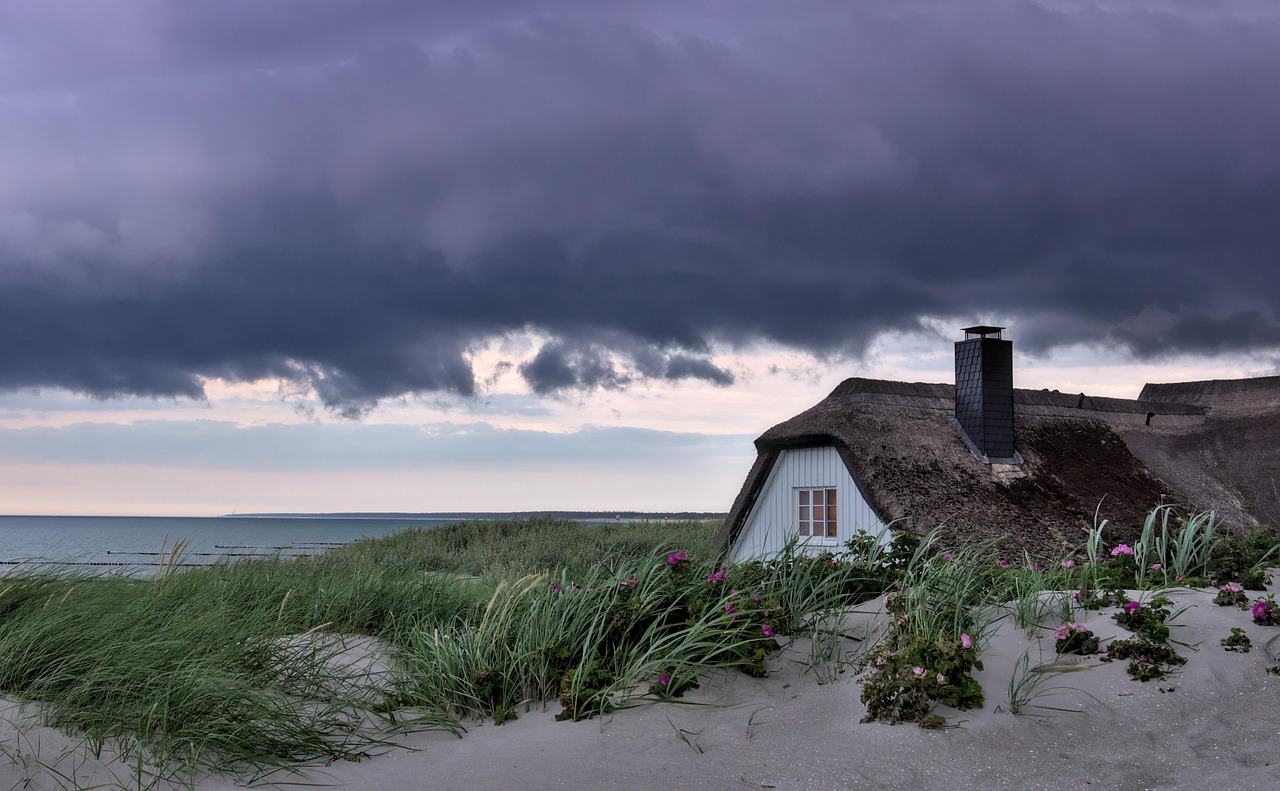
Your home is likely your biggest asset, and it deserves a little extra attention after the clouds break. Taking 20 minutes to walk around and look for dings or missing pieces makes a huge difference.
You might find nothing at all, which gives you peace of mind for the weeks ahead. If you do find something, you can call for help before the next front arrives.
Staying ahead of the weather is a full-time job for every homeowner. A sturdy house is the best protection for your family and your belongings.