
The Confidence Shift You Notice When Your Child Commits to a Skill-Based Activity
There’s a subtle moment most parents don’t expect. It doesn’t arrive with a certificate, a trophy, or a big announcement. Instead, it sneaks in quietly.
Maybe you notice your child trying again after failing at something. Or you hear them say, “I’ll get it next time,” instead of “I can’t.”
That small shift matters more than any medal ever will.
When children commit to learning a skill, whether it’s a sport, music, art, or something physical, they begin to experience something powerful: the connection between effort and improvement. And once that connection clicks, confidence grows from the inside out.
Not loud confidence. Real confidence. The kind that shapes how they approach challenges for years to come.

What Happens When Your Child Learns That Progress Comes from Practice
Children are often surrounded by instant results. Quick answers, quick entertainment, quick success stories online. Because of that, many kids quietly assume that if something doesn’t come naturally, it simply isn’t “their thing.”
Skill-based activities change that mindset.
They introduce your child to the simple but transformative idea that improvement comes from repetition. From falling. From trying again.
At first, progress can be slow. A movement feels awkward. A routine doesn’t work. Coordination isn’t quite there yet. But when a child sticks with the process, something remarkable happens, they start to see results they created through their own effort.
That realization builds a deeper kind of self-belief.
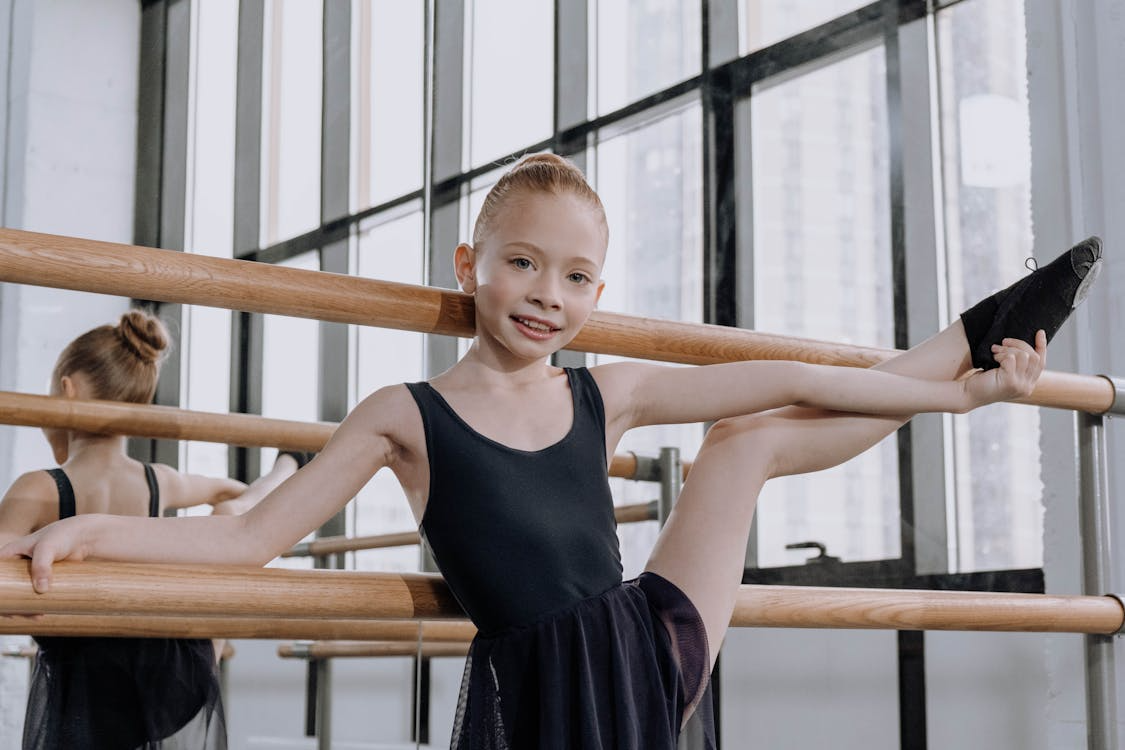
For example, many children who start gymnastics training quickly discover that mastering even the simplest movement requires patience and body awareness. They learn to listen, adjust, and repeat. Over time, the same child who once hesitated begins to trust their ability to improve.
And that trust becomes the foundation of confidence.
The Surprising Ways Discipline Spills Over Into School and Friendships
One of the most interesting things about skill development is how rarely it stays contained to just one area.
When children learn discipline in one environment, it quietly spreads into others.
A child who practices consistently begins to understand structure. They learn that showing up matters. They recognize the value of listening to feedback. Slowly, these habits begin to influence schoolwork, projects, and even how they interact with others.
You may notice them approaching homework with more patience.
You may see them handling frustration better when working in groups.
You might even notice improved friendships, because kids who develop confidence through effort often become more comfortable collaborating with others rather than competing for attention.
The discipline built through skill development isn’t about strictness. It’s about internal structure. And that structure helps children navigate the everyday challenges that come with growing up.
Why Confidence Often Grows in Quiet Moments, not Big Wins
It’s tempting to think confidence comes from winning or being the best in the room. But for most children, the real shift happens in smaller moments.
It happens when they realize they can do something today that they couldn’t do three weeks ago. It happens when they stand up after a mistake without embarrassment.
It happens when they stop looking around for approval and simply focus on doing the work.
These quiet milestones are easy to overlook, but they’re where the real growth lives.
When children experience these moments regularly, they begin to build a relationship with effort instead of outcome. And that mindset prepares them far better for the long road of learning and growing ahead.
Why You Might Gain Confidence as a Parent too
Something else happens during this process, and it often surprises parents.
You change too.
Watching your child struggle, persist, and eventually improve can reshape how you think about growth. It reminds you that development is rarely linear. It takes patience. Consistency. Encouragement.
There will be days when your child wants to quit. Days when progress feels invisible. But when you stay steady and supportive, you start to trust the process as much as they do.
And that trust builds your confidence as a parent.
You realize that you’re not just raising a child who performs well. You’re raising someone who understands effort, resilience, and personal growth.
Those lessons last far longer than any activity itself.
Because in the end, the real outcome isn’t a skill. It’s a mindset.