
Developing Smarter Risk-Aware Workflows for Business Leaders
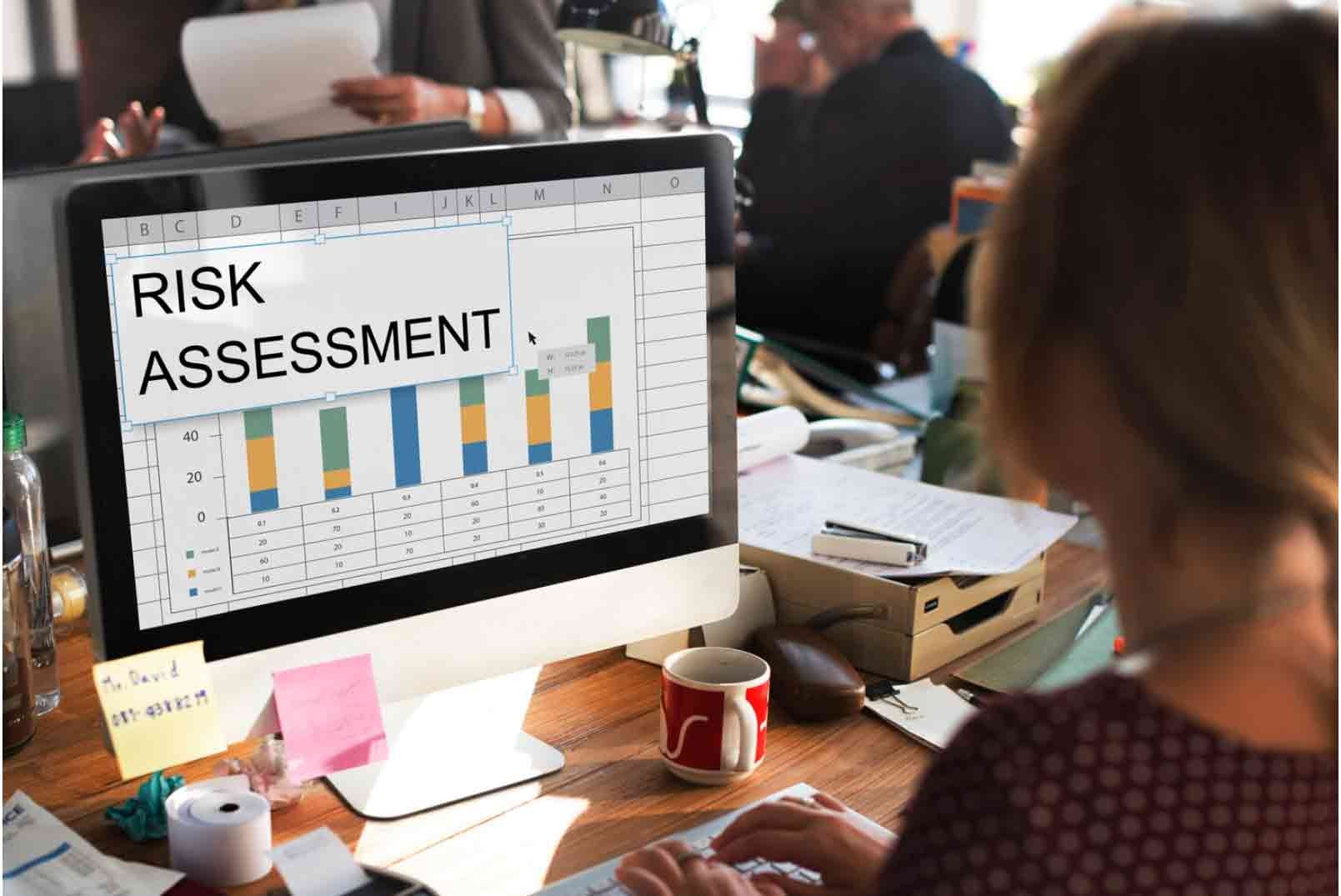
Risk-aware workflows can reduce the pressure any business can feel when developing controls that impact the company. These can help with compliance within your specific sector, but can also impact you personally by removing the associated pressure of being in charge. But how can you go about it? From automation to financial deep dives, here are some suggestions.
Assess, Measure and Quantify Risk
When it comes to assessing risk, vagueness isn’t something that is going to help. What you need is a method of objectively measuring the probability of negative impact. Of course, this is complex by nature, but beginning with something like a hierarchy of safety controls, you can create scenarios that play with the numbers for accurate calculation of the potential downsides versus rewards of decisions and actions moving forward, using specific metrics and KPIs.
Automate Routine Compliance Procedures
Every business must adhere to compliance regulations, and this can be one of the most complex parts of running a company. Some examples you may be familiar with are hazard and safety reporting, which every business in countries like the US and UK must do by law. However, mistakes can happen, and this can cause problems. Embracing automated procedures with tools like SafetyCulture can help avoid human error and the penalties!
Outsource for Smarter Risk-Aware Workflows
Being in charge isn’t all it’s cracked up to be, and it can be a genuine source of stress and anxiety. Of course, there are many ways to reduce the stress of owning a business or running a venture, and one of these is to pass on skilled work to others. There’s no shame in this, as around 64% of small businesses outsource tasks they don’t specialize in, such as IT. This helps reduce the risks associated with poor work, and can even be more cost-effective long-term.
Deep Dive into Strategic Financial Data
There is so much more to the finances of a business than simple income and expenditure. Advanced systems such as customer acquisition costs, customer retention costs, and profit potential are vital for long-term success in any sector. If you or the accounts teams don’t fully understand these concepts, then there is an inherent financial risk that threatens the company. Also, knowing the numbers reduces the chances of poor investment and negotiation terms.
Cultivate a Strong Advisory Network
Networking is one of the greatest tools any business leader has, and some would even say it is critical for success. However, the way in which you network can have an impact on your business. Knowing individuals can be a benefit, of course. But you can also go as far as to form a committee for your group for an outside perspective that you might never consider, where your customers become the focal source of information that can help reduce operational risks.
Summary
Assessing and measuring the different types of risk for your business can help build risk-aware workflows that benefit the company in the long term. It also helps to outsource skilled work to more capable services, and you can find risk insight from various networking methods.