
The Role Of Professional Advice In Building Effective Dental Routines
You’re wandering the toothpaste aisle, overwhelmed by options. Hard or soft? Whitening or sensitive? Here’s the thing: the store stocks your shelf, but the dentist stocks your brain. One visit cuts through the noise and turns guesswork into a routine that actually works.
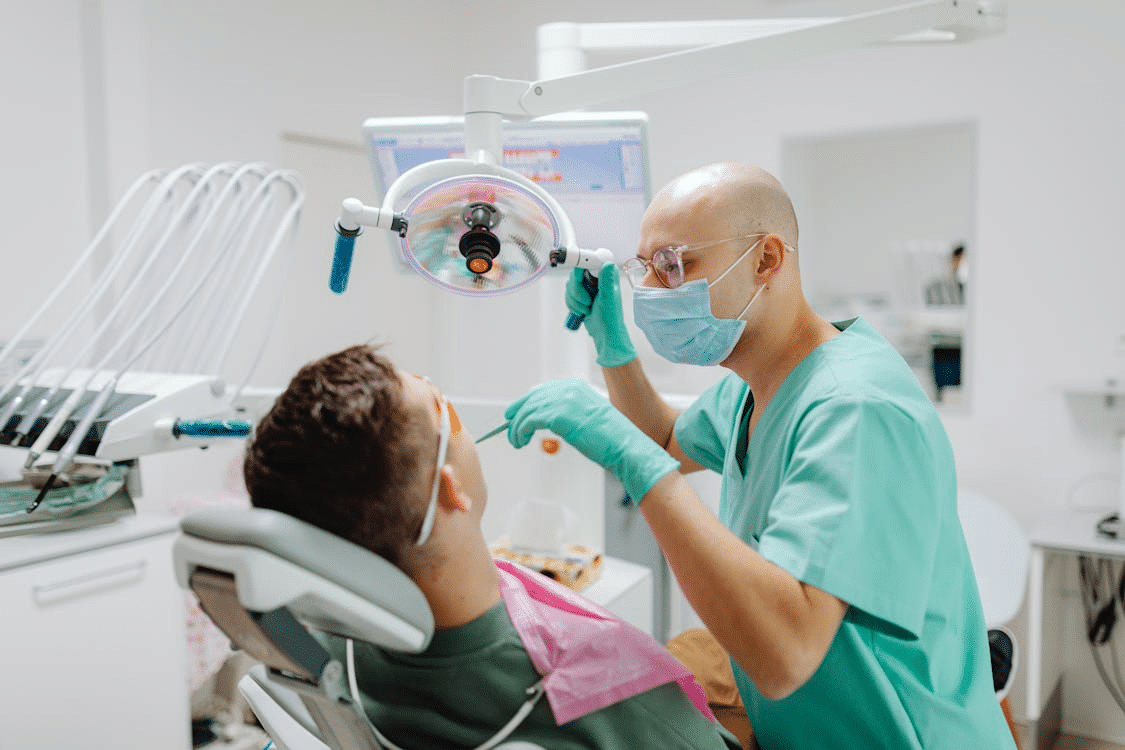
The Myth of “One-Size-Fits-All” Oral Care
The biggest mistake people make is assuming that oral health is universal. We tend to think that if we brush twice a day, we’ve ticked the box. But dentists will tell you that from brushing habits to looking after cosmetics such as porcelain veneers, oral health is as unique as a fingerprint. Your mouth has specific vulnerabilities that a standard routine simply won’t address.
For example, some people are “heavy salivated” and naturally wash away bacteria, while others suffer from dry mouth (xerostomia), often due to medication, which dramatically increases cavity risk. Someone with receding gums needs a completely different technique and toolset than a teenager prone to gingivitis. A dental professional doesn’t just look for cavities; they look for patterns. They can identify if you are grinding your teeth at night, if your enamel is thinning from acid erosion, or if your gums are inflamed because you aren’t cleaning a particular crowded tooth effectively. Without this diagnosis, you are essentially applying a generic solution to a highly specific problem.
What Happens During a Professional Assessment?
You might view your six-month checkup as a quick poke and a polish, but it’s actually a data-gathering mission. This is where the blueprint for your routine is drawn. During these visits, particularly if you are looking for a local provider to guide you, you might seek out specific services like dental cleanings in Show Low, AZ, or your own local equivalent to ensure you’re getting that baseline assessment. The hygienist and dentist are looking for the “trouble spots” that your current home routine is missing.
They use tools to measure gum pocket depths, checking for the early signs of periodontal disease. They use dyes to reveal plaque you missed. They look at the health of your tongue and the soft tissues in your cheeks. It’s the difference between knowing you need to floss and knowing you need to floss a specific way because you have a narrow gap between your molars that traps food. This professional insight turns a chore into a targeted therapy.
Tailoring the Tools of the Trade
Once the assessment is done, the professional advice becomes incredibly practical. You can’t just be told to “do better”; you need to know how. This is where the dentist or hygienist helps you navigate the hardware store of oral care.
- Toothbrush Selection: They won’t just say “use a soft brush.” They might recommend a specific electric toothbrush head that oscillates rather than sonic, because your teeth are sensitive at the gum line. If you have braces, they will point you towards an interdental brush designed to navigate the wires. The goal is to maximize cleaning efficiency while minimizing trauma to the gums.
- The Toothpaste Prescription: For someone with rampant sensitivity, they might prescribe a high-fluoride toothpaste or recommend a specific brand with NovaMin (calcium phosphate) technology that actually repairs microscopic tubules in the dentin. If you have a history of cavities, they will steer you away from trendy, non-fluoride pastes, regardless of how natural they claim to be.
- Interdental Aids (Beyond Just Floss): This is where the biggest game-changers lie. Many people give up on flossing because standard string floss is painful or ineffective for their tooth arrangement. A professional might say, “Forget the string, use these soft picks,” or “You need Super Floss for that bridge,” or “The only thing that will fit between those lower teeth is a water flosser on a low setting.” They remove the frustration by finding the tool that actually works for your anatomy.
The Nuances of Technique
Having the right tools is only half the battle; using them correctly is the other half. We all think we know how to brush our teeth; we’ve been doing it since we were kids. But chances are, we’ve developed bad habits. Professional advice fine-tunes the actual movement.
- The 45-Degree Angle: Most people brush horizontally, scrubbing their teeth like a deck. Professionals teach the Bass method: angling the bristles at 45 degrees toward the gum line and using small, vibratory circles. This disrupts the biofilm exactly where it causes the most damage, the gum margin.
- The Two-Minute Reality: We all aim for two minutes, but we rarely achieve it evenly. A hygienist can point out that you spend 45 seconds on the front teeth and neglect the hard-to-reach back molars. They might suggest a timer or a brush with a quadrant timer to ensure equal distribution of effort.
- The “Floss-Hug” Technique: Simply snapping floss between teeth and yanking it out is ineffective and can cut the gums. Professionals demonstrate the “C-shape” hug, where you curve the floss around the side of each tooth and gently scrape below the gum line. Seeing this done, or having a hygienist guide your hands, is infinitely more effective than reading about it.

Navigating Diet and Lifestyle Factors
A dental routine isn’t just about what happens in the bathroom; it extends to the kitchen and beyond. Dentists are increasingly acting as coaches on how lifestyle choices impact the oral microbiome. This professional guidance often includes practical advice on timing and consumption.
- Sugar Timing: It’s not just how much sugar you eat, but how often. A dentist will explain that sipping a soda for over two hours creates a continuous acid bath for your teeth, whereas drinking it in ten minutes allows your saliva to neutralize the acid afterward.
- The Acid Trap: Many people brush immediately after vomiting or eating acidic foods. Professionals advise waiting at least 30 minutes to allow the softened enamel to re-harden; otherwise, you brush the acid deeper into the tooth structure.
- Dry Mouth Management: For those on medications that cause dry mouth, professional advice might include:
- Using a humidifier at night.
- Sucking on sugar-free xylitol lozenges to stimulate saliva flow.
- Using specific moisturizing mouthwashes designed for dry mouth, rather than alcohol-based ones that dry tissues further.
Building a Sustainable Long-Term Strategy
Finally, the role of professional advice is to help you build a routine that is sustainable. Too often, people adopt an all-or-nothing approach. They buy every gadget, floss obsessively for a week, burn out, and revert to bad habits. A dentist or hygienist helps you find the “minimum effective dose.”
They know you won’t stick to a ten-step routine. Instead, they cut through the noise: “Just focus on flossing those back teeth tonight.” That simple focus feels doable. And knowing they’ll check in six months? That’s the gentle nudge that actually keeps you on track.