
Why Natural Materials Elevate Your Well-being
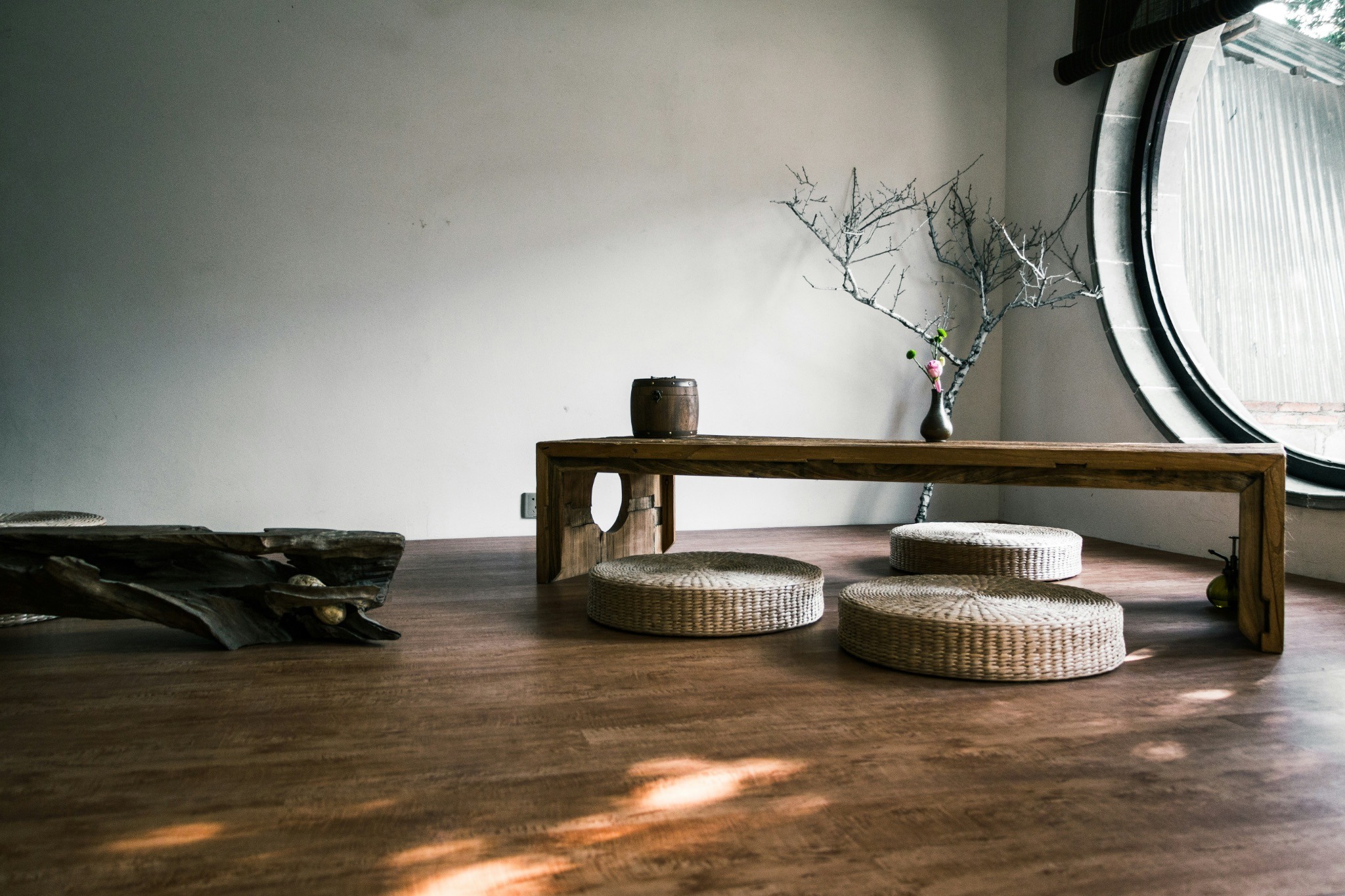
Natural materials can change how a room feels the moment you enter it. Wood grain, woven fibers, stone surfaces and leafy plants add texture and visual warmth that mass-produced finishes often struggle to match. They can also strengthen your connection with nature, helping everyday spaces feel calmer and more comfortable.
You don’t need to renovate your entire home to experience the difference in your home wellness spaces. A few thoughtful updates can turn a busy bathroom, bland office or crowded living area into a place that supports rest and focus.
The Biophilic Design Effect
Biophilic design brings elements of the natural world into buildings. Common examples include plants, natural light, organic shapes, outdoor views and materials such as wood or stone. The idea reflects the human tendency to feel connected to nature, even when spending most of the day indoors.
Interest in the business case for biophilic design has also grown as employers look for practical ways to create more welcoming workplaces. At home, the same principles can soften rooms filled with screens, hard edges and synthetic surfaces.
You can introduce biophilic design without filling every available shelf with plants. Open the curtains during the day, position a chair near a window or display a bowl of seasonal fruit. Choose artwork featuring botanical subjects and use curved furniture to echo shapes found outdoors. Each choice creates another small connection with nature while keeping the room functional and personal.
Bringing Nature Indoors
Start with the rooms you use every day. Kitchens and bathrooms often contain glossy tiles, metal fixtures and bright task lighting, so natural materials can keep them from feeling cold. A wooden stool, cotton towels or stone accessories will introduce texture without requiring structural work.
Larger changes deserve careful consideration because moisture, cleaning needs and storage all affect the final result. During a bathroom renovation, for example, a made-to-order oak vanity unit can provide natural character alongside practical storage. Custom sizing is especially helpful in narrow rooms, alcoves or shared bathrooms where a standard cabinet may waste valuable space.
Before buying a natural material, consider:
- How often the surface will be touched or cleaned
- Whether the room has high humidity or direct sunlight
- Which finish will protect the material while preserving its texture
- How the color will work with items you already own
These checks help you choose pieces that remain attractive through daily use.
The Warmth of Wood Tones
Wood has visible grain, subtle color shifts and small variations that give a room depth. Pale oak can make a compact space feel open and relaxed, while walnut tones create a richer mood. Mid-tone woods often work well in family spaces because they complement many paint colors and don’t dominate the room.
A coordinated home doesn’t require every wooden item to match. In fact, a room can feel flat when the flooring, cabinets and furniture all have an identical finish. Aim for tones that share an undertone. Warm woods usually sit comfortably beside cream, terracotta and muted green, while cooler woods pair well with soft gray, blue and crisp white.
If you’re unsure about a finish, place samples in the room for several days. Look at them in morning daylight, afternoon sun and evening lamplight. Wood can appear dramatically different as the light changes. Samples also reveal how a new material relates to the floor, wall color and nearby textiles before you commit to an expensive purchase.
Creating a Restorative Space
A restorative room gives your attention fewer demands. Natural materials help because their colors and patterns tend to feel visually gentle, but the layout still matters. Crowded surfaces, poor lighting and uncomfortable furniture can overwhelm the calming effect of even the most beautiful materials.
Choose one area where you regularly pause, such as a reading chair, bedside table or bathroom sink. Clear away objects you don’t use and keep only a few purposeful items within view. A small plant, a linen shade and a wooden tray can establish a natural theme without adding clutter.
Sound and touch deserve attention too. A wool rug can soften footsteps, while cotton curtains may reduce the harsh echo found in rooms with bare floors. Baskets made from natural fibers provide storage that also contributes texture.
For evening relaxation, use lamps at different heights instead of relying only on a bright ceiling fixture. Warm bulbs and adjustable lighting make it easier to shift from household tasks to rest. During the day, keep window areas clear so natural light can travel farther into the room.
Beyond Aesthetics: Health Benefits
Natural materials support well-being most effectively as part of a wider indoor environment that includes daylight, ventilation and comfortable temperatures. Their textures and patterns may encourage a sense of calm, while indoor plants and views of greenery can make rooms feel more pleasant. The University of Central Arkansas highlights several connections between biophilic design and health, including potential benefits for stress, mood and cognitive performance.
Material choice can also affect indoor air quality. Check product details for finishes, adhesives and coatings, especially when buying flooring or large furniture. Look for clear information about emissions and allow newly finished pieces to air out according to the maker’s instructions. Natural origin alone doesn’t guarantee that a product is low-emission or suitable for every household.
Cleaning remains part of a healthy space. Dust plant leaves, wash natural-fiber textiles as directed and address damp areas promptly. Anyone with allergies should select plants carefully and avoid materials that trap more dust than they can comfortably maintain. A restorative home should be easy to live in, not another source of work.
The most effective changes often begin with one frequently used surface or overlooked corner. Notice where your home feels harsh, cluttered or disconnected from daylight, then choose a natural material that solves a practical need there. The result can be as simple as a warmer bathroom cabinet or a quieter reading area that invites you to stay for a while.