
Modern Cosmetic Dentistry: An Artistic Combination of Science and Technology
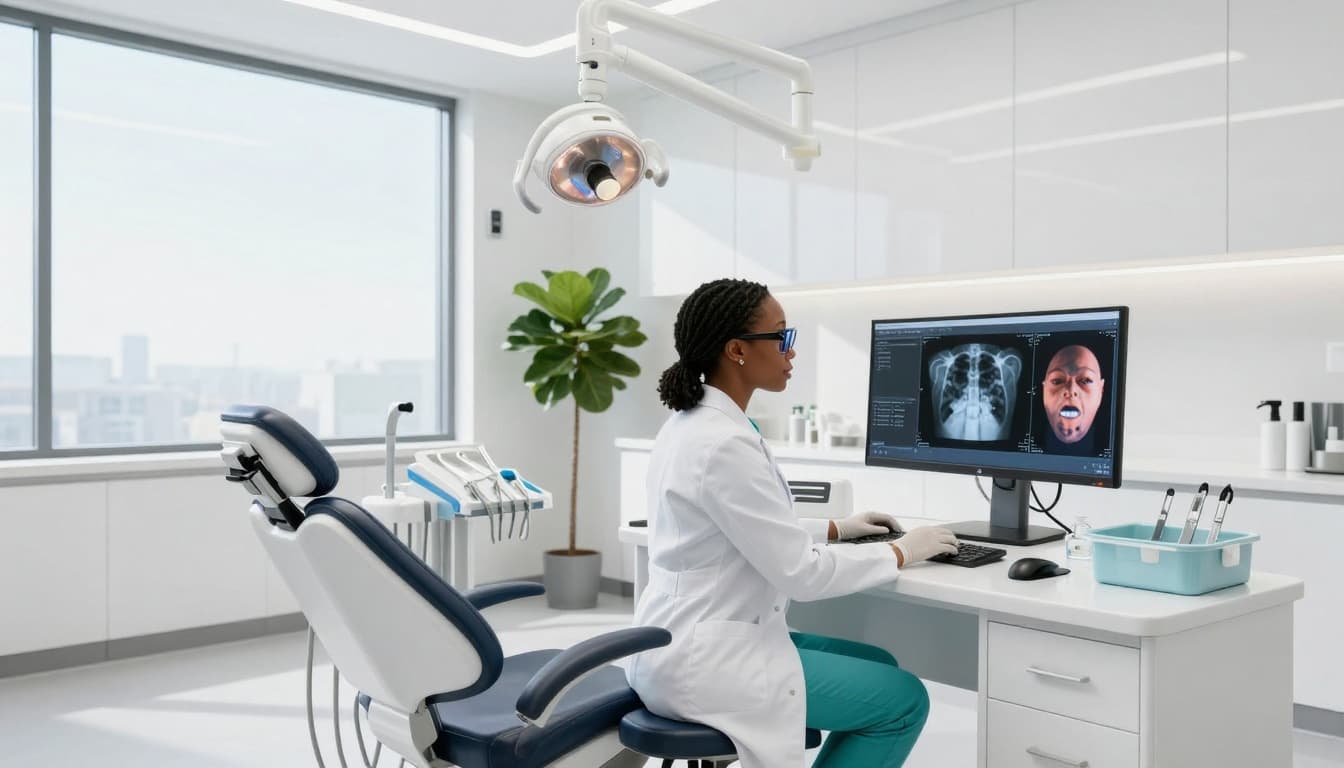
Modern cosmetic dentistry is an artistic combination of the science of restoring function and the art of creating a pleasing appearance. While most people view cosmetic dentistry as whitening their teeth or replacing their old fillings, the ultimate goal of cosmetic dentistry is to harmonize your bite, function, and appearance. Dental materials and digital technology continue to improve the clinicians’ ability to create aesthetically pleasing results with increased precision and reliability.
Key Takeaways
- Modern cosmetic dentistry blends aesthetics, function, and advanced technology for predictable outcomes.
- Digital tools allow clinicians to plan and visualize results before treatment begins.
- Advanced dental materials closely replicate the look and performance of natural teeth.
- Precision technologies improve durability, fit, and long-term success of restorations.
- Cosmetic dentistry can enhance confidence by restoring both appearance and function.
What is Cosmetic Dentistry?
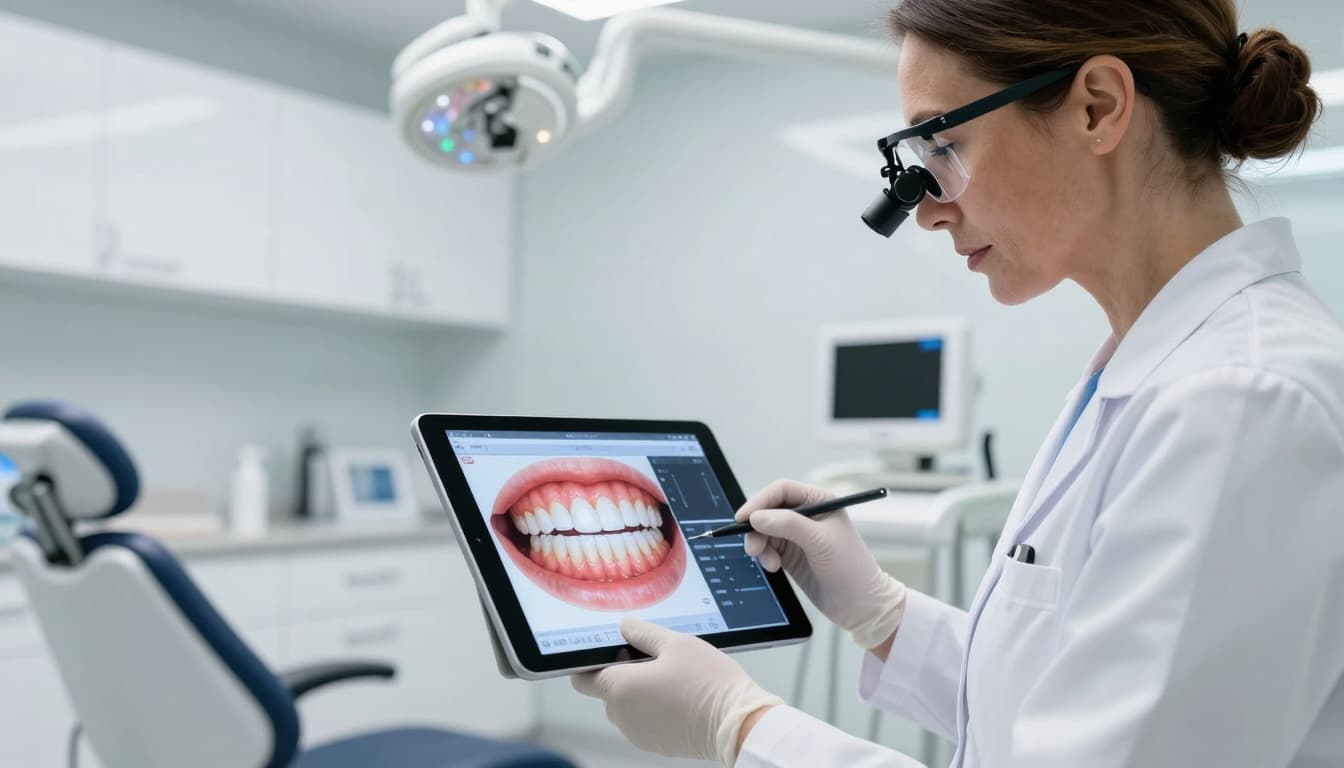
Cosmetic dentistry encompasses a wide variety of treatment options, including veneers, crowns, bonding, and contouring. All of these treatments focus primarily on changing the appearance of your teeth. Cosmetic dentistry is different from general dentistry, as cosmetic dentistry focuses on the form and function of the teeth in conjunction with the patient’s overall aesthetic.
Creating a confident smile involves evaluating the small nuances of a patient’s face, lip line, and personality. However, the visual quality of the final product depends just as much on the utilization of advanced scientific tools; digital smile design, intraoral scanning, and advanced imaging are all examples of the new tools available to evaluate the functional and aesthetic aspects of a patient’s teeth prior to the initiation of any treatment. Using these tools allows clinicians to see the end result of the proposed treatment plan before its implementation, and provides them with the opportunity to communicate the expected results with the patient more effectively.
Role of Materials in Cosmetic Dentistry
The predictability and aesthetic quality of cosmetic dentistry can be attributed in large part to advancements in the materials used to complete the various treatments. Improvements in composite resins, ceramic materials, and adhesive systems have enabled clinicians to replicate many of the optical properties of natural tooth structure, such as translucency, gloss, and color variations, in greater detail.
In direct restorations, the OMNICHROMA flow bulk composite for efficient restorations is designed as a single-shade, low-viscosity, bulk-fill composite that shade-matches across common tooth shades, which can simplify shade management in routine practice.
Durable Results through Precision
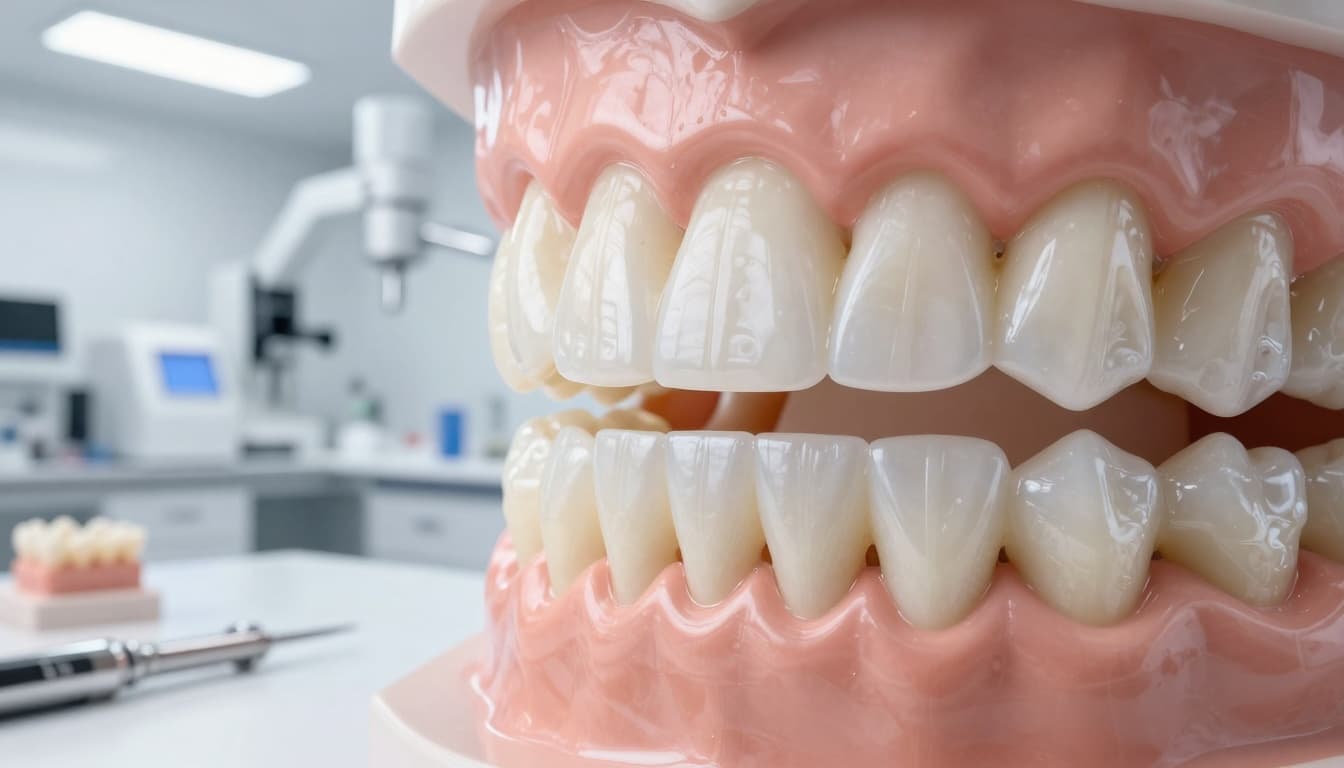
Another important consideration in cosmetic dentistry is durability. Creating a beautiful restoration is not sufficient; it must also perform well in daily function. CAD/CAM technologies provide clinicians with the tools necessary to create improved restorations at the micron level, thereby minimizing the risk of future failures by ensuring a precise fit.
Evidence based adhesive protocols were once considered a variable factor in clinical success. With high-performance ceramic and composite systems, adhesive protocols are now standardized and reliable. They create strong bonds with enamel and dentin, improving restoration strength and long-term durability.
Positive Impact on Patient Confidence
Cosmetic dentistry may not change lives, but it can boost confidence in social and professional settings.
Clinicians restore teeth using materials that are durable, reliable, and visually similar to natural teeth.
As technology and techniques evolve, the blend of art and science continues to improve confident, healthy smiles.