
Homeowners: What to Look for When Choosing Bathroom Tile
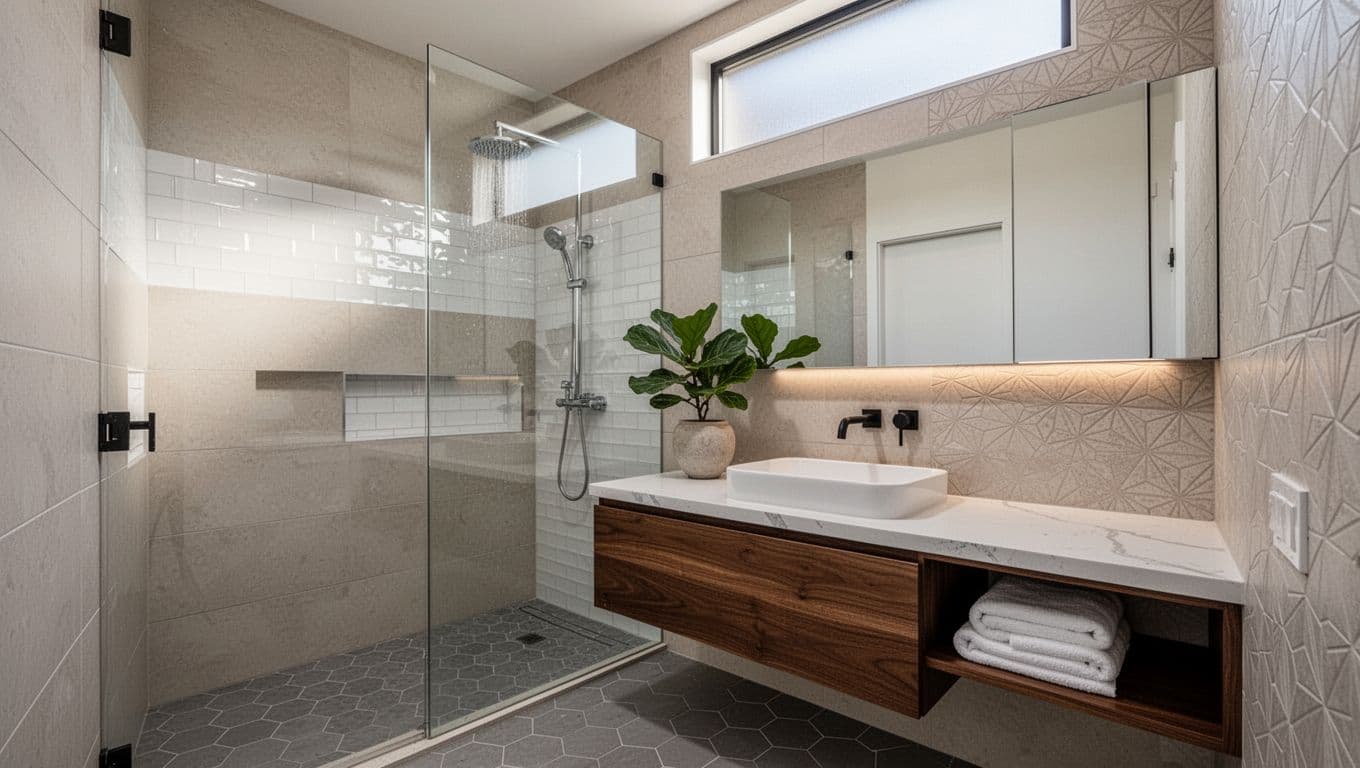
Choosing the right bathroom tile can transform a simple washroom into a stunning retreat. Homeowners often find themselves overwhelmed by the myriad of choices available. From selecting materials that withstand moisture to integrating the perfect color and texture, each decision impacts the overall aesthetic and functionality. This article will guide you through essential considerations for selecting bathroom tile by examining material options, color and texture, size and layout, and durability and maintenance needs. These factors will ensure your bathroom not only looks appealing but also serves as a long-lasting, practical space.
Choosing the Right Material for Bathroom Tile
The material of your bathroom tile is a critical choice that can affect both aesthetics and function. Ceramic and porcelain tiles are popular for their water resistance and durability, making them perfect for wet environments. Porcelain, in particular, is known for its low water absorption rate, which is less than 0.5%, according to industry standards. For a more luxurious look, natural stone tiles like marble and granite are excellent choices, but they require sealing to protect against moisture. Each material offers distinct characteristics, which can be best visualized through a comprehensive bathroom tile mood board, helping homeowners decide which fits their design intent.
Furthermore, employing tools like Computer-Aided Design (CAD) can assist in visualizing how different materials will fit within your existing space. CAD offers a realistic preview of how your chosen tile will appear, ensuring that it complements the existing FF&E (Furniture, Fixtures, and Equipment) in your bathroom. Ultimately, the right material choice should align with the overall schematic design of your home.
ArchDaily provides further insights into choosing bathroom materials.
Color and Texture Selection for Your Bathroom Tiles
Color and texture play a significant role in the ambiance of your bathroom. According to Color Theory, lighter shades can make a small bathroom feel more spacious and airy, while darker tones add warmth and coziness. Textures add depth and interest; for instance, a matte finish can convey a modern, understated elegance, while a glossy finish offers a more traditional, vibrant look.
Space planning is another critical aspect influenced by color and texture. A well-curated palette can create a cohesive look that seamlessly blends with other elements like millwork and hardscape features. A dominant color can serve as a focal point, drawing attention to specific areas such as the shower or vanity. Additionally, incorporating varied textures can enhance the tactile experience, making the space feel more inviting.
For more on integrating color and texture, visit Interior Design Magazine.
Considering Tile Size and Layout for Your Space
The size and layout of your tiles can dramatically influence the perception of space in your bathroom. Larger tiles can make a small bathroom appear bigger and more streamlined, reducing grout lines for a cleaner look. Conversely, smaller tiles may be ideal for adding intricate detail and can be used to create beautiful mosaic designs that serve as a focal point.
Site Analysis is an essential step in determining the best tile size and layout, as it considers the unique dimensions and characteristics of your bathroom. BIM (Building Information Modeling) can be utilized to assess spatial relationships, ensuring your chosen tile layout enhances the room’s ergonomics and flow. Through this analysis, homeowners can optimize their use of space effectively, creating a balanced and harmonious environment.
To explore more about tile size and layout, check out Houzz.
Evaluating Durability and Maintenance of Bathroom Tiles
Durability and ease of maintenance are essential factors when selecting bathroom tile. Porcelain tiles are highly durable and resistant to scratches and stains, making them a practical choice for high-traffic bathrooms. Natural stone tiles, while beautiful, may require more maintenance, including periodic sealing to prevent moisture penetration.
The Finish Schedule of your bathroom renovation should include considerations for tile upkeep, ensuring your chosen materials remain in optimal condition. Regular cleaning and proper sealing techniques are vital to maintaining the tile’s appearance and longevity. Moreover, homeowners should consider tiles with a high slip resistance rating to enhance safety, especially in wet areas.
For more information on tile durability and maintenance, refer to Flooring Inc.
Conclusion
A thoughtful approach to selecting bathroom tile can lead to a functional and visually pleasing space. By focusing on material suitability, color and texture integration, optimal size and layout, and durability concerns, homeowners can create a bathroom that meets both their aesthetic and practical needs. This comprehensive approach ensures that your bathroom not only enhances your home’s interior design but also remains a durable, low-maintenance haven for years to come.