
How to Create a Calmer, More Organized Home
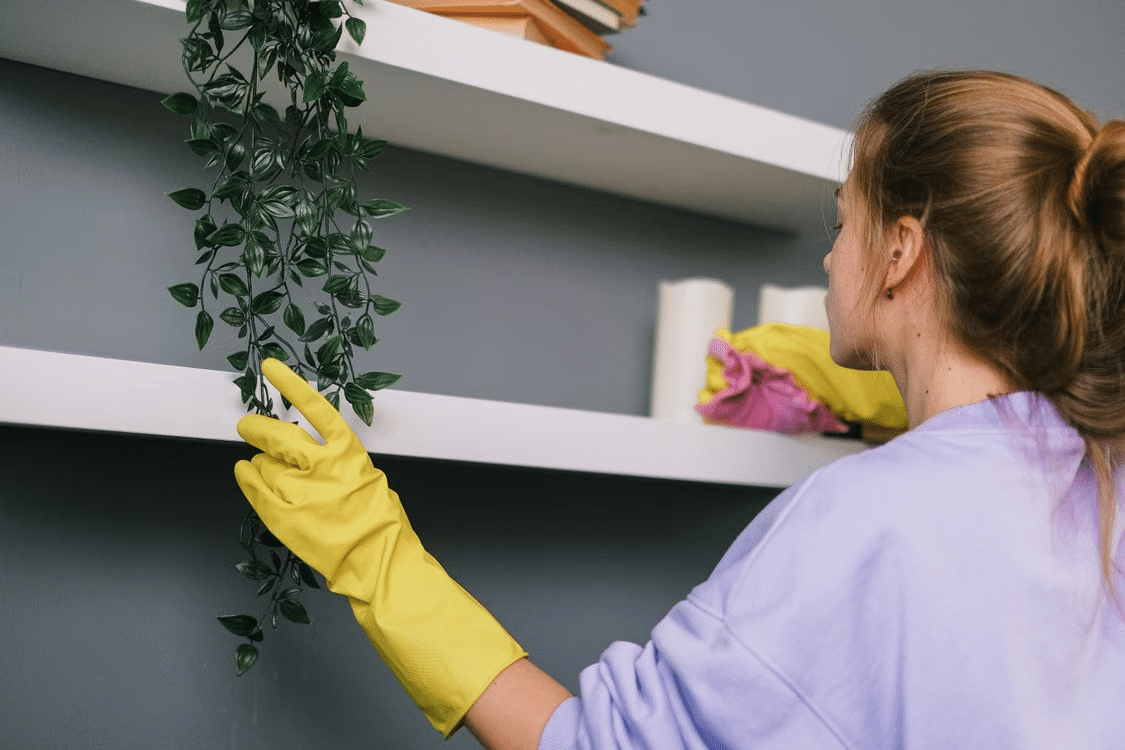

A clean, orderly home can make everyday life feel more manageable. When counters are clear and frequently used items have a home, you spend less time searching, shifting piles, and feeling distracted by unfinished chores. The effect goes beyond appearance. The mental health benefits of decluttering may include lower stress, a stronger sense of control and improved focus.
You don’t need a picture-perfect house to experience those benefits. A few practical routines can create a calmer space that supports your work, rest and family time.
The Link Between Clutter and Stress
Clutter creates a steady stream of visual reminders. A stack of unopened mail suggests decisions you haven’t made, while clothes draped over a chair represent another task waiting for attention. Even when you’re trying to relax, your brain may continue tracking those loose ends.
Start with the areas you see and use most often. Clear the kitchen counter where you prepare meals, the table where your family eats, or the nightstand beside your bed. Give yourself 15 minutes and sort everything into three groups: keep here, move elsewhere, and discard. A short session feels approachable and produces a visible result.
Preventing clutter from returning takes simple systems. Place a small tray near the door for keys, set up one basket for incoming mail, and choose a consistent place for bags. Try the one-minute rule too. If putting something away takes less than a minute, handle it immediately. These small actions reduce the number of decisions waiting for you later and keep common surfaces easier to maintain.
Creating a Sanctuary for Focus
A focused space needs clear boundaries. If you work or manage household paperwork at the dining table, store your supplies in a portable bin that can be removed when the task is finished. This signals a transition from work time to family time without requiring a separate office.
Comfort matters as well. Open curtains during the day, replace harsh overhead lighting with a table lamp, and keep only the tools you regularly use within reach. Background noise can also affect concentration, so close the door when possible or use soft ambient sound to cover unpredictable household activity.
Flooring deserves attention because it covers such a large part of many rooms. Regular vacuuming removes surface debris, but embedded soil, stains, and pet dander may need more thorough treatment. When routine care no longer lifts visible spots or a high-traffic room feels hard to refresh, professional carpet cleaning can provide deeper treatment, including pre-vacuuming, pre-treatment, and hot water extraction.
Once the room feels clean, protect its purpose. Avoid using your focus area as temporary storage, since temporary piles have a habit of becoming permanent fixtures.
Beyond the Surface: Deep Clean Benefits
Routine tidying handles visible mess, while deeper cleaning reaches the grime that builds up slowly. Dust settles on ceiling fan blades, grease collects near cabinet handles, and crumbs work their way beneath appliances. Addressing these areas can improve comfort and make weekly upkeep easier.
Household dust may contain pollen, pet dander, and other particles that affect indoor comfort. The Environmental Protection Agency’s indoor air quality guidance recommends controlling sources of indoor pollution and improving ventilation when outdoor conditions allow. Cleaning can support those efforts, especially when you use a damp cloth that traps dust instead of sending it back into the air.
Divide deep cleaning into zones so the job doesn’t consume an entire weekend. Tackle the kitchen one Saturday morning, bedrooms the next, and living spaces after that. In each room, work from top to bottom. Dust high surfaces first, wipe furniture and baseboards next, then finish with the floor.
Pay attention to tools as you go. A full vacuum filter or dirty mop head can spread debris and odors. Wash reusable cloths after each session, empty the vacuum as directed, and replace filters on the manufacturer’s schedule.
Reclaiming Your Time and Energy
An organized home saves minutes in ways that add up. If everyone knows where shoes, chargers, and school papers belong, mornings involve less searching. A clear kitchen also makes meal preparation faster because you have room to chop, mix, and serve without relocating unrelated items first.
Build upkeep around routines you already have. Load the dishwasher after dinner, wipe the bathroom sink after brushing your teeth, and return living room items to their places before turning off the lights. Pairing a small task with an established habit makes it easier to remember.
For a broader reset, these daily habits to keep your home clean and tidy can help you build routines that fit your household. Open bins may work well for children’s toys, while labeled drawers could make more sense for paperwork and craft supplies. The best storage method is one your family can use without extra effort.
Leave some flexibility in your schedule too. A 10-minute evening reset can handle cups, blankets, and stray belongings, but missed days don’t require a marathon cleaning session. Resume the routine at the next natural opportunity.
A calmer home grows from repeatable choices, not a flawless finish. Clear one surface that regularly attracts clutter, assign a permanent place to everything you remove, and enjoy using that space without a pile competing for your attention.