
How Do You Take House Inspiration without Copying Someone Else’s Home?
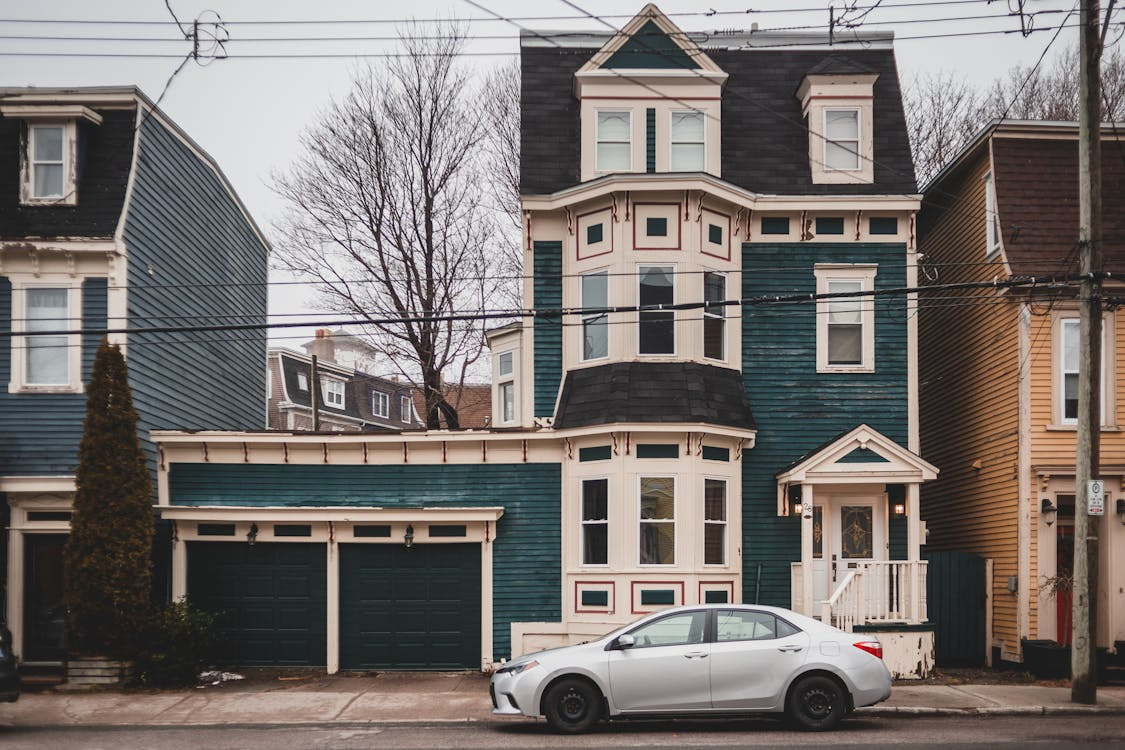
Is your home what you want it to be right now? Well, for a lot of people, it’s a process that takes years. So, scrolling through pretty houses online is honestly a little dangerous, because it starts so innocently. Well, it’s basically like that for anything, right? It starts with one picture. Maybe one idea. Then a few more. Soon you have ten saved. Before you know it, you’ve created a Pinterest board or a Canva moodboard filled with dream exterior goals for your house, your backyard, your kitchen, or maybe every space in your home.
Now, sure, by all means, there it’s absolutely fine to get some inspiration; everyone does that. Plus, it’s a lot of fun to. That’s how people end up forcing a magazine look onto a house that was never built for it. A collection of nice choices can still create something that feels a bit strange. It’s not an insult. It’s just the result of applying the wrong style to the wrong structure.
But the trick is taking inspiration without copying. Because what works on an Architectural Digest home, or a perfectly staged influencer house, might look completely wrong on a normal suburban place with a driveway, a garage, and neighbors who definitely notice things. But there clearly needs to be some sort of balance here; you can’t hold back forever on things you want for your home, so where’s the balance at?
Before You Copy a Look, Ask:
- Does this match my home’s structure and proportions?
- Am I drawn to the color, the materials, or the overall feeling?
- Would this still look good without perfect lighting and staging?
- Can my house support this style without major structural changes?
- What part of this design can I realistically translate?
Translate the Idea, Not the Exact Look
But how? Well, it’s seeing something you like and asking, what is it about this that works? Is it the palette, the materials, the proportions, the trim detail, the symmetry, or the way the entry feels intentional? Because it’s rarely one thing. It’s usually a bunch of little choices that all agree with each other. The goal isn’t recreating, but recreating is copying.
So instead of copying the whole look, steal the concept. Meaning, you want to steal the idea of warm wood against white stucco (if that’s what you see and like), not the exact front door. You want to steal the idea of thicker trim and stronger contrast, not the exact Bejamine Moore paint color that only looks good in perfect editorial lighting.
Yes, Builder-Grade Homes Need Character
So, this part is directed to you if this is the type of home that you have. But builder-grade homes catch strays online constantly, and yeah, it’s not always fair, but also it’s not totally wrong. Most homes are like that now. They are mass-produced, it’s just what it is, technically McMansions are builder grade, cottages can be too if they’re modern, there’s modular homes, but you get the idea. Most homes are like that nowadays, just can’t avoid it.
Many of these homes aim for broad appeal and lower costs, which often leaves them feeling a little bland. You’ll usually see thin trim, simple rooflines, and minimal detail. Builders design the front elevation to offend absolutely no one and avoid bold choices. They focus on keeping costs down, because that’s how most of these houses are built.
But the fix isn’t throwing a bunch of random decor at the front and hoping it becomes charming. Because a wreath, new planters, and a cute welcome mat can only do so much if the house itself looks flat. The fix is giving the house structure and proportion, because character comes from the bones and the details, not from “stuff.” It’s hard to pinpoint one fix, because it could be getting new house siding, a new front door, getting a window replacement with something more unique like floor-to-ceiling windows, stained glass windows, bay windows, well, these are some examples at least.
Inspiration Sources Should Only be Inspiration
They should be just that. Besides, keep in mind here that there’s so much house content now it’s ridiculous. Architectural Digest is peak “look at this perfect world.” Influencer homes are peak “everything is staged and somehow spotless.” Magazines like House & Garden are basically a masterclass in restraint. Oh, and there’s HGTV and all those shows, renovation content creators on social media, there’s so many YouTubers who buy chateaus and fill them up with French antiques (and it’s understandable you want your house to feel like your own mini chateau).
Anyways yes, the point is theres a lot of content. There’s so much that it gets mixed up like a smoothie. So, a better way to use inspiration is to collect images for a while, then look for patterns. What keeps showing up? Arches? Warm wood tones? Black windows? Traditional trim? Moody paint? Stone accents? Clean landscaping with structure? What are you constantly seeing in all of this that you love? That’s your answer. That’s what you’re most attracted to, and see how that could realistically work with your home.
Make the Inspiration Fit Your House Instead of Forcing It
This is where people either make a house look amazing or make it look like a bunch of good ideas thrown together into something a bit too chaotic. So, the bonesof your house matter, that includes the roofline shape, the placement of your windows, the symmetry, proportions, how narrow the house is, how wide it is, how many levels it is, the material, the literal placement of the house itself, too.
A narrow house can’t copy a wide estate look without adjustments. It won’t look natural. A ranch also can’t copy a three-story Victorian and still feel authentic. Even a brick house can’t pretend it’s coastal without it getting a little strange. So instead of asking, “How do I make my house look like that?” ask, “What’s the version of that that works here?” If the inspiration photo has gorgeous architectural trim and deep window casings, the translation might be upgrading trim thickness and adding contrast around windows. This is usually where good inspiration goes wrong.
Common Inspiration Mistakes
- Copying exact paint colors without testing them in your lighting
- Mixing too many styles at once
- Ignoring your home’s proportions
- Adding decor without fixing structural imbalance
- Forcing a trend onto a house that wasn’t built for it
Now, this is just an example here, again, like what was already brought up just above, it’s about finding the elements you love and realistically translating them into your house.
Key Takeaways
- Inspiration works best when translated, not copied.
- Structure matters more than surface decor.
- Look for patterns in what you save.
- Adjust ideas to fit your home’s proportions.
- Personal style beats perfection every time.