
The Everyday Things That Can Affect Hair Health in Women
It’s unlikely that you’ll wake up one morning and have lost a lot of hair – yes, it can happen in extreme circumstances, but most of the time it’s a gradual thing, which means that once you notice it’s happening, you can often do something to improve it. However, unless you know what it is that’s causing your hair loss, it’s going to be hard to stop it from happening, which is why it’s useful to know some of the facts so you can work out the best course of action. Keep reading to find out more.
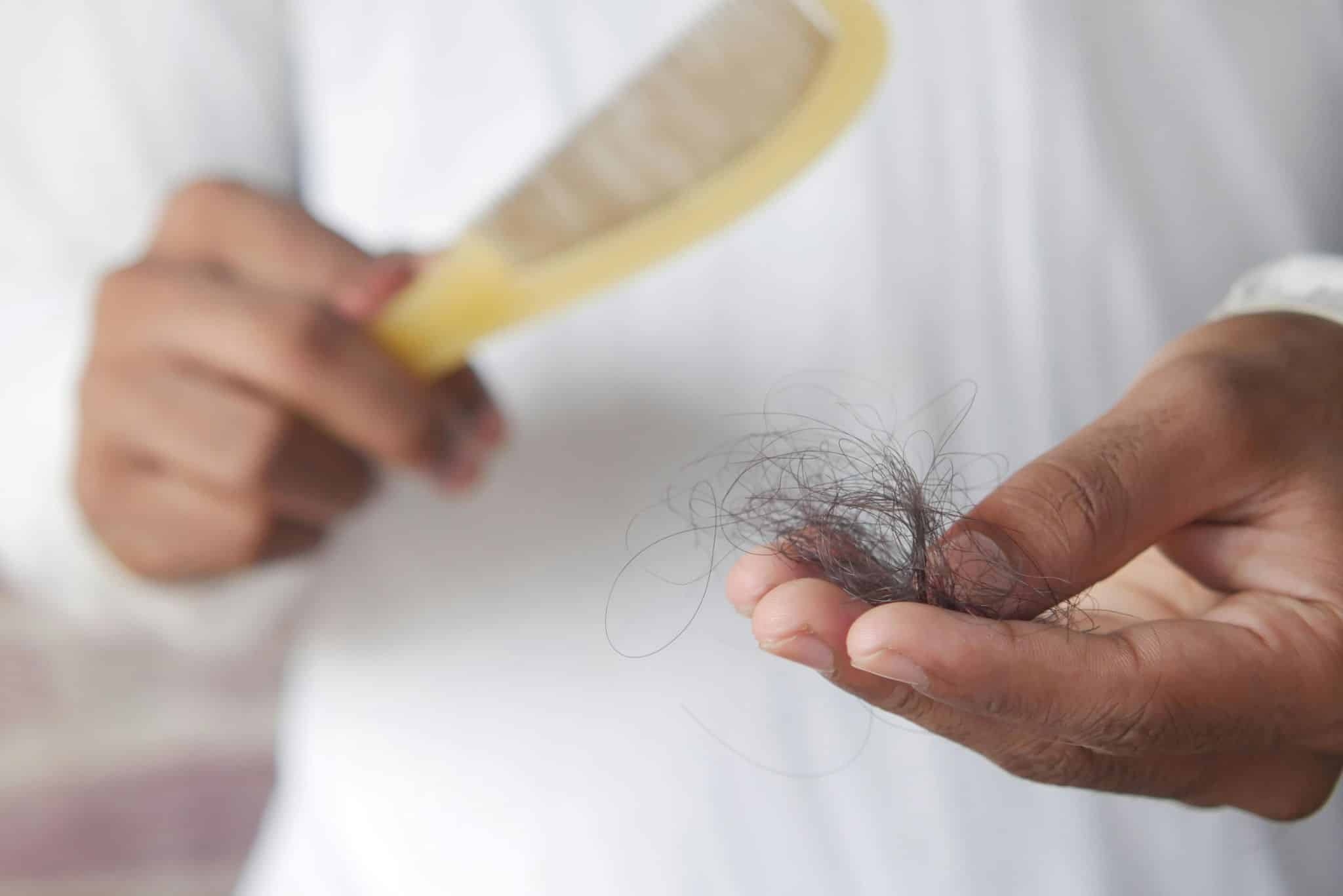
Stress Can Have A Big Effect
Stress gets blamed for almost everything these days, so you might ignore it as a possible cause. However, stress can genuinely affect your hair and even lead to hair loss. That’s why it’s worth taking seriously.
Stress is something that tends to be quite sneaky as well, so it’s not always an obvious cause. For example, you might go through something stressful, but then your body only reacts a few months later, so it’s hard to connect the two sometimes. However, poor sleep, always feeling under pressure, and never really switching off is all going to catch up eventually, and hair loss might be a sign that it has.
Diet Can Be A Problem
Hair tends to respond quite quickly when your body isn’t getting what it needs enough of the time, and if you’re skipping meals, you’re on a restrictive diet, or you’re not eating enough protein, for example, all those things can affect hair growth and overall hair condition. Of course, the odd treat here and there isn’t going to do much damage, but if you’re eating badly more often than not, your hair might start to fall out as a result.
The good news is that this is an easy thing to fix – start to eat right, and your hair should grow properly again and look healthy once more.
Hormones Can Change Things
Hormonal changes affect hair a lot more than you might think, and whether it’s pregnancy, menopause, contraception, or even just monthly hormonal fluctuations, it can all influence the texture and thickness of your hair, not to mention how well it grows (or how much it falls out).
That’s why part of hair loss in women can be quite confusing because it might be a natural part of life, or it could be something that you need to do something about. It’s wise to get advice if you’re not sure.
Heat And Tight Styling Don’t Help
Most people already know that excessive heat isn’t ideal, but if you’re also styling your hair all the time, that’s potentially a problem as well. It wears hair down after a while and makes it weaker.
Straighteners, tight pony tails, extensions, bleaching, slicked back styles, and other similar things might not feel like they’re causing a problem, but if you’re always doing them, and you’re doing them long term, then your hair is going to become quite fragile.
Understanding Hair Loss in Women
Hair changes can feel frustrating, especially when the cause is not immediately obvious. The good news is that many everyday habits and health factors that affect hair can often be improved once you recognize what’s going on. Small changes to your routine, stress levels, diet, or styling habits can make a noticeable difference over time.
The most important thing is not to ignore sudden or ongoing hair loss. Paying attention to your body and getting professional advice when needed can help you better understand the cause and find the right solution. Healthy hair is often connected to overall wellbeing, so taking care of yourself as a whole is one of the best places to start.