
The Power of Curiosity: Turning Kids into Science Explorers
Kids ask questions about everything they see. It can be a lot for parents to handle during a busy day. This constant questioning is the heartbeat of scientific thinking and discovery.
Nurturing this spark helps children see the world as a giant laboratory. It builds thinking skills that last for a long time. These young explorers learn to look deeper into how things work every single day.
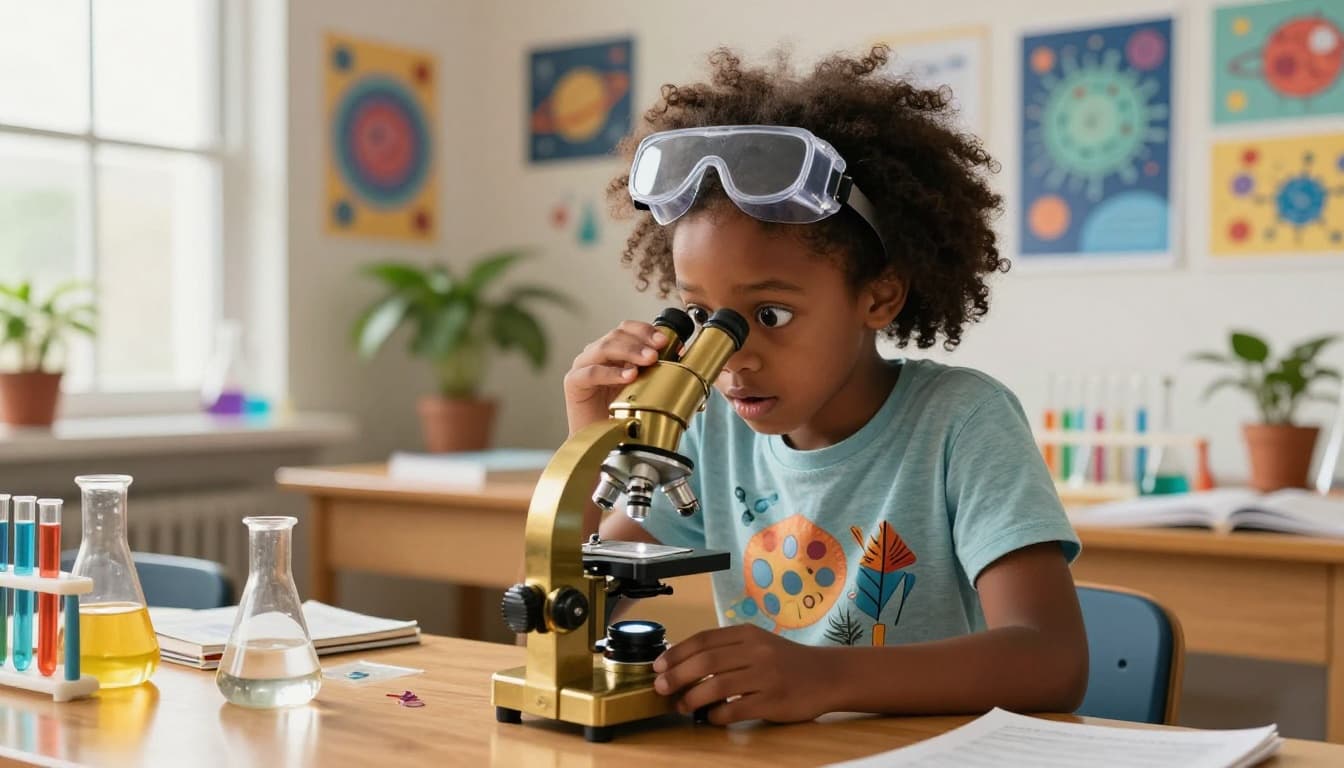
The Spark Of Asking Why
Curiosity acts as the engine for all human progress. Every famous scientist began their career with a simple question about a natural process. This drive to know more is what leads to new inventions and medicine.
When kids feel free to explore, they gain huge amounts of confidence. You can click here to find programs that turn that interest into real skills. STEM programs give children the tools to experiment, test ideas, and discover how science connects to the world around them.
Little explorers need a space where it is okay to fail. Testing an idea and seeing it fail is just a normal part of the process.
Memory And Real World Application
Learning is much easier when a child has a personal interest in the topic. If they feel bored, the facts usually slip away after the test is over. A deep interest keeps the brain active and ready for more.
A recent educational study noted that when students are curious, they tend to remember their lessons better. This interest helps them apply that knowledge to new problems in the future. It turns a boring lesson into a useful tool they can use.
Deep learning goes far beyond just getting a good grade. It helps kids solve puzzles in their daily lives at home or on the playground. They become natural problem solvers who do not give up easily.
Space Exploration From Home
The stars have always been a massive source of wonder for little ones. Looking at the night sky helps them realize how big the universe really is. It creates a sense of awe that is hard to match.
A science update mentioned that sign-ups for a student coding project began in September 2025. This project lets kids write code for computers on the International Space Station. It brings the reality of space travel right into their own living rooms.
Technology makes science feel reachable for every single child today. It is no longer a subject only found in thick, heavy textbooks. Kids can see that they have a place in the future of space.
Hands-On Experiments
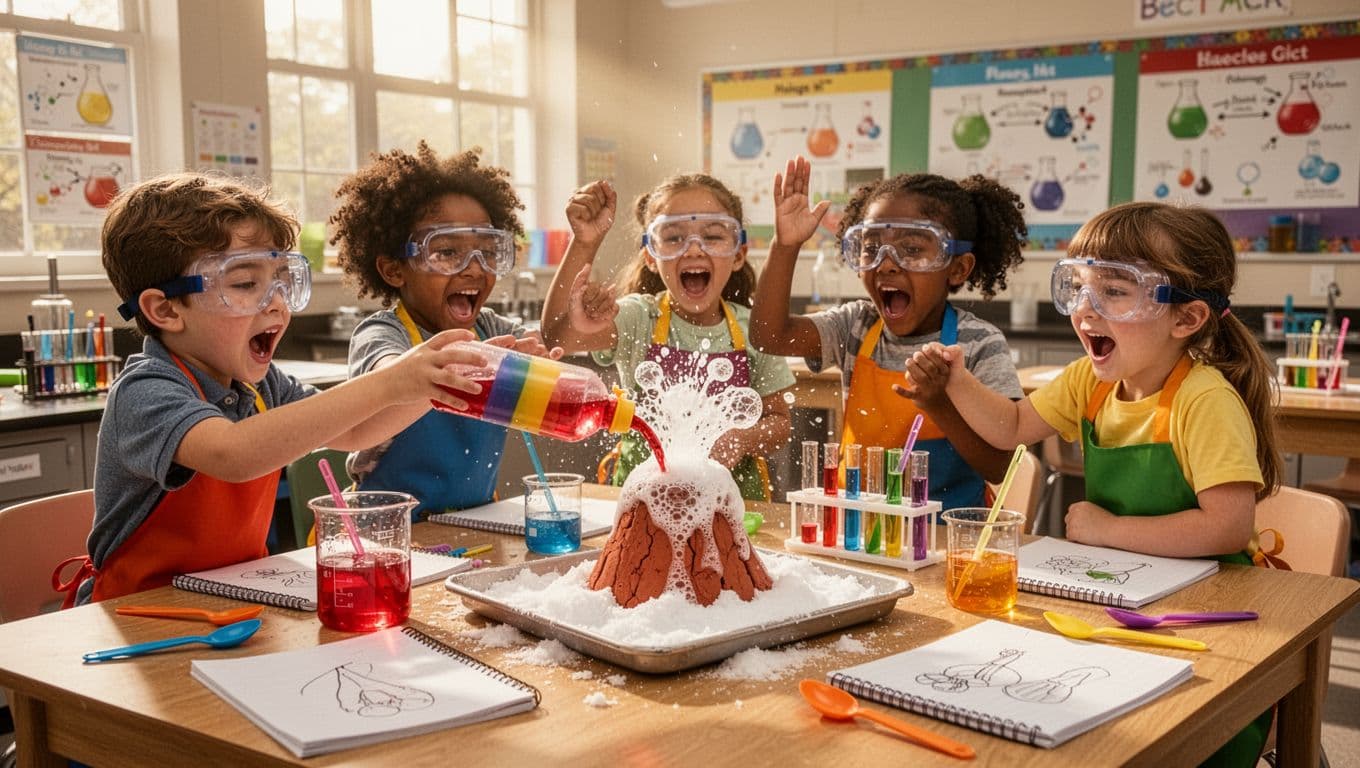
Reading about science is fine, but doing it is much better. Kids love to get their hands dirty with slime or baking soda. These messy moments are where the best learning happens.
- Mixing vinegar and baking soda to see a fizzy reaction
- Building a small bridge using only 20 wooden toothpicks
- Growing a bean plant in a clear glass jar to see the roots
These activities teach them that their actions lead to specific results. It makes abstract ideas from physics and chemistry feel very real. They start to see the laws of science in action everywhere.
Encouraging The Habit Of Research
Information is everywhere in the modern world. The main trick is teaching kids how to find the right answers. They need to know which sources to trust when they look things up.
Help them look up a fact instead of just giving them the answer. This builds independence and a love for finding out the truth on their own. It turns them into active seekers of knowledge.
Use 1 or 2 books from the local library to start a deep dive. They will enjoy being the expert on a specific animal or a far planet.
Nature As A Learning Lab
The backyard is full of biology for those who look closely. There are hundreds of insects to watch and many plants to identify. It is a world that is always changing with the seasons.
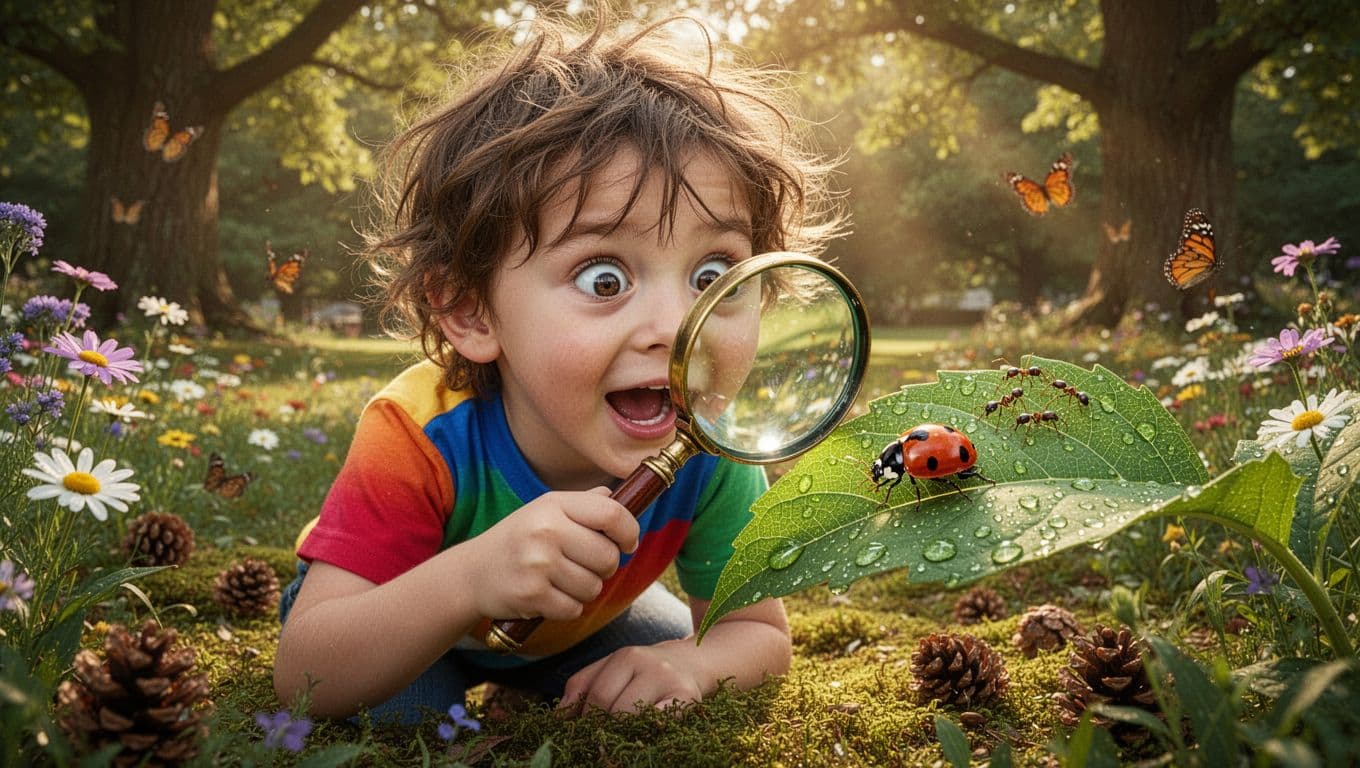
Taking a walk becomes a science trip with a simple magnifying glass. Look at the patterns on a leaf or follow an ant trail across the dirt. These small details show how complex nature really is.
Nature provides 1000s of lessons for $0 every year. It is the best place to practice being a careful observer. Kids learn to respect the environment while they study it.
Turning Tech Into A Tool
Screens do not have to be a distraction for young minds. They can be a window into labs across the entire globe. Tech is a powerful tool when used with a clear goal in mind.
Many apps allow kids to test chemical reactions without making a mess. This is a great way to learn about safety before trying the real thing. It builds a foundation of knowledge in a safe way.
Balance is the key to using digital tools for learning. Use these devices to prepare for real-world exploration outside. Technology should support the physical discovery of the world.
Science is a journey that never truly has an end. Keeping that curiosity alive is the best gift you can give to a child. It opens doors to careers and hobbies they might love forever.
Watch them grow as they ask hard questions and find their own answers. The world needs more people who are brave enough to explore. Support their questions and watch their minds expand every day.