
How Creative Office Design Can Help You Fall in Love With Work Again
There is a moment most people do not talk about. It is not burnout, exactly. It is quieter than that. You sit down at your desk, open your laptop, and feel… nothing. No spark. No momentum. Just the dull sense that you are about to repeat yesterday.
Falling out of love with work often looks like “fine.” You still deliver. You still show up. But the joy disappears. And when joy goes missing, everything gets harder than it needs to be.
The good news is this: you do not always need a new job to feel new again. Sometimes, you need a new environment that reminds your brain why it cared in the first place.
Your Workspace Is Training Your Mood Every Day
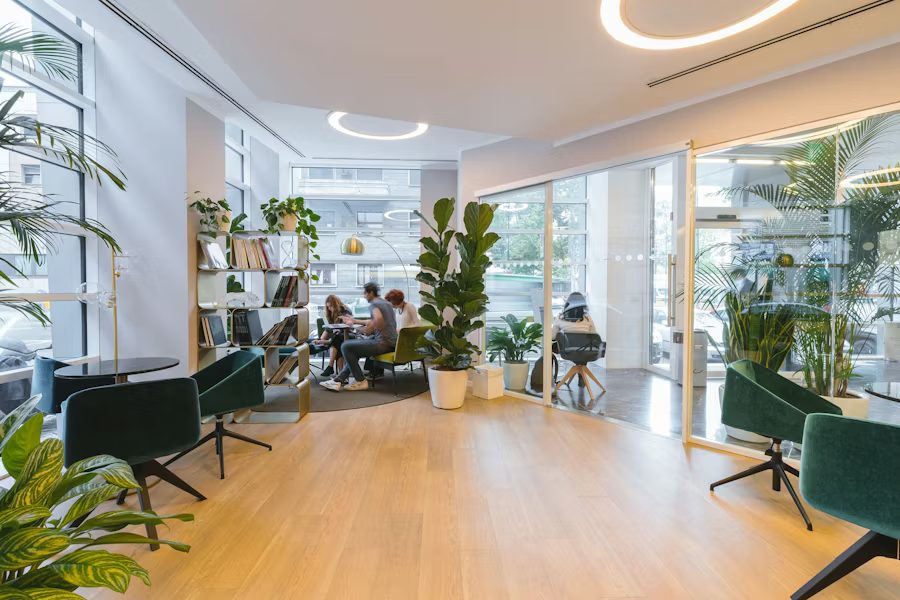
Offices are not neutral. They teach your nervous system what to expect. A cramped corner, harsh lights, and constant noise do not just annoy you; they shrink your thinking. On the other hand, a workspace with breathing room, warmth, and intentional flow can make you feel capable before you even start.
Design shapes behaviour. If your desk invites you to hunch and hide, your work will follow that energy. If your space welcomes you with light, comfort, and a little personality, it becomes easier to take creative risks. It becomes easier to begin.
Design That Supports Focus, Not Just Aesthetics
A beautiful office that cannot support deep focus is just decoration. Real productivity comes from design choices that protect your attention. Think about what pulls you out of your work: interruptions, clutter, uncomfortable seating, and a lack of clear zones.
Create a “quiet zone” that signals concentration. Add a task lamp instead of relying on overhead lighting. Keep your most-used tools within easy reach. Even small shifts can reduce friction. When friction disappears, motivation quietly returns because starting does not feel like a battle.
And if you want to ensure your employees and your customers or patients are happy, it’s worth speaking to experts to get the job done right – top medical architects are ideal for a medical-based business, for example, and they’ll know just what to do to ensure you’ve got a space that works for everyone.
Let the Room Reflect the Work You Want to Do
If you are a strategist, you might need a wall space to map out ideas. If you are a designer, you might need a visual corner filled with materials and inspiration. If you lead a team, you may need a seating area that encourages real conversation instead of stiff meetings.
This is where creative office design becomes powerful. It allows the room to match the way you actually work, not the way offices have always looked.
Design for Energy Shifts Throughout the Day
Most people try to work at one speed all day. It never works. Your energy changes, so your space should support different modes.
Build a reset corner. A chair near a window. A standing spot for quick admin tasks. A small area for thinking without screens. When you can physically move into a new zone, you give your brain permission to change gears. That is how you protect your motivation from flatlining.
The Real Goal Is Not a Prettier Office
A well-designed workspace does something deeper than looking good in photos. It reminds you that your work matters enough to be cared for. It signals that you are not just pushing through tasks, you are building something.
When your environment supports you, you stop forcing yourself to work. You start wanting to. So look around your office. Not with judgment, but with curiosity. What is it teaching you to feel? And what would happen if your workspace started training you to feel inspired again?
Because falling back in love with work is rarely one dramatic moment, sometimes, it begins with a room that finally makes you breathe.