
How to Design a Calming Nook on a Budget
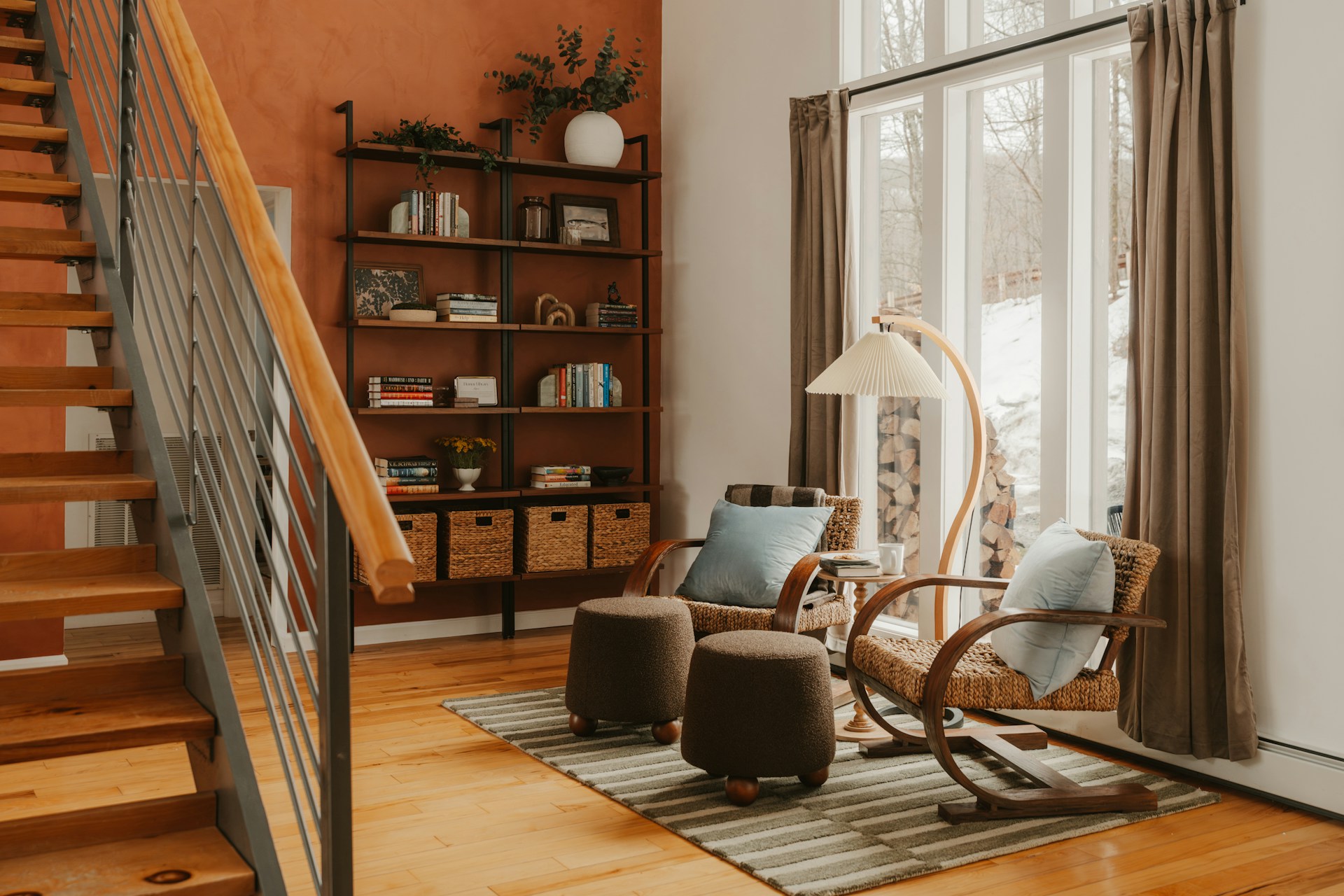
A calming nook can turn an unused corner into a practical place for reading, journaling or taking a quiet break. You don’t need a large room or an expensive renovation to create one. A compact seat, comfortable cushion and a few meaningful details can make the space feel separate from the rest of your home. Set a realistic budget first, then measure carefully so every purchase has a clear purpose.
Choose the Right Corner of Your Room
Look for a corner that stays relatively quiet and receives enough light for reading. A spot beside a window may work well during the day, while an empty alcove or the space at the end of a hallway can offer more privacy. The corner should be away from busy walkways so you can sit without feeling crowded.
Measure the floor area, wall width and window height before choosing furniture. Aim to preserve at least 30 inches of clear walking space nearby. These cozy hobby nook ideas can also help you assess lighting, seating and storage. If the nook feels exposed, define it with a small rug, curtain panel or tall houseplant. For more inspiration, explore these ideas for creating a peaceful reflection space at home to make an everyday corner feel more inviting and relaxing.
Build a Custom Bench on a Modest Budget
A simple bench gives you seating and can provide useful storage underneath. Build a basic box frame from plywood, or adapt a sturdy low cabinet that fits your measurements. Sand every edge and attach the bench securely to wall studs if it could shift or tip. Paint left over from another room can help the finished piece blend into your decor at no extra cost.
Plan the seat cushion while pricing the frame. Ordering quality foam in a suitable size may be more practical than trying to adapt several loose cushions. For more construction and cost-saving inspiration, this DIY reading nook guide covers options for different budgets. Add baskets below the seat if building drawers would make the project too expensive or time-consuming.
Select Supportive Cushion Materials
Choose cushion material based on how often you expect to use the nook. A seat used for an hour each evening needs firmer support than a decorative cushion used occasionally. Medium-firm upholstery foam around 3 to 4 inches thick is a sensible starting point for many bench seats. Test a similar cushion in a furniture store if you’re unsure how that depth will feel.
Wrap the foam in batting to soften sharp edges and give the cover a fuller shape. For the fabric, washable cotton canvas or upholstery fabric will cope better with regular use than a delicate material. An envelope-style cover is easy to sew and remove. If sewing isn’t an option, secure fabric neatly underneath a removable plywood cushion base with a staple gun.
Curate Books and Personal Inspiration
Keep the nook visually calm by limiting what you display. Select five to ten books you genuinely plan to read, then store the rest elsewhere. A narrow picture ledge can hold books face-forward without taking up floor space, while a small basket keeps notebooks and magazines contained.
Include one or two personal items that help the corner feel welcoming. You might frame a favorite family photo, display a postcard from a memorable trip or place a handwritten quote beside the books. Finish with a warm LED reading lamp that directs light onto the page without shining across the whole room. Cord clips can keep the cable close to the wall and reduce clutter around the bench.
Your nook is ready when the seat feels supportive, the light reaches your book and everything you need fits within easy reach. Leave a little empty space on the shelf so the corner remains restful as your reading list changes.