
Small Space, Big Comfort: Furniture Choices That Make Home Feel Calmer
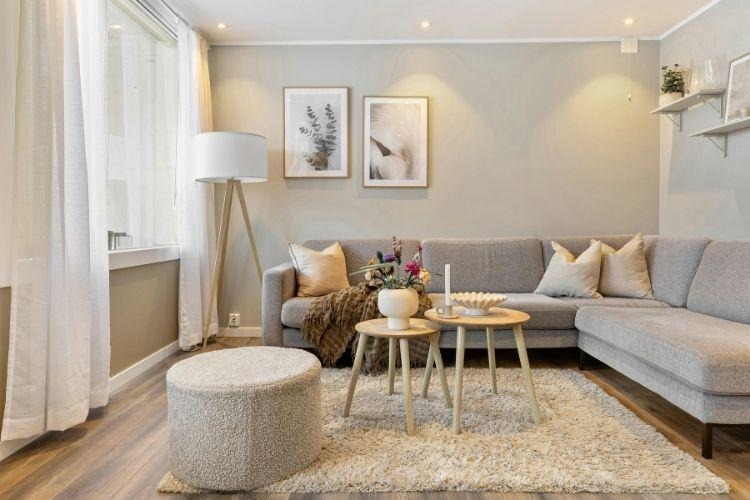
When every corner counts, comfort becomes less about excess and more about intention. A crowded room can feel mentally draining, while a thoughtfully designed one can create a sense of calm that makes daily life easier.
That’s one reason more homeowners and renters are rethinking the way they furnish smaller spaces. Instead of filling rooms with oversized furniture or trend-driven pieces that quickly lose their appeal, people are investing in versatile, long-lasting designs that make home feel restorative.
Why Calm Interiors Matter More Than Ever
The connection between our homes and our mental wellbeing is well documented. According to research published by the Journal of Environmental Psychology, cluttered and overstimulating spaces can contribute to stress and cognitive overload, while organized, calming environments support relaxation and focus.
For people living in apartments, townhomes, or compact family homes, creating that sense of calm often comes down to smart furniture decisions.
One growing trend is the rise of flexible modular seating systems like Soulfa, which allow homeowners to create adaptable layouts without overwhelming smaller living spaces. These versatile designs reflect a broader shift toward furniture that supports comfort, longevity, and emotional wellbeing rather than simply following trends.
Choose Fewer Pieces, But Better Ones
One of the biggest mistakes people make in small spaces is trying to fit too much furniture into one room. A compact living room filled with multiple chairs, side tables, and oversized décor can quickly feel visually heavy.
Instead, designers increasingly recommend investing in fewer, higher-quality anchor pieces.
A well-made sofa with generous seating can often replace the need for multiple accent chairs. A versatile ottoman can serve as seating, storage, or a coffee table. Furniture that performs multiple functions helps maintain openness while still supporting everyday life.
This is where modular furniture has become especially appealing. Unlike traditional sofas that lock homeowners into a fixed layout, modular seating allows rooms to evolve over time. Pieces can be rearranged, expanded, or simplified depending on changing needs.
The Comfort Factor: Why Deep Seating Helps Spaces Feel Softer
Comfort is often associated with large homes, but small spaces can feel equally luxurious when furniture prioritizes softness and usability.
Deep seating, plush cushions, and supportive materials encourage relaxation and help transform even compact rooms into restorative environments.
Design psychologists note that comfort is deeply sensory. Soft textures, rounded silhouettes, and supportive seating can reduce visual tension and make interiors feel emotionally safer.
That’s one reason cloud-style sofas and modular sectionals have become so popular in recent years. Their low-profile forms and inviting proportions help rooms feel relaxed rather than rigid.
Well-constructed furniture that balances softness with durability tends to create the calmest long-term environments.
Light, Texture, and Fabric Choices Matter
In smaller rooms, bulky furniture or visually heavy fabrics can make spaces feel enclosed. Choosing lighter tones and tactile materials can dramatically shift the mood of a room.
Interior designers often recommend:
- Soft neutrals that reflect natural light
- Textured fabrics that add warmth without visual noise
- Upholstery that feels inviting rather than overly formal
- Performance fabrics that reduce stress around spills or daily wear
Practicality also contributes to calm. Washable covers, stain-resistant fabrics, and durable materials help homeowners spend less time worrying about maintenance.
Increasingly, shoppers are also considering material safety. Interest in low-toxin, low-off-gassing furniture has grown significantly as consumers become more aware of how indoor environments affect health and comfort.
According to the Environmental Protection Agency (EPA), indoor air pollutants can sometimes be two to five times higher than outdoor levels, making furniture materials an important consideration for healthier living environments.
Modular Furniture Works Especially Well in Small Homes
One of the biggest challenges in compact homes is adaptability. Rooms often serve multiple purposes throughout the day: workspace, entertainment zone, reading corner, or guest space.
Modular furniture helps solve that problem because it can shift alongside changing routines.
Instead of committing to one rigid layout, homeowners can rearrange seating configurations as needed. A sectional can become a lounge area for movie nights, separate seating for guests, or a more open arrangement when extra floor space is needed.
This flexibility is especially valuable for renters or people who move frequently. Modular pieces are often easier to transport through elevators, narrow hallways, or staircases than large traditional sofas.
Importantly, modular design no longer means sacrificing style. Today’s best modular systems prioritize craftsmanship, supportive construction, and long-term comfort alongside adaptability.
Creating Emotional Calm Through Layout
Calm interiors are not only about what furniture you choose, but also how you arrange it.
Small rooms feel more peaceful when layouts encourage flow and openness. Designers often suggest:
- Leaving visible floor space around furniture
- Avoiding blocked pathways
- Positioning seating toward natural light when possible
- Using fewer but larger statement pieces instead of many small items
Furniture with clean lines and thoughtful proportions can help rooms feel organized without appearing sterile.
Visual clutter increases mental stimulation. Open layouts allow the brain to process spaces more easily, creating a greater sense of ease.
Even something as simple as choosing a sofa with exposed legs instead of a bulky skirted base can help a room feel lighter and less crowded.
Longevity Creates Peace of Mind Too
Disposable furniture contributes not only to environmental waste but also to ongoing stress. Replacing sagging couches, broken frames, or worn upholstery every few years creates financial and emotional friction.
That’s why many consumers are moving away from “fast furniture” in favor of longer-lasting investment pieces.
High-quality furniture built with solid hardwood frames, durable upholstery, and replaceable components often creates more value over time, even if the upfront investment is higher.
For many households, peace of mind comes from knowing their home is filled with pieces designed to support real life for years rather than seasons.
Small Spaces Can Still Feel Luxurious
A calm home doesn’t require sprawling square footage or perfectly styled rooms. Often, the most comforting homes are the ones that feel intentional, adaptable, and genuinely lived in.
Small spaces have the potential to feel deeply restorative when furniture choices support comfort instead of chaos.
Choosing versatile seating, thoughtful layouts, durable materials, and calming textures can transform even compact homes into spaces that help people slow down and recharge.
And in a world that increasingly feels overstimulating, creating that sense of calm at home may be one of the most valuable design choices of all.
References
Journal of Environmental Psychology: Research on clutter and mental wellbeing
Environmental Protection Agency (EPA): Indoor Air Quality and Household Pollutants
American Psychological Association: Environmental Stress and Home Design Research