
What Size Mattress Actually Helps When Sleep Has Been Hard Lately
Sleep struggles have a way of sneaking into everything. Mood, focus, patience, even how your body feels walking into the kitchen in the morning. When rest has been elusive, it is tempting to chase supplements, blackout curtains, new routines, or the latest app. The mattress beneath you often gets ignored, even though it is doing a lot of heavy lifting every single night. Size matters here more than most people realize, not in a flashy way, but in a practical, deeply physical one. Choosing the right mattress size can quietly remove barriers that have been keeping sleep from settling in.
When Feeling Crowded Disrupts Rest More Than You Think
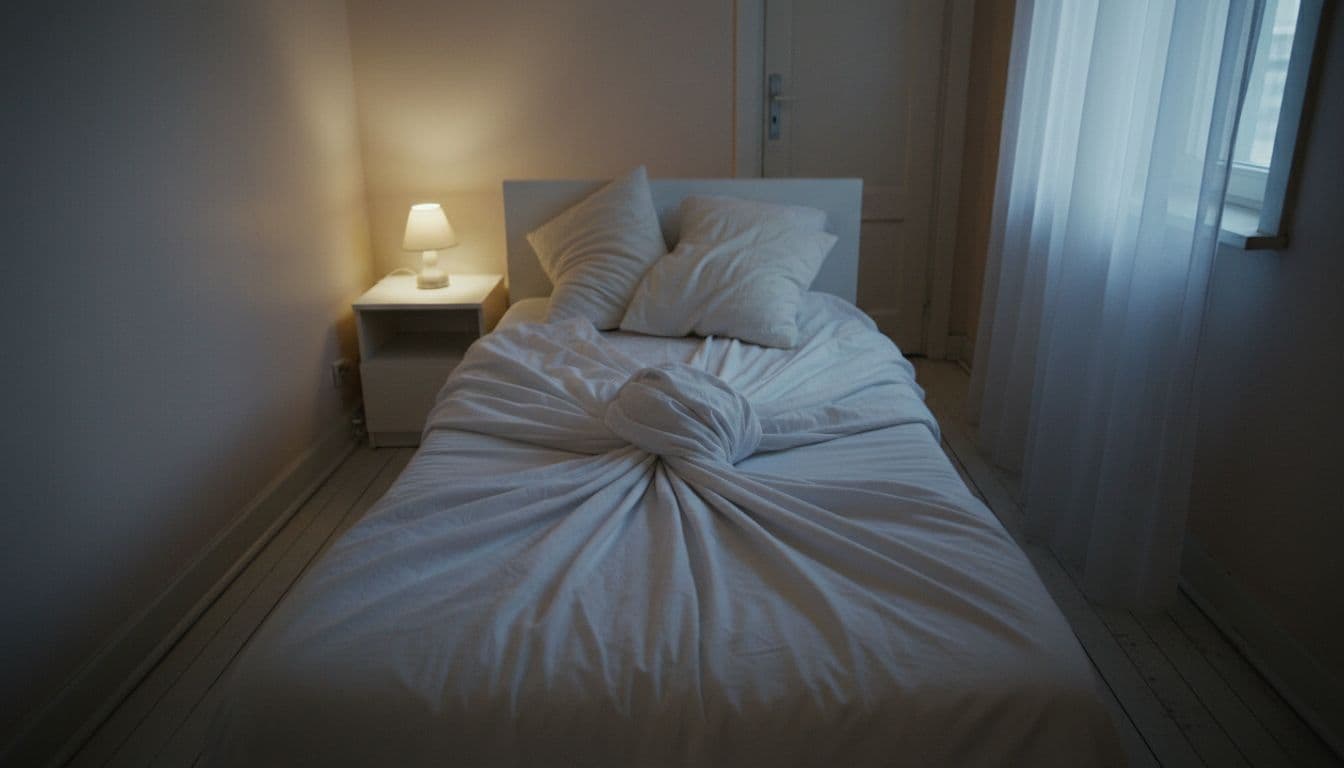
A mattress that feels even slightly cramped can keep your nervous system on edge. Tossing, adjusting, waking to reclaim space, these small interruptions add up. Many adults underestimate how much room their body needs to fully relax. Shoulders broaden over time, hips change, and sleep positions evolve. A mattress that once felt fine can start to feel restrictive without you consciously noticing why sleep feels lighter or more fragmented. Space gives the body permission to settle, especially for side sleepers or anyone who changes positions during the night.
Why More Width Can Mean Less Nighttime Tension
This is where the conversation often turns toward larger sizes, and not just for couples. There is a reason designers and sleep specialists keep circling back to one idea, king size mattresses are the universal best fit because they create room for natural movement without negotiation. Even solo sleepers benefit from the extra width. Arms can rest where they fall, legs can shift, and there is no subconscious bracing against the edge. For partners, the added space reduces micro disturbances that happen every time one person rolls, stretches, or gets up. Fewer disruptions mean fewer awakenings, even if you do not remember them the next morning.
Height, Weight, And Sleep Position All Play A Role
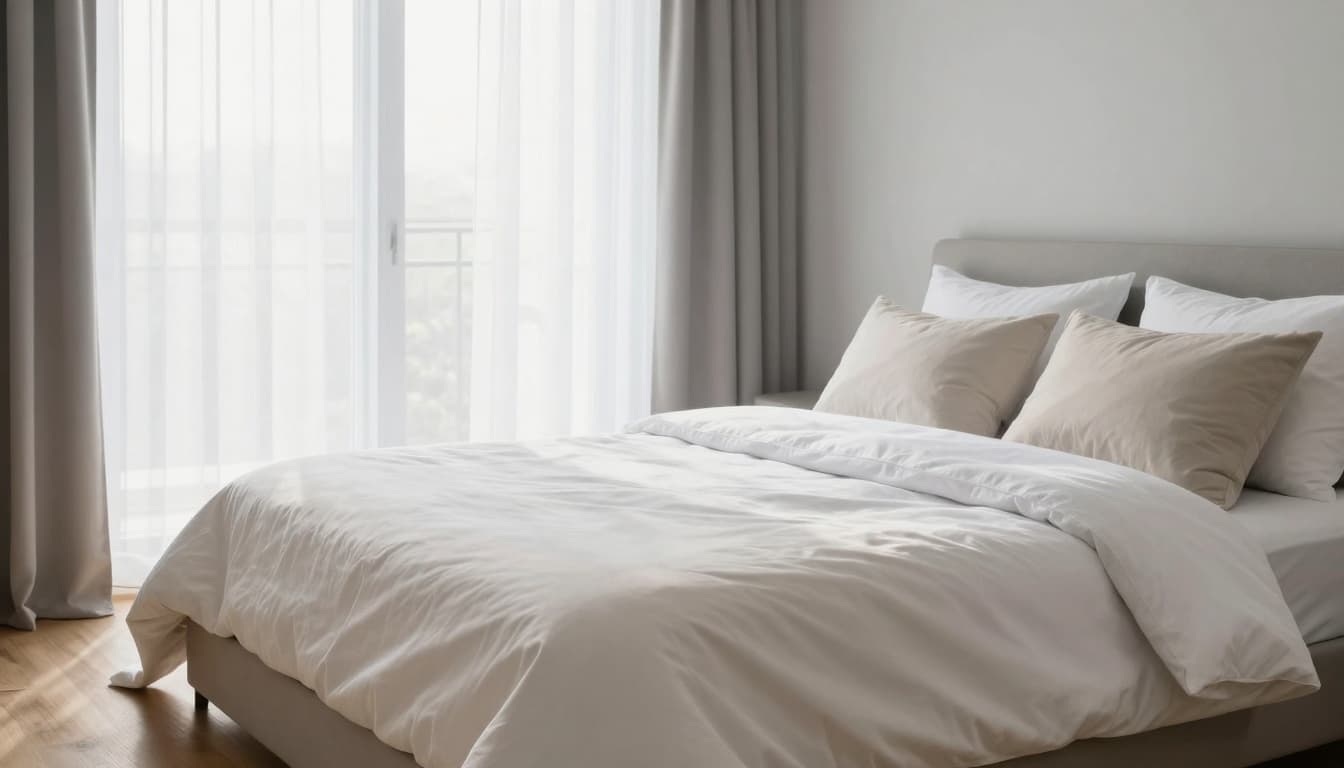
Size is not just about width. Taller sleepers often need length that prevents feet from hanging off the edge or forcing a diagonal position that strains the lower back. Stomach sleepers tend to sprawl more than they think, while side sleepers often draw knees up and need room for alignment. Weight distribution also matters. A larger surface area allows the mattress to respond more evenly to the body, which can reduce pressure buildup. This is not about indulgence or excess. It is about matching the bed to the body you actually have now, not the one you had years ago.
Technology Can Inform The Choice Without Overthinking It
Many people now rely on wearables or apps for sleep tracking, and while data cannot replace how you feel, it can reveal patterns worth noticing. Frequent restlessness, short sleep cycles, or repeated awakenings around position changes often point to physical discomfort rather than stress alone. If your data shows fragmented sleep despite good habits, the mattress size may be part of the equation. More room can lead to fewer position changes, longer uninterrupted stretches, and better overall sleep quality, even before you adjust anything else.
Shared Beds Require Honest Math, Not Compromise
Couples often default to a queen out of habit or room size concerns, then quietly adapt to nightly disruptions. The reality is that two adults, plus pets or kids who wander in, can overwhelm that space fast. Sleep becomes a series of small concessions rather than true rest. A larger mattress does not fix relationship dynamics or snoring, but it does reduce friction in a literal sense. When each person has space to exist without crowding, sleep becomes less reactive and more restorative.
Room Size Anxiety Is Usually Overblown
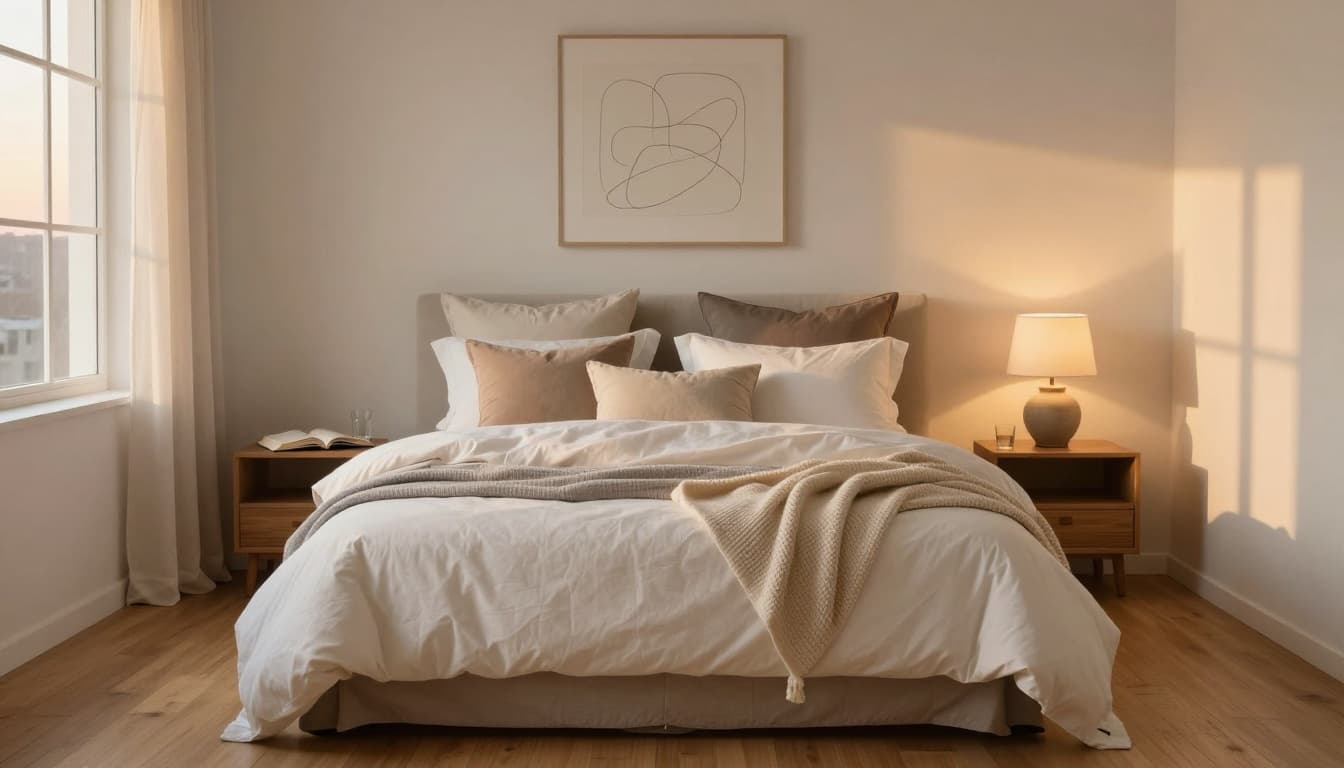
One of the biggest reasons people avoid larger mattresses is fear that the room will feel cramped. In practice, the difference is often minimal, especially when furniture is arranged thoughtfully. Nightstands can be narrower, dressers can shift, and visual balance returns quickly. What does not fade is the benefit of sleeping without feeling boxed in. Bedrooms are for rest first. Everything else is adjustable.
A Personal Decision That Deserves Reconsideration
Choosing a mattress size is not a one time life decision. It is allowed to change as your needs change. Sleep challenges are not a failure of discipline or routine. Sometimes the environment simply needs to support you better. Giving your body space can be one of the simplest ways to lower nighttime tension and let sleep come more naturally.
Where Rest Starts To Feel Possible Again
When sleep has been a struggle, the goal is not perfection. It is making rest easier to access. A mattress that gives you room to breathe, stretch, and settle can remove one quiet obstacle that has been standing in the way. Space is not a luxury here. It is an invitation to rest, and sometimes that invitation is exactly what your body has been waiting for.