
How Walking Builds A Stronger Body Without The Burnout

In 2026, fitness no longer revolves around pushing your body to exhaustion. Many people now prioritise movement that supports long-term health rather than short bursts of extreme effort. Walking has taken centre stage because it fits into real life, especially when work, family, and recovery already demand your energy. One of the biggest benefits of walking is that it supports long-term health without placing unnecessary strain on your joints, nerves, or nervous system, making it easier to stay active consistently and safely.
It optimises “fat oxidation”

While intense cardio burns more calories per minute, walking keeps your body working in the so-called “fat-burning zone”. At lower intensities, your muscles rely more on stored body fat for fuel rather than rapidly burning sugar. Recent research in 2026 shows that a HIIT workout may split energy use between fat and carbohydrates, while a brisk walk can draw up to 75% of its energy from fat sources. Because walking does not drain glycogen stores as aggressively as running, you are less likely to feel ravenous afterwards, which helps prevent overeating later in the day.
The “insulin smoothing” effect

Walking after meals offers a practical way to manage blood sugar without medication. Health specialists often recommend post-prandial walking because your muscles actively absorb glucose from the bloodstream as they move. A simple 10–15 minute walk after lunch or dinner helps prevent sharp insulin spikes that encourage fat storage and energy crashes . When blood sugar stays stable, cravings ease and energy levels remain steadier, which supports weight management and lowers long-term risk of Type 2 diabetes. Take a short walk after your main meals to make this habit stick.
It lowers the “weight-loss inhibitor” cortisol

High-intensity exercise places stress on the body, which increases cortisol, a hormone linked to abdominal fat storage when levels remain elevated. People juggling demanding jobs or caring responsibilities often add workouts to already stressful days, which can stall progress rather than accelerate it. Walking, especially in green spaces, reduces cortisol and calms the nervous system by moving the body out of “survival mode” and into recovery. Lower stress hormones allow your body to release stored energy more easily instead of holding onto it for protection. Choose routes that feel calm and safe whenever possible.
Zero “recovery debt”
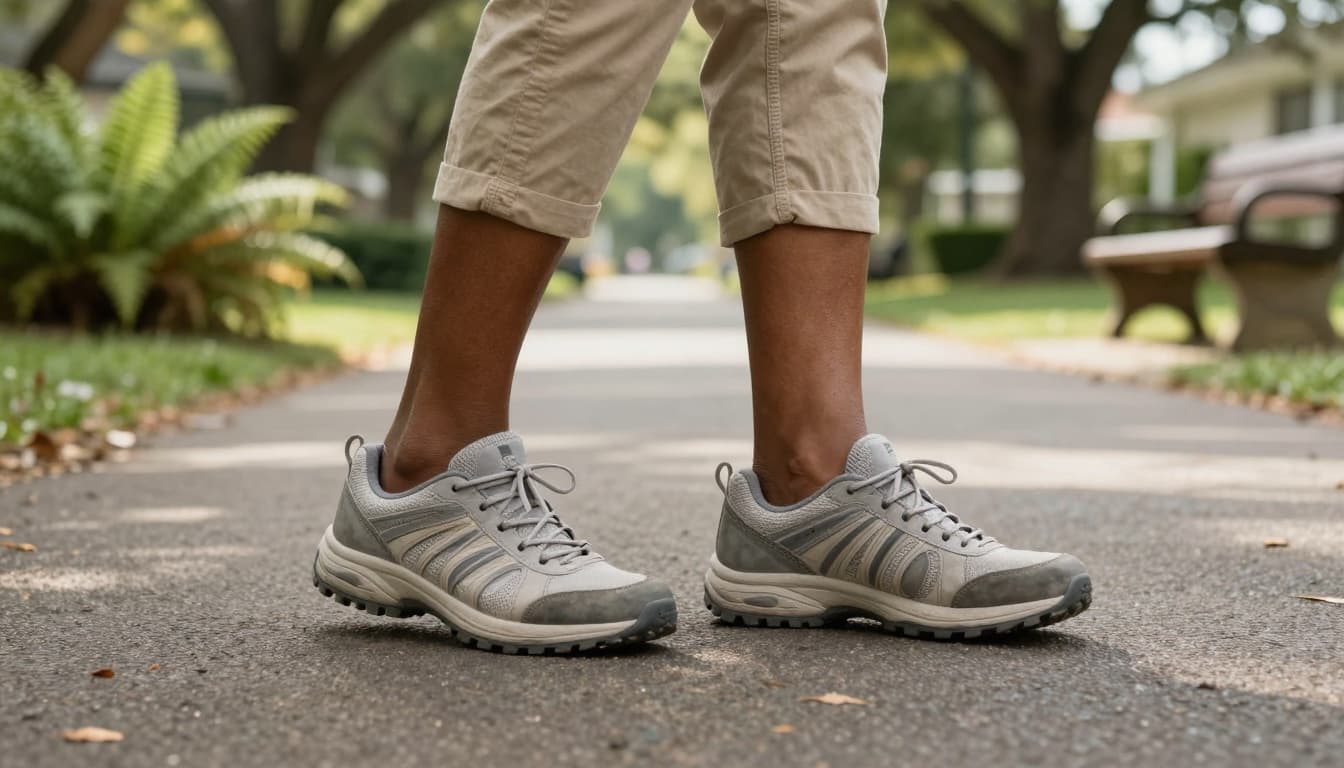
Consistency drives long-term health, yet soreness and injury can often derail ambitious gym plans. Walking carries a near-zero recovery cost, which means you can do it daily without overtraining or placing strain on vulnerable joints. This matters when choosing routes and understanding risks linked to any accidents when walking on a busy road, where awareness, visibility, and safe pathways help reduce the risk of injury. Walking also boosts NEAT (Non-Exercise Activity Thermogenesis), and the calories burned across 10,000 steps often exceed those burned in a single intense gym session simply because the habit remains sustainable over time.
When movement feels sustainable, it becomes easier to stay consistent. The long-term benefits of walking come from its ability to strengthen the body, support daily energy, and reduce the risk of burnout, making it one of the most reliable forms of exercise for real life.