
Creating a Peaceful Space for Reflection at Home
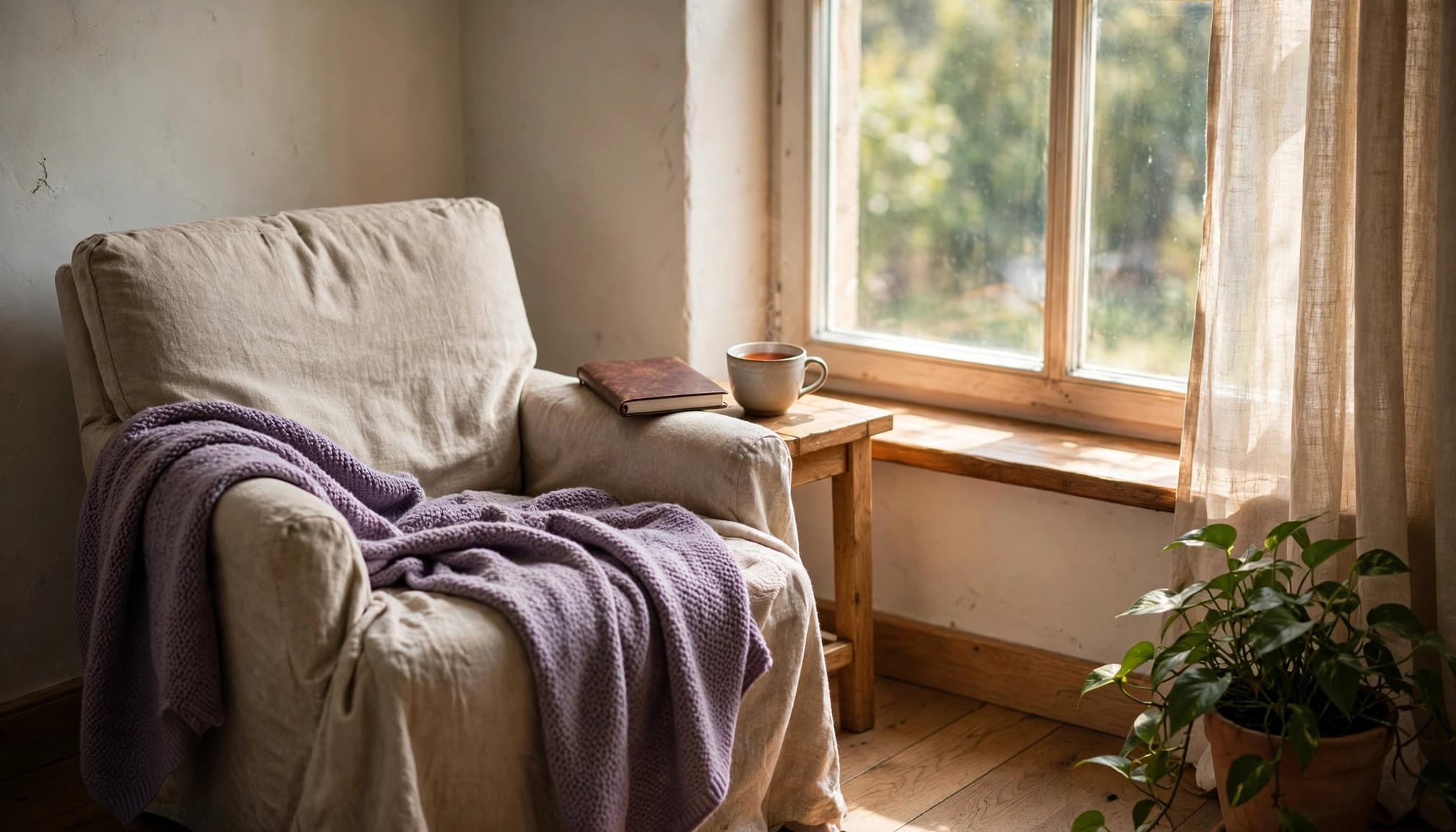
A dedicated reflection space gives you a reliable place to pause, collect your thoughts, and reset between daily responsibilities. You don’t need an empty room or a major home makeover to create one. A quiet corner, a shaded patio, or even a comfortable seat beside a window can work. The best space will feel welcoming, support a few minutes of uninterrupted time, and fit naturally into your routine.
The Power of Quiet Spaces
Quiet spaces reduce the number of demands competing for your attention. They can support journaling, prayer, meditation, or a short breathing break before the next task begins. The growing interest in still spaces at work reflects the same need many people experience at home: a place where constant conversation, alerts, and activity briefly fade.
Choose a low-traffic location and give it one clear purpose. A chair in the bedroom, for example, can become a reflection spot if you keep laundry and work materials elsewhere. Let family members know when you need five or ten quiet minutes so the space remains useful.
Design for Serenity
Start with comfort and simplicity. Select supportive seating, soft lighting, and a small surface for a notebook or cup of tea. Keep the color palette limited to two or three shades that you find restful. Warm whites, muted greens, and soft blues often work well, though personal preference matters more than any design rule. Thoughtful mindful home design can also help reduce visual clutter and encourage you to choose objects that serve a clear purpose in the space.
Outdoor Reflection Nooks
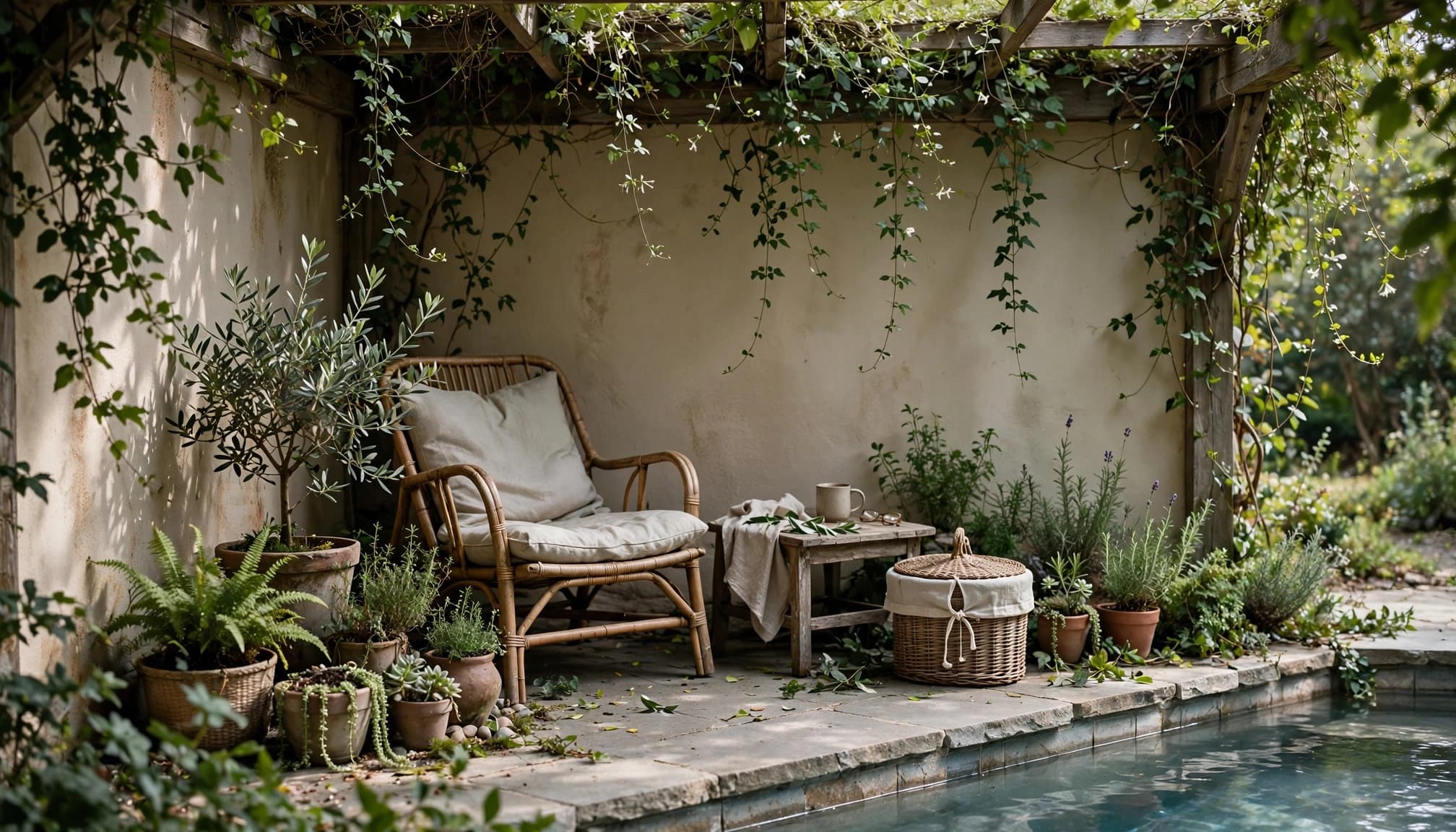
Fresh air and natural light can make a reflection practice feel less formal. Look for an underused part of a porch, balcony, garden, or pool area. A single weather-resistant chair may be enough. If your pool has a shallow ledge, in pool furniture can create a comfortable place to sit near the water while keeping the space suited to outdoor conditions. Add shade with an umbrella or leafy plant, then position the seat so you face greenery, water or open sky instead of a busy street.
Privacy helps you settle in. Use tall planters, an outdoor screen, or curtains to soften distractions without closing off the space completely. Store a cushion and journal in a covered basket nearby. When your supplies are easy to reach, a ten-minute outdoor pause becomes realistic even on a busy afternoon.
Sensory Elements for Calm
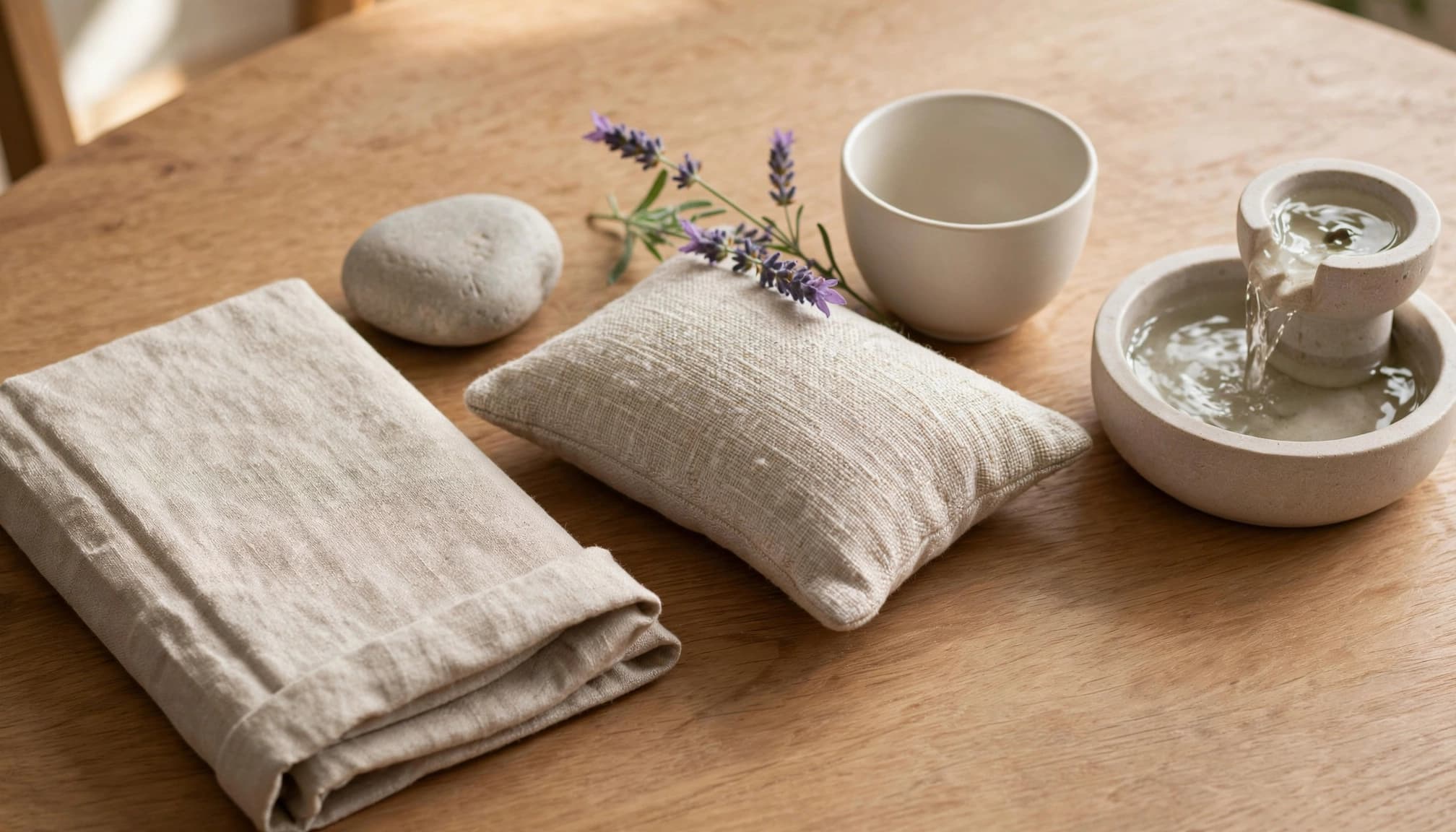
Pay attention to what you see, hear, and feel in the space. Creating calming spaces often starts with adding comforting sensory details and objects that carry positive meaning. Try a textured pillow, a smooth stone from a favorite trip, or a framed family photograph.
Sound deserves equal attention. A small fountain, quiet instrumental music, or the natural rustle of leaves can mask household noise. If you enjoy scent, choose one subtle option such as lavender or cedar. Strong fragrances can become distracting, so begin with less. Keep the area clean and remove anything that reminds you of unfinished chores.
Embrace the Present
A reflection nook works best when you connect it to a simple routine. Sit there after breakfast, before school pickup, or at the end of your workday. Put your phone on silent and set a timer for five minutes if an open-ended break feels difficult. You might write three sentences about your day, practice slow breathing, or sit quietly and notice your surroundings.
Some days will feel focused while others won’t, and both experiences are normal. Return to one physical detail when your mind wanders, such as the light on the wall or your feet against the floor. Over time, that familiar chair or shaded corner can become a gentle cue to slow down and be present.