
Mindful Living: Designing a Home That Supports Your Well-being
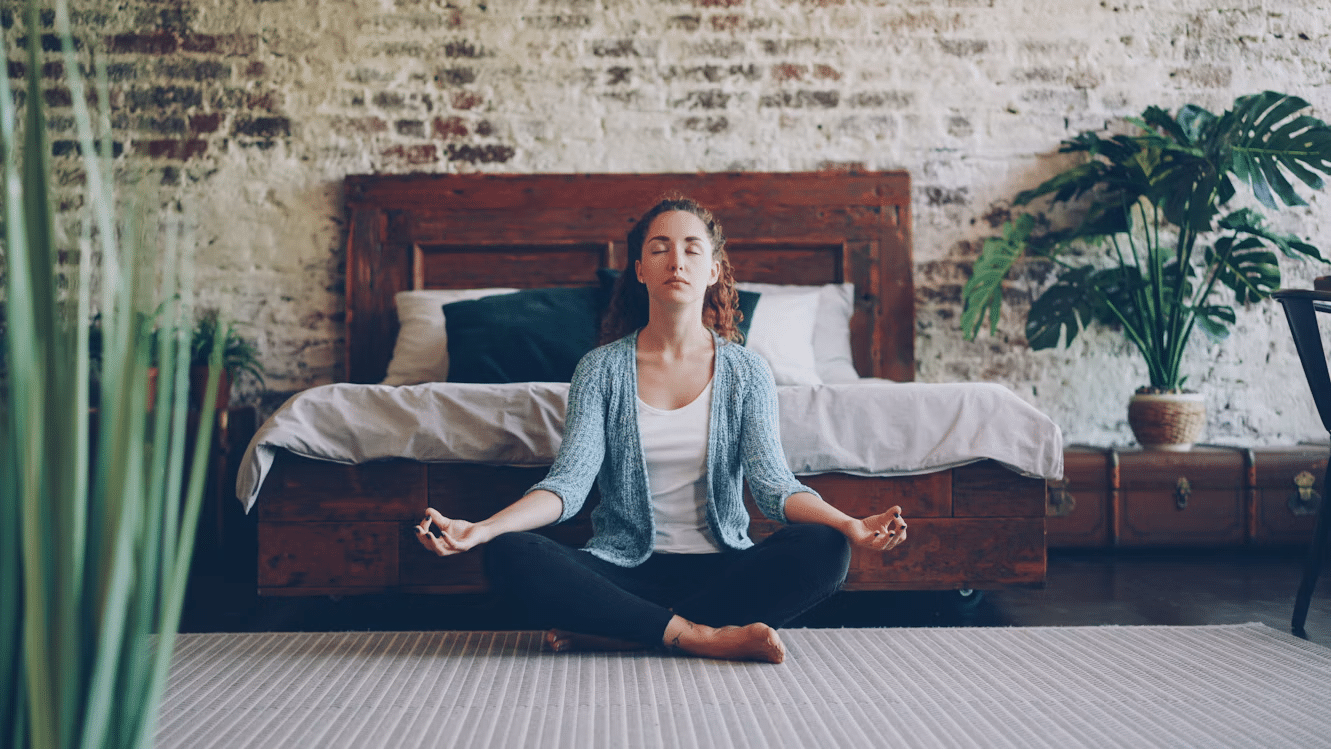
Your home affects how easily you rest, focus and move through daily routines. Thoughtful design choices can reduce visual stress and make ordinary tasks feel more manageable.
You don’t need a large renovation or a picture-perfect room to see a difference. Small changes to lighting, layout, storage and color can help your space feel more supportive of your well-being.
The Link Between Home and Happiness
A crowded entryway, harsh overhead light or noisy work area can add friction to your day. In contrast, a clear walking path and a comfortable place to sit can help your body settle. Marymount University’s overview of interior architecture and mental health explains how factors such as light, color and spatial organization may influence mood and behavior.
Start by noticing how each room makes you feel during normal use. If the kitchen feels hectic every morning, place breakfast supplies together and clear one section of the counter. When the bedroom feels too stimulating, remove work materials and switch to a softer bedside lamp.
Creating Zones for Peace and Productivity
Give different activities a defined place, even when several happen in one room. A small desk near a window can become a work zone while a chair, floor lamp and side table create a quiet reading corner. Rugs, shelving and furniture placement can form visual boundaries without adding walls.
If you’re choosing a new manufactured home in Midland, room layout and customization options offer a chance to plan these zones before delivery, helping with mental clarity. Atlas Home Center sells singlewide and doublewide homes with customization and financing options, allowing buyers to consider how the floor plan will support everyday routines. Think through where you’ll pay bills, supervise homework and relax before selecting a layout.
Customizing Your Space for Mental Clarity
Personal details help a home feel familiar and comforting, but each item should have room to breathe. Choose a few photographs, textiles or pieces of art that carry meaning. Then place them where you’ll regularly enjoy them, such as beside your bed or across from your favorite chair.
Color can also shape the feeling of a room. Muted blues, warm neutrals and soft greens often create a restful atmosphere, while brighter shades can add energy to a workspace. The best choice still comes down to your response. Test a paint sample on two walls and observe it in morning light and evening light before committing.
Decluttering for a Calm Mind
Clutter keeps unfinished decisions in view. A stack of mail signals that something needs attention, while an overflowing closet makes getting dressed harder than it needs to be. Work on one contained area at a time, such as a nightstand drawer or one kitchen cabinet. Set a 15-minute timer so the task has a clear ending.
Sort items into four groups: keep, relocate, donate and discard. Give frequently used belongings an easy-to-reach home, then label closed containers so storage doesn’t become another guessing game.
Bringing Nature Indoors for Serenity
Natural elements can soften a room and give your eyes a break from screens and hard surfaces. Place an easy-care plant near your desk, set a bowl of fruit on the kitchen table or use wood and woven textures in frequently used spaces. If plant care feels like another chore, display clipped branches or botanical artwork instead.
Daylight matters too. Open curtains during the morning and keep tall furniture from blocking windows. A mirror across from a window can spread light deeper into a dim room, though it should not create glare on a television or computer screen. At night, use lamps at different heights to create a gentle transition toward bedtime.
A supportive home should work on an ordinary Tuesday, not only after a major cleaning session. Notice where your routine regularly stalls, then adjust that specific spot. A basket near the door, a lamp beside the sofa or an empty section of countertop may be the change that makes your home feel calmer every day.