
How to Protect Your Belongings During a Bay Area Move
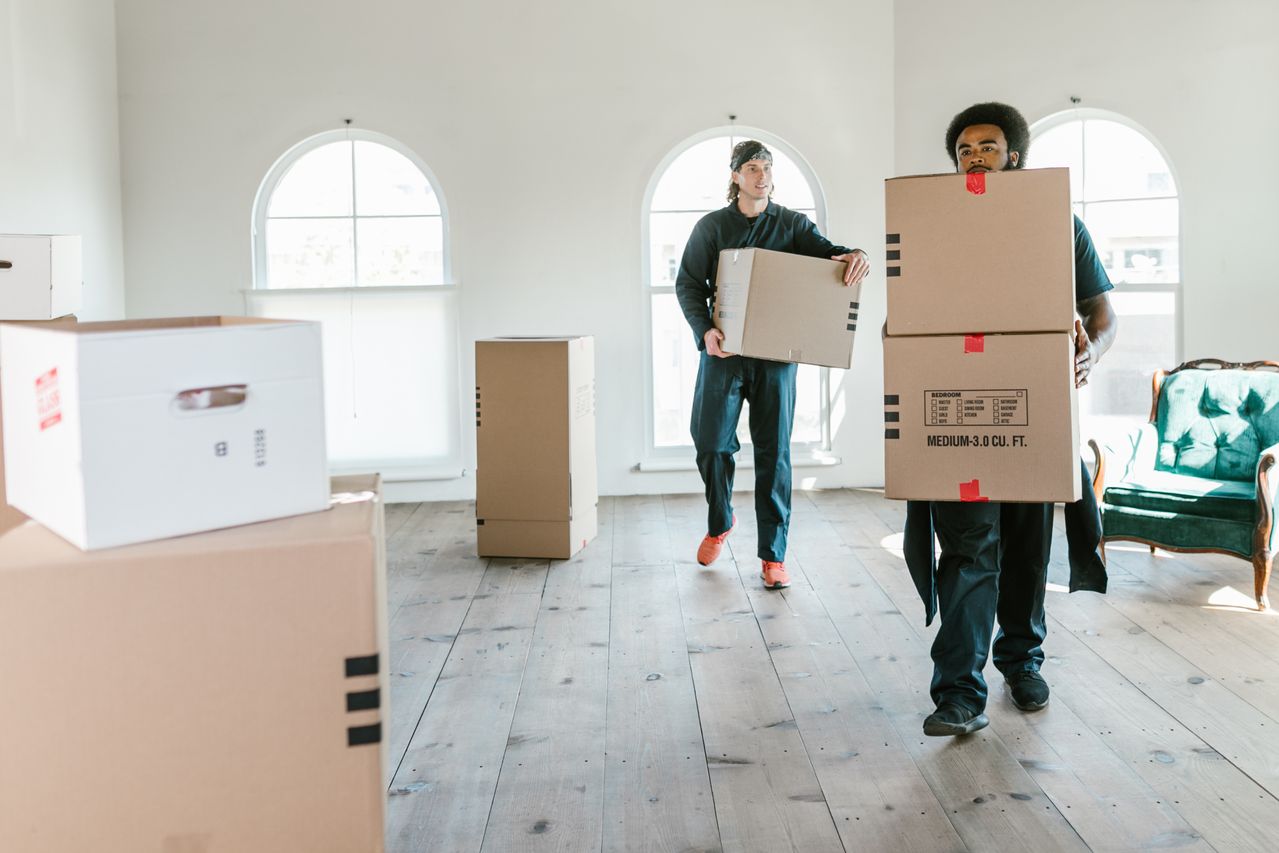
Protecting your belongings during a Bay Area move begins long before the moving truck arrives. Strong packing materials, careful labeling, and thoughtful preparation can reduce the risk of loss or damage.
Moving conditions vary throughout the region. Urban apartments, suburban homes, hillside properties, and coastal communities may present different challenges. Stairs, elevators, limited parking, narrow entrances, traffic, and changing weather can all affect moving day.
Following reliable Bay Area moving tips can help you prepare for these challenges and protect your possessions throughout the relocation.
Use Strong Packing Materials
The condition of your boxes matters. Weak or damaged boxes can collapse when stacked or carried.
Use sturdy boxes that are appropriate for the items inside them. Heavy belongings should generally be placed in smaller boxes so they are easier to lift, while lightweight items can go into larger containers.
Do not overload boxes. Leave enough room for packing materials to protect the contents.
Protect Fragile Items
Glassware, dishes, electronics, mirrors, artwork, and other delicate belongings need extra protection.
Wrap individual items with suitable protective materials and place cushioning around them. Avoid leaving empty spaces where objects can move around during transportation.
Clearly label fragile boxes so they can receive appropriate attention during loading and unloading.
Secure Furniture Before Moving
Large furniture can be damaged when it is moved through doorways, hallways, and staircases.
Where appropriate, remove shelves, drawers, legs, or other detachable components before transportation. Keep screws and hardware in labeled bags so everything can be reassembled later.
Furniture covers or protective wrapping can also help reduce scratches and surface damage.
Keep Valuable Items Separate
Some belongings are too important to place with ordinary household goods.
Important documents, jewelry, cash, medications, small electronics, and irreplaceable personal items should generally remain under your control during the move.
Prepare a separate bag or container and keep it accessible instead of placing it deep inside the moving truck.
Label Boxes Clearly
Good labeling can help prevent careless handling and make unloading easier.
Write the destination room and a basic description of the contents on each box. Mark containers that contain fragile belongings.
You can also identify boxes that should be opened first, such as kitchen supplies, toiletries, bedding, or basic cleaning products.
Prepare for Weather
Bay Area weather can vary depending on the season and location. Rain, heat, or strong sun can create additional challenges when belongings are being loaded or unloaded.
Check the forecast before moving day and consider how furniture, cardboard boxes, and other sensitive belongings can be protected during periods of unfavorable weather.
Keeping protective coverings available can be useful if conditions change unexpectedly.
Confirm Parking and Building Access
Contact your property manager, homeowners association, or building staff before moving day. You may need to reserve an elevator, loading area, or specific moving window.
Check local parking requirements if the moving truck will occupy street space. San Francisco, for example, offers temporary tow-away signs for moving vans. Other Bay Area cities may have different permit requirements.
Confirm these arrangements early. Limited access can increase loading time and leave belongings exposed outdoors longer than expected.
Protect Your Home During Loading
Belongings are not the only things that need protection. Your floors, walls, doors, and other parts of the property can also be damaged during a move.
Clear pathways before movers arrive. Remove objects that could cause trips and protect areas that may experience heavy foot traffic.
Keeping the route clear gives everyone more room to move furniture safely.
Prepare Electronics Carefully
Electronics should be packed with particular care. If you still have the original packaging, it may provide useful protection.
Disconnect cables carefully and label them so you know where they belong. For larger electronics, use suitable padding and avoid placing heavy objects on top of them.
Back up important digital information before disconnecting computers and other devices.
Keep an Inventory
An inventory can help you keep track of your belongings throughout the move.
Record important items before loading and check them after reaching your destination. For particularly valuable belongings, photographs taken before the move can provide a useful record of their condition.
Verify Your Mover and Understand Your Coverage
Before hiring a moving company, confirm that it holds the appropriate license for your move. California’s Bureau of Household Goods and Services regulates residential movers operating within the state. Interstate movers fall under federal requirements.
Request a written estimate and review the mover’s responsibility for lost or damaged belongings. Basic valuation coverage may provide much less protection than the actual replacement cost of your possessions. Ask about available protection options and review your homeowners or renters insurance policy before moving day.
Keep copies of your estimate, agreement, inventory, receipts, and photographs until you confirm that everything arrived safely.
California consumers can verify household movers through the state’s Bureau of Household Goods and Services. The FTC also recommends comparing written estimates and asking how damaged belongings will be covered.
For interstate moves, released-value protection may provide only 60 cents per pound per item. That could mean very little compensation for a damaged lightweight electronic device.
Key Takeaways
Protect your belongings throughout the move with these essential steps:
- Use sturdy boxes and avoid overloading them.
- Wrap fragile belongings with appropriate protective materials.
- Secure furniture and keep hardware organized.
- Keep valuable and important personal items separate.
- Label boxes clearly by room and contents.
- Prepare for possible weather changes.
- Keep pathways clear during loading and unloading.
- Pack electronics carefully and back up important data.
- Maintain an inventory of valuable or important belongings.