Achieving Work-Life Balance Through Smart Automation

The dream of entrepreneurship often looks like freedom and passion, but the reality is usually a detailed picture of long hours and an endless to-do list. That very drive to build something of your own can quickly lead to burnout if you don’t manage it carefully. For many women in business, the lines between CEO, creator, and chief everything officer blur, leaving little room for the “life” part of work-life balance. The answer isn’t to work harder. It’s to work smarter by letting technology handle the tedious, repetitive tasks, freeing you up to focus on what truly matters.
The Entrepreneur’s Balance Challenge
Being an entrepreneur is more than just a job; it’s a huge part of who you are. When your name is on the door, shutting off your work brain at 5 p.m. feels less like an option and more like a fantasy. This constant connection to your business creates unique challenges. You’re not just managing a team or a project; you’re nurturing a vision, which can make every small task feel critical and every moment not spent working feel like a missed opportunity.
This “always-on” mindset contributes a lot to entrepreneurial burnout, a state of emotional and physical exhaustion that can dim even the brightest passion. The pressure to hustle, combined with the real weight of financial responsibility and client expectations, can leave you feeling drained and isolated. It’s the classic paradox for modern business owners: you started your company to have more control over your life, yet you’ve never felt less in control of your time. Imagine a graphic designer who loves bringing brands to life but spends most of her week chasing payments, manually scheduling consultations, and answering the same basic questions over and over. Her creative energy gets sucked away by administrative drag.
Identify Your Time Sinks
Before you can take back your time, you need to know where it’s actually going. Most entrepreneurs are so deep in the daily grind that they only have a vague idea of how their hours are spent. The first step toward a more balanced life is to do a “time audit”. For one full week, carefully track everything you do and how long it takes. Be completely honest. This isn’t about judging yourself; it’s about collecting information. Use a notebook, a spreadsheet, or a tracking app – whatever method is easiest for you to stick with.
At the end of the week, sort your activities into categories. You’ll probably see a few distinct groups emerge:
- High-Value Work: These are the tasks that use your unique skills and directly help your business grow and make you feel fulfilled. This is the work only you can do, like designing a new product, coaching a key client, or developing a long-term strategy.
- Repetitive Admin: This category includes necessary but tedious tasks like sending invoices, booking appointments, posting on social media, managing client intake forms, and responding to routine questions.
- Distractions: This is the time lost to aimless social media scrolling, constantly checking emails, or getting pulled into non-urgent tasks that feel productive but don’t actually move things forward.
Once you have this clear picture, you can pinpoint where you’re losing the most time. For many small business owners, the “Repetitive Admin” category is the biggest culprit. These tasks are essential for keeping the business running but are also perfect candidates for automation.
Automating for More Freedom
Automation means creating systems that handle repetitive tasks for you, letting you step away without your business grinding to a halt. Think of it like hiring a tireless, perfectly efficient digital assistant. By strategically automating the time sinks you identified, you can free up significant chunks of your schedule.
Start by looking at each area of your business:
- Marketing: Instead of manually posting on social media every day, use a scheduling tool to plan your content a week or a month in advance. Set up automated email sequences to welcome new subscribers, nurture leads, or follow up with past customers.
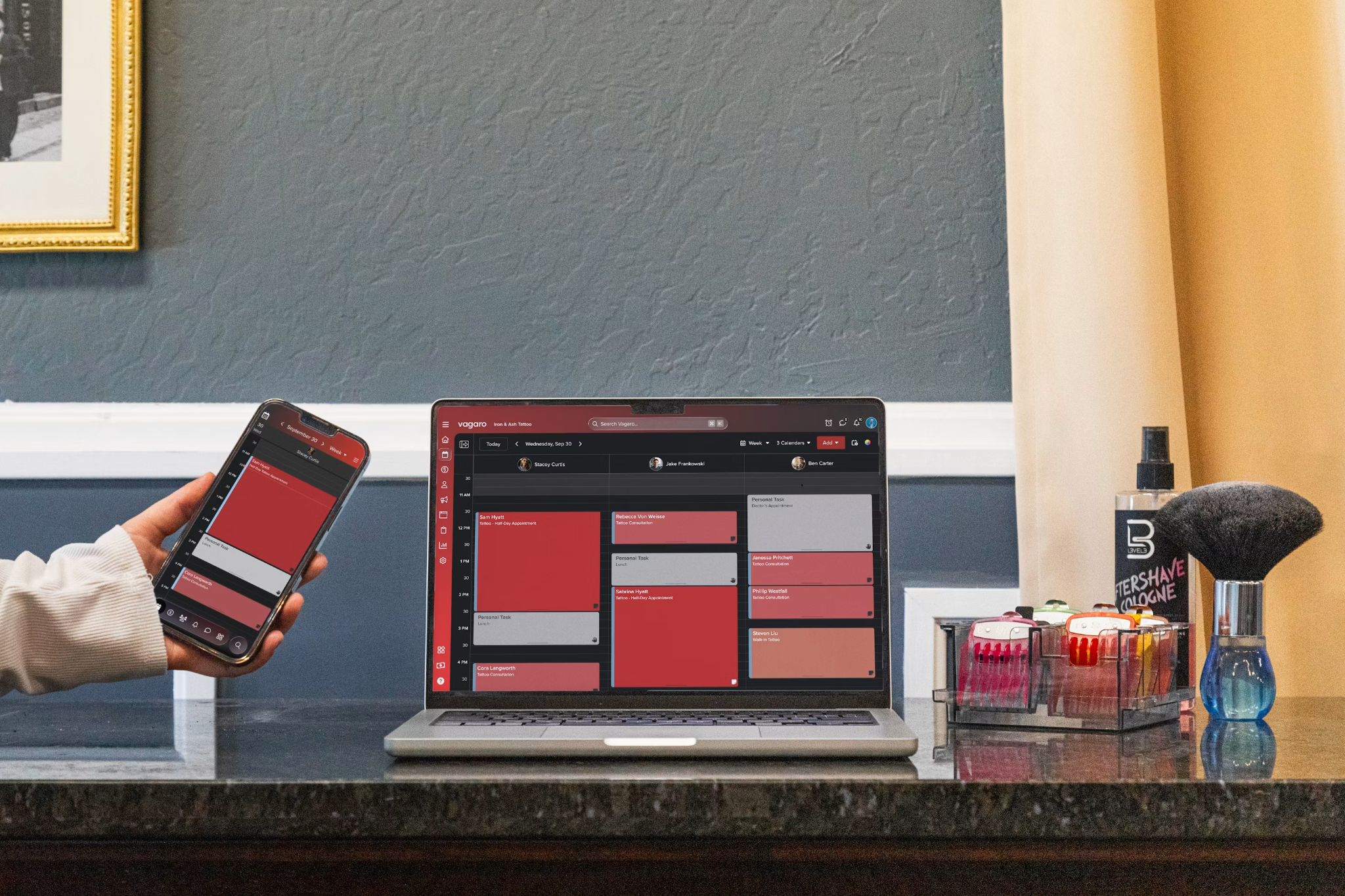
- Administration: Use accounting software to send automatic invoice reminders. Implement a scheduling tool that lets clients book appointments directly on your calendar, cutting out the back-and-forth emails.
- Client Management: Managing customer relationships is essential, but administrative work can quickly become overwhelming. Tracking leads, scheduling follow-ups, and giving each client personalized attention can feel like a full-time job. Generic CRM systems can help, but they often require you to adjust your process to fit rigid workflows. For a smoother workflow, consider custom CRM software that supports your unique sales and client-management process. Custom software can track every lead, schedule follow-ups, and capture important client details automatically. It gives you a complete client overview without requiring constant manual data entry.
The key is to start small. Pick one time-consuming task, find a tool to automate it, and put it into action. The relief of having that one thing off your plate will motivate you to tackle the next.
Strategic Automation Benefits
Automation provides more free time while strengthening your business. It improves consistency by handling routine tasks on schedule. It sends welcome emails, publishes social posts, and delivers quote follow-ups reliably. These dependable systems create a more professional customer experience.
Automation also builds a foundation for growth. Automated marketing, sales, and administrative systems let you serve more customers without increasing your workload. The data they collect also provides valuable insights to improve marketing, services, and sales decisions.
Reclaim Your Mental Space
One of automation’s most meaningful benefits is its positive effect on your mental well-being. Entrepreneurs often carry a heavy “mental load.” This invisible work involves remembering every task that still needs attention. That is why entrepreneurial productivity habits are essential for managing your business with greater clarity and intention. You may worry that you forgot to send an invoice, follow up with a promising lead, or answer an important email. This mental clutter can follow you home, interrupt family dinners, and keep you awake at night.
Automation effectively takes this mental checklist off your plate. When you know a system is in place to handle these routine tasks, you can trust that they’re getting done. This trust allows you to truly disconnect and be present in your own life. The mental energy previously spent remembering and worrying can now be reinvested where it’s needed most. You can dedicate that space to creative problem-solving for your business, developing new ideas, or having deeper, more meaningful interactions with your clients.
Even more importantly, you can reinvest it in yourself. A reduced mental load gives you more capacity to enjoy hobbies, spend quality time with loved ones, and rest without guilt. This form of self-care creates clearer boundaries between your work and personal life. Reliable systems protect those boundaries instead of depending on your limited willpower alone.
Ultimately, using technology to automate parts of your business isn’t about becoming less human. It’s about creating the space and freedom to be more human, both as a business leader and as a person. It’s about building a business that supports your life, not one that consumes it.