Work Smarter, Move Faster: Balancing Secure Collaboration With Personal Freedom
The most effective founders in 2026 aren’t working harder but working with more intention. As the boundary between professional and personal life continues to dissolve, sustainable performance has replaced the all-hours grind as the defining trait of long-term entrepreneurial success. These are the micro-habits driving that shift.

1 – The “Selective Encryption” Strategy
Working from coffee shops, airport lounges, and co-working spaces is standard practice for modern entrepreneurs, but so is the risk that comes with relying on public Wi-Fi. Instead of running a full system-wide VPN that can throttle bandwidth during video calls or cloud syncs, a smarter approach is targeted protection where it matters most. Installing a VPN extension directly in your browser lets you encrypt sensitive activity, like client portals, banking dashboards, and confidential email, while keeping your local connection running at full speed for the collaborative tools that run in the background. It’s a lightweight security layer that removes friction without compromising protection, which means fewer interruptions and a more focused workday.
2 – Practice “Agentic Automation”
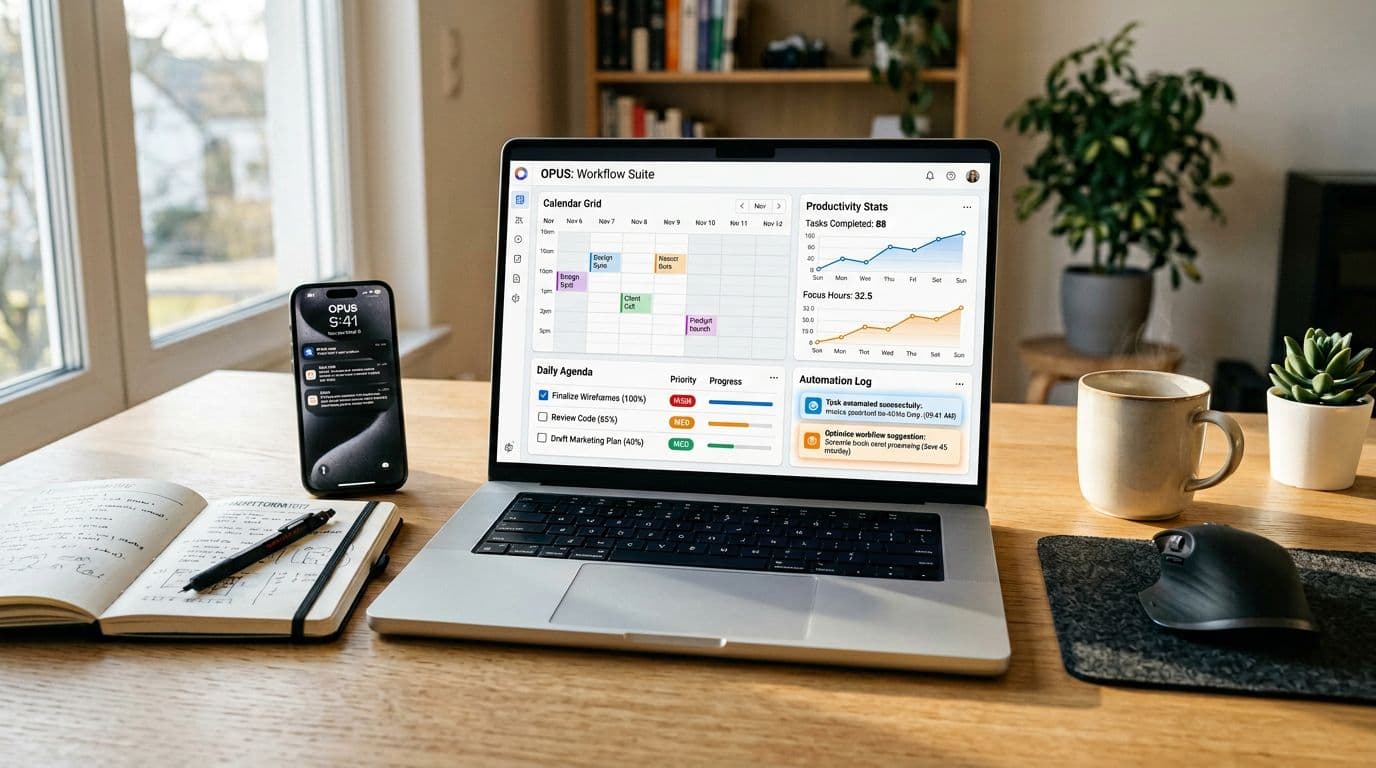
The simple to-do list has been outpaced by the complexity of running a business in 2026. AI agents now handle what used to be called “admin,” the persistent, low-level tasks that erode your morning before the real work even begins. Scheduling conflicts, invoice sorting, follow-up drafts, and project board updates can all be delegated to AI tools integrated with platforms like Notion or Asana. Reclaiming 60 to 90 minutes of daily administrative clutter doesn’t just give you more hours but also gives you back the mental headspace to operate strategically rather than reactively.
3 – Protect Your “Sleep Revenue”
According to research from Stylist, sleep deprivation directly impairs a founder’s ability to evaluate opportunities, manage risk, and make sound decisions, which are the precise skills that determine whether a business thrives or stalls. U.S. employers lose an estimated $2,280 per employee annually to sleep-related productivity losses, and for founders carrying the full cognitive weight of a business, that cost compounds fast. A “down-regulation” routine starting 60 minutes before bed with notifications off, screens switched to warm amber light, and work firmly closed trains your nervous system to decompress rather than stay on high alert. Treat that wind-down window as a non-negotiable appointment. Your decision-making the next morning will reflect it.
4 – Utilize “Walking Meetings”
The sedentary desk lock is one of the quietest productivity killers in entrepreneurship. For any meeting that doesn’t require a shared screen, moving it outdoors while on your phone costs nothing and gains considerable returns. A 2024 review in Discover Psychology confirmed that low-intensity walking reliably boosts divergent thinking and original idea generation, which are the cognitive functions most useful in strategy, problem-solving, and creative brainstorming. The movement increases blood flow to the brain, lowers cortisol, and breaks the mental rigidity that comes from hours in the same seat. Some of the most useful breakthroughs happen mid-stride, not mid-slide deck.

5 – Establish “Digital Sovereignty”
One of the subtler costs of entrepreneurship is the constant sense of availability, the feeling that work is always one notification away. As Makers Mindset explores, setting deliberate boundaries around social connection isn’t a retreat from ambition; it’s what sustains it. Creating non-negotiable off-hours, like phone in another room, notifications silenced, and presence fully given to the people around you, isn’t just rest. It’s recovery. The ability to switch off the entrepreneurial mindset completely is what allows you to return to it the next day with sharpness instead of residual fatigue.
Sustainable performance isn’t built on doing more but on protecting the conditions that make your best work possible. Encrypt what matters, automate the noise, sleep with discipline, move with intention, and guard your time off. That combination does more for long-term business resilience than any extra hour at the desk.