
Keeping the Kids Learning While You Travel for Work
Traveling for work can open up exciting opportunities for families. It doesn’t matter whether it’s a temporary relocation or you’re working overseas for a few months. One concern often stays at the top of the list for parents, and that’s their children’s education. There’s a blanket understanding that too much moving around causes a lot of disruption to kids’ education. But learning doesn’t have to stop just because your location changes. As long as you are planning it carefully and you are flexible, you’ll be able to help your children to continue developing new skills and knowledge while enjoying the unique experiences that travel brings.
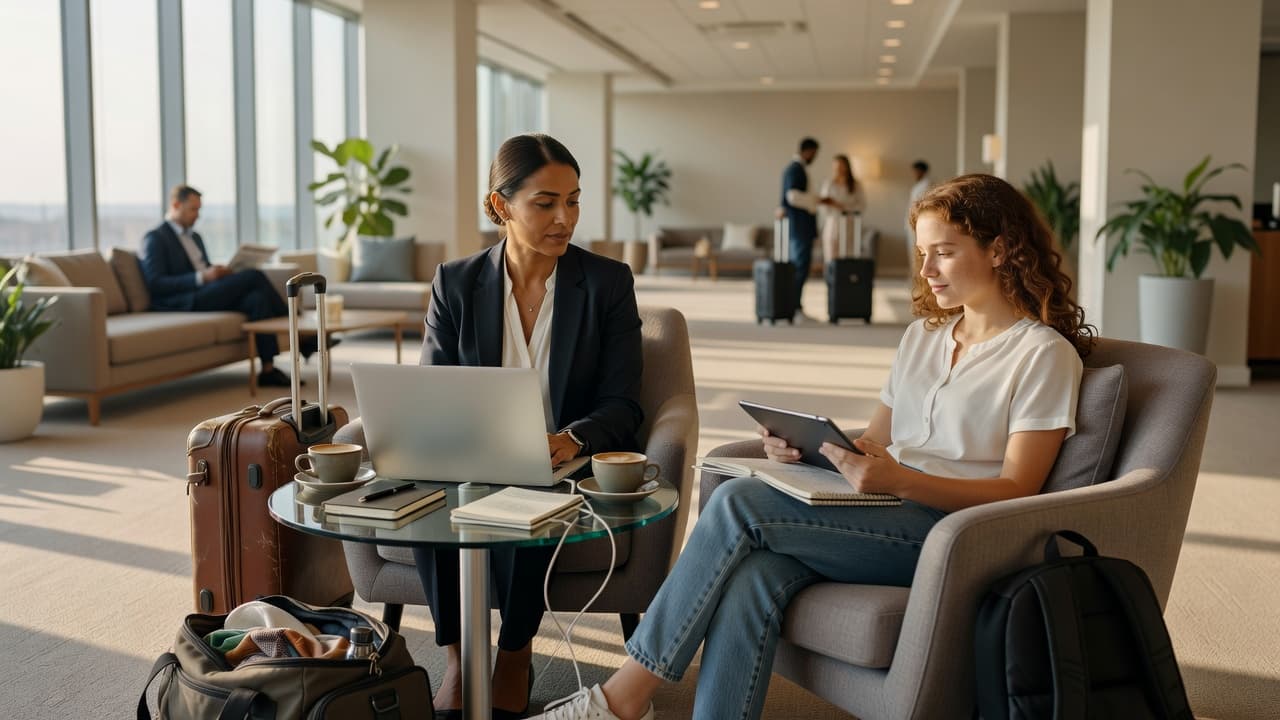
Find the right educational fit.
This one sounds like an easy thing to do, but one of the first things that you have to consider is how your children will continue their formal education. Many travelling families explore options such as home schooling, which is mostly informal online learning, or enrolling in international schools along the way that provide consistent curricula and support for students from around the world. The best choice is always going to depend on the length of your stay, the age of your child, and how much your structure matters to your family. Taking the time to research your options before you travel helps you to make that transition smoother for everybody.
Turn travel itself into the classroom.
One of the greatest benefits of traveling is the opportunity to learn through real world experiences. Between the museums, the historical landmarks, the cultural events, and even the food, there are plenty of valuable educational opportunities available. Instead of simply visiting a destination, encourage your children to ask questions, keep a diary and explore the stories behind what they see. A trip to a castle becomes a history lesson, while a local market can teach everything from economics and geography to cultural awareness. Learning is much more memorable when children can connect lessons to experiences.
Keep up with a simple routine.
While travelling is very exciting, children still benefit from some level of consistency in terms of their schedule for the day. A daily routine helps to maintain learning habits without making the experience feel like traditional schooling. Setting aside time each day for reading, writing, maths practice or educational activities helps children to remain engaged while still leaving plenty of room for exploration and fun. Travelling and working on the go also gives you a chance to give your children a predictable routine and that makes it easier for them to adjust to changing environments.
Be wise about modern technology.
Modern technology allows your children to continue learning from almost anywhere in the world. There are educational apps, virtual classrooms, online tutoring opportunities, and digital libraries that provide support while travelling. Many schools also offer online resources that allow students to remain connected with their coursework and classmates.

Encourage them to be curious.
Travelling will naturally introduce children to new languages, foods, customs and ways of life that they may not be used to. These experiences create opportunities for learning that they may not have at home. Curiosity is one of the most powerful learning tools that a child can develop, and travel provides plenty of opportunity to nurture it.